

On a recent afternoon in Addis Ababa’s Ayat Zone five, Mieraf Mesfin, a twenty-six-year-old customer, found herself confronting a new reality at a vegetable stall. After buying onions, potatoes and tomatoes, she realised she had forgotten to bring a reusable bag. The seller offered alternatives: a woven bag for one hundred birr or a canvas one for seventy. She hesitated briefly, weighed durability against price, and chose the woven bag before walking away with her groceries.
“I know the law has been approved,” she said afterwards. “But it won’t become a habit all at once. We were used to free plastic bags.”
Her moment of hesitation captures Ethiopia’s transition as it enforces one of its most ambitious environmental policies yet: a nationwide ban on single-use plastic bags, effective January 31, 2026. The proclamation prohibits the production, importation, distribution and use of lightweight disposable bags regardless of thickness, moving the country from partial restrictions to a full phase-out. Like many environmental reforms, the measure is reshaping everyday behaviour, creating new markets and exposing gaps in preparation.
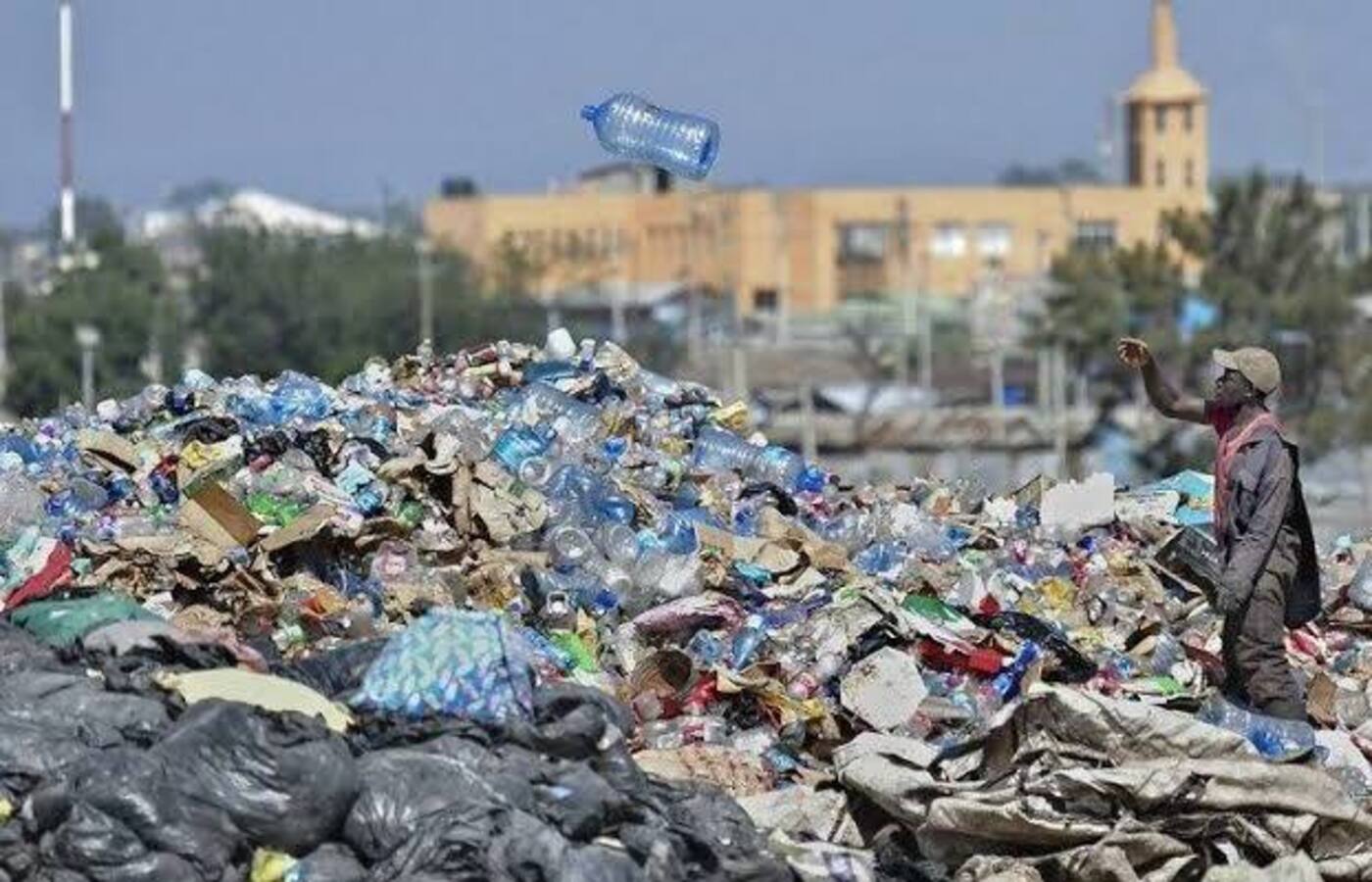
Plastic pollution has long been a visible irritant across Ethiopian cities and rural landscapes. Thin bags drift through fences and trees, clog drainage systems and litter farmland. Earlier attempts to regulate them date back nearly two decades, including a two thousand seven ban on ultra-thin plastic bags. Enforcement proved inconsistent, and manufacturers adapted by producing thicker alternatives.
The latest proclamation marks a more decisive approach, aligning Ethiopia with a growing global movement. Around ninety-one countries now maintain some form of plastic bag ban, while many others impose taxes or restrictions. Africa has emerged as a leader despite limited waste infrastructure; Rwanda and Kenya are often cited as models, though both struggled with enforcement challenges and smuggling.
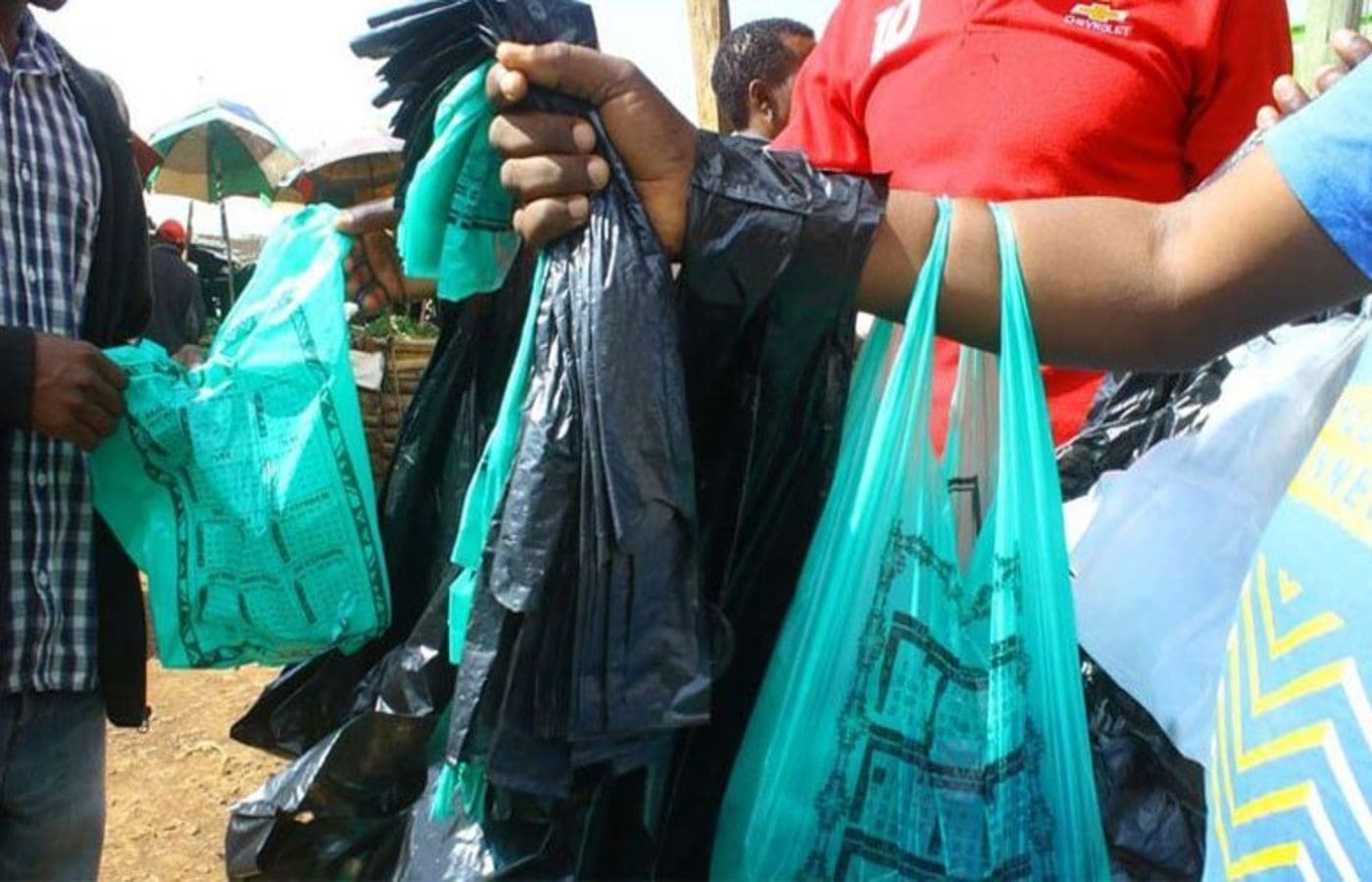
Ethiopian policymakers argue that the environmental cost of inaction has become too high. Plastic bags can persist in the environment for decades, sometimes centuries, fragmenting into microplastics that contaminate soil and water. Yohannes Mekonnen, a lecturer in architecture and urban planning at Addis Ababa University, notes that beyond pollution, some food-grade plastics may release harmful chemicals when in contact with food.
“Continuing to rely on them simply because they are cheap and easy is no longer reasonable,” he says. Still, he adds that the transition might have benefited from a longer preparation phase and clearer guidance for manufacturers.
At street level, the ban is reshaping retail interactions. Shops that once handed out plastic bags for free now stock woven carriers, canvas bags and paper alternatives. Prices vary widely: woven bags often cost around 100 birr, while canvas versions range from 50 to 80 birr. Paper bags produced by small businesses offer cheaper options; at AK Paper, owner Wabi Jemal sells medium duplex paper bags for around 50 birr and smaller craft paper bags for as little as 20.
The shift is creating new opportunities for entrepreneurs. Demand for alternatives has surged, attracting startups, small producers and informal home-based manufacturers. Yet affordability remains a concern for consumers accustomed to free packaging. Even customers who support the environmental goal may resist paying extra, especially in an economy facing inflationary pressures.
Mikiyas Mulugeta (PhD), a consultant of training programmes at the Centre for African Leadership Studies, describes the emerging market as both promising and uncertain. The sudden spike in demand presents short-term opportunities, he argues, but may not sustain all entrants once supply catches up.
“Virtually anyone can start producing handmade alternatives,” he says. “But once the market becomes saturated, many may struggle to survive.”
The ban has also forced adaptation across manufacturing sectors. Plastic bag producers—once numbering in the hundreds—face closures or costly transitions. Environmental advocates broadly support the measure but warn that simultaneous disruption for producers and consumers has created avoidable friction.
Mulat Gemechu of the Oromia Federalist Congress (OFC) calls the decision environmentally sound but economically abrupt. Plastic bag manufacturers, he argues, are legitimate taxpayers and employers who require structured support to pivot toward alternative products.
Government officials say assistance is underway. Hiwot Hayilu, an adviser at the Environment Protection Authority, says authorities are not promoting specific substitute materials, preferring market competition to determine viable alternatives. However, regulators are working with affected businesses, requesting customs duty waivers and encouraging banks to extend loan repayment periods for transitioning firms.
The machinery required for alternative production highlights the scale of adjustment. Yordanos Tamru, who supplies equipment through the Efoyta store, says canvas bag sewing machines cost around 6.2 million birr, making entry into that segment capital-intensive. Paper bag machines, by contrast, can be locally sourced for as little as 35,000 birr, contributing to a rapid expansion of paper-based alternatives.
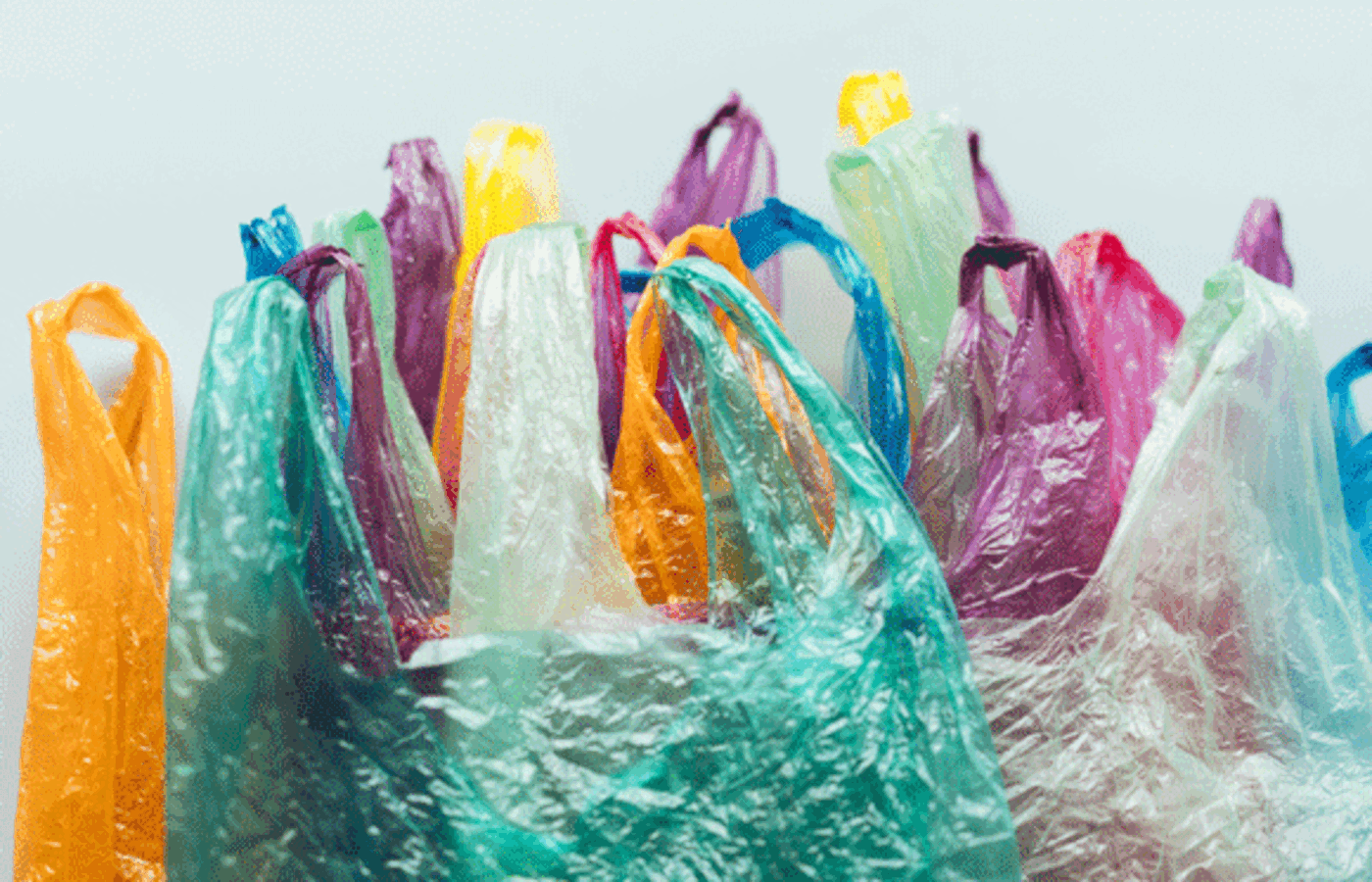
Ethiopia’s experience mirrors global patterns. Plastic bag bans often succeed in reducing consumption—sometimes dramatically—yet depend heavily on preparation, enforcement and public education. Ireland’s levy reduced usage by roughly ninety percent, while Kenya’s stringent ban achieved significant early reductions despite persistent smuggling challenges.
Experts say Ethiopia’s policy timing reflects a broader environmental shift but risks repeating familiar pitfalls. Rapid implementation without adequate alternatives can frustrate consumers and strain businesses, while insufficient enforcement may allow banned items to re-enter the market through informal channels.
Mulugeta suggests that stronger communication campaigns and phased transition plans could have eased adoption. Kenya’s experience, he notes, included early efforts to promote substitutes before strict enforcement began.
Back in Ayat, shopkeepers report near-universal compliance with the ban, even if customers are still adjusting. Some arrive with reusable bags; others reluctantly purchase new ones at checkout. Many complain about prices but acknowledge the environmental rationale.
For Mieraf Mesfin, the woven bag she bought may represent more than a single transaction. It is a small emblem of a larger experiment: a country learning to trade disposable convenience for reusable responsibility, where the weight of habit may prove heavier than any bag.




