

Addis Ababa says it has boosted revenues by 45.8 percent in the first half of the fiscal year through aggressive tax enforcement and digital monitoring, offering an early test of the capital’s ambitious plan to finance a record budget without federal transfers — a strategy praised as bold but criticised as risky amid economic pressures.
The city collected 162.72 billion birr over six months, achieving 92.4 percent of its planned target of 176.03 billion birr. The figure represents a 51.12 billion birr increase compared with the same period last year. Authorities said 95 percent of taxpayers met their obligations on time.
Officials credited the growth to technology-supported monitoring and stricter enforcement measures. Digital operations brought 7,678 previously unregistered businesses into the tax net, while legal action was also taken against tax evaders and 2,261 trucks transporting goods without invoices.
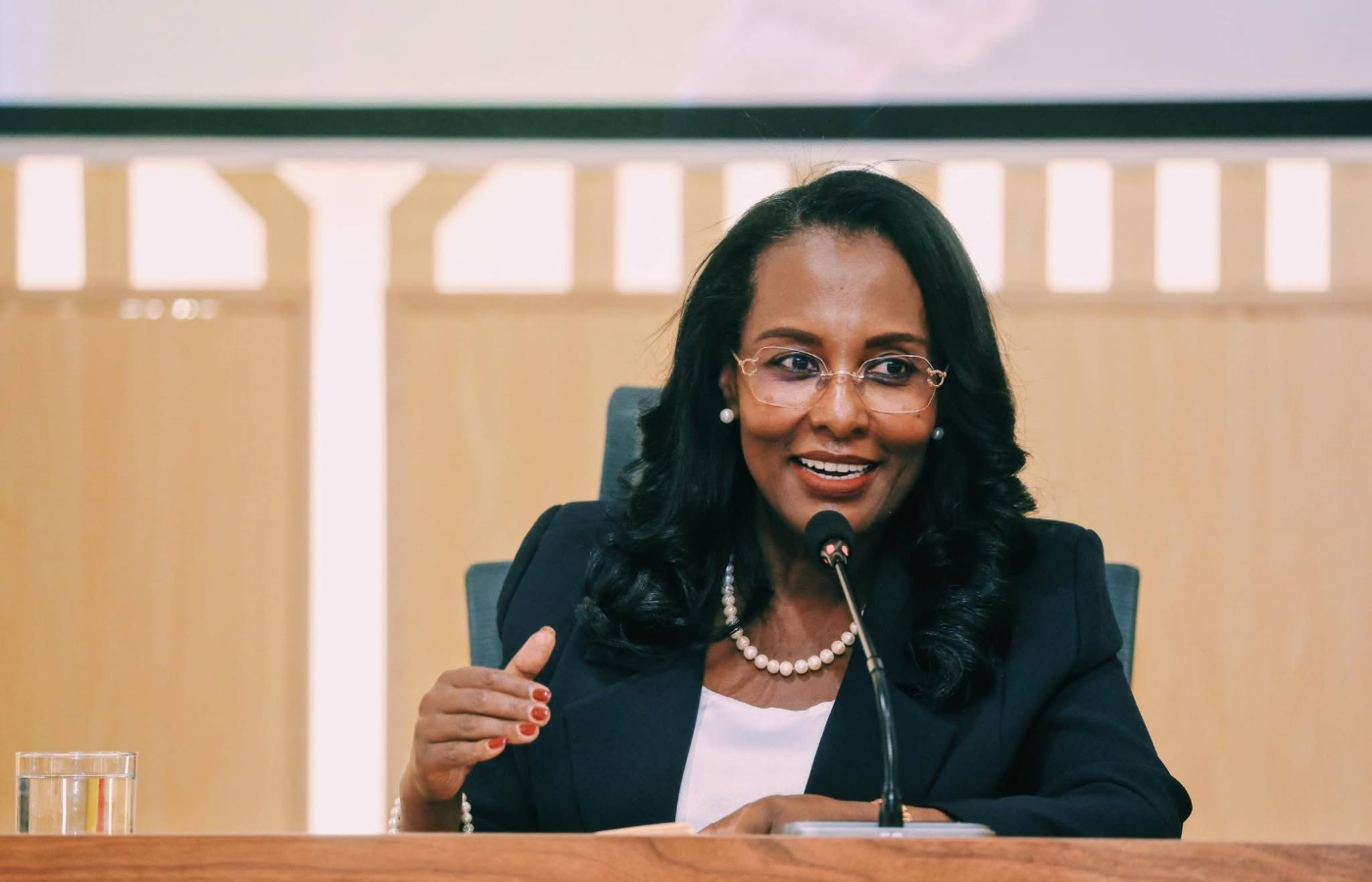
Mayor Adanech Abiebie said the mid-year performance demonstrates the potential of digital tools and enforcement to expand the tax base and improve compliance, a key component of the city’s record 350 billion birr budget for the 2025/26 fiscal year. Approved in July 2025, the budget is the first in Addis Ababa’s history designed to operate without federal transfers.
The budget targets total revenue of 343 billion birr, including 238 billion birr from taxes — a 58 percent increase from the previous year. Municipal authorities plan to channel revenues largely toward capital projects, including infrastructure upgrades, social programmes, and market stabilisation measures, which account for more than 70 percent of total expenditure.
Mid-year figures indicate the city is on track with that strategy. Capital expenditure accounted for 70.14 percent of total spending from a budget of 148.9 billion birr, while 18.72 billion birr was allocated for direct subsidies and 55.7 billion birr for student support programmes covering meals, uniforms, health insurance, and transportation — a 59.7 percent increase compared with the same period last year.
The administration also emphasised internal accountability. Legal action has been taken against 282 employees over corruption and theft, while performance reviews have held 61 senior officials, 126 directors and team leaders, and 3,542 staff accountable for service delivery gaps.
Despite the revenue surge, analysts and some council members have questioned whether aggressive enforcement and high revenue targets are sustainable in the long term, especially amid soft job creation, limited innovation spending, and rising inflation.




