

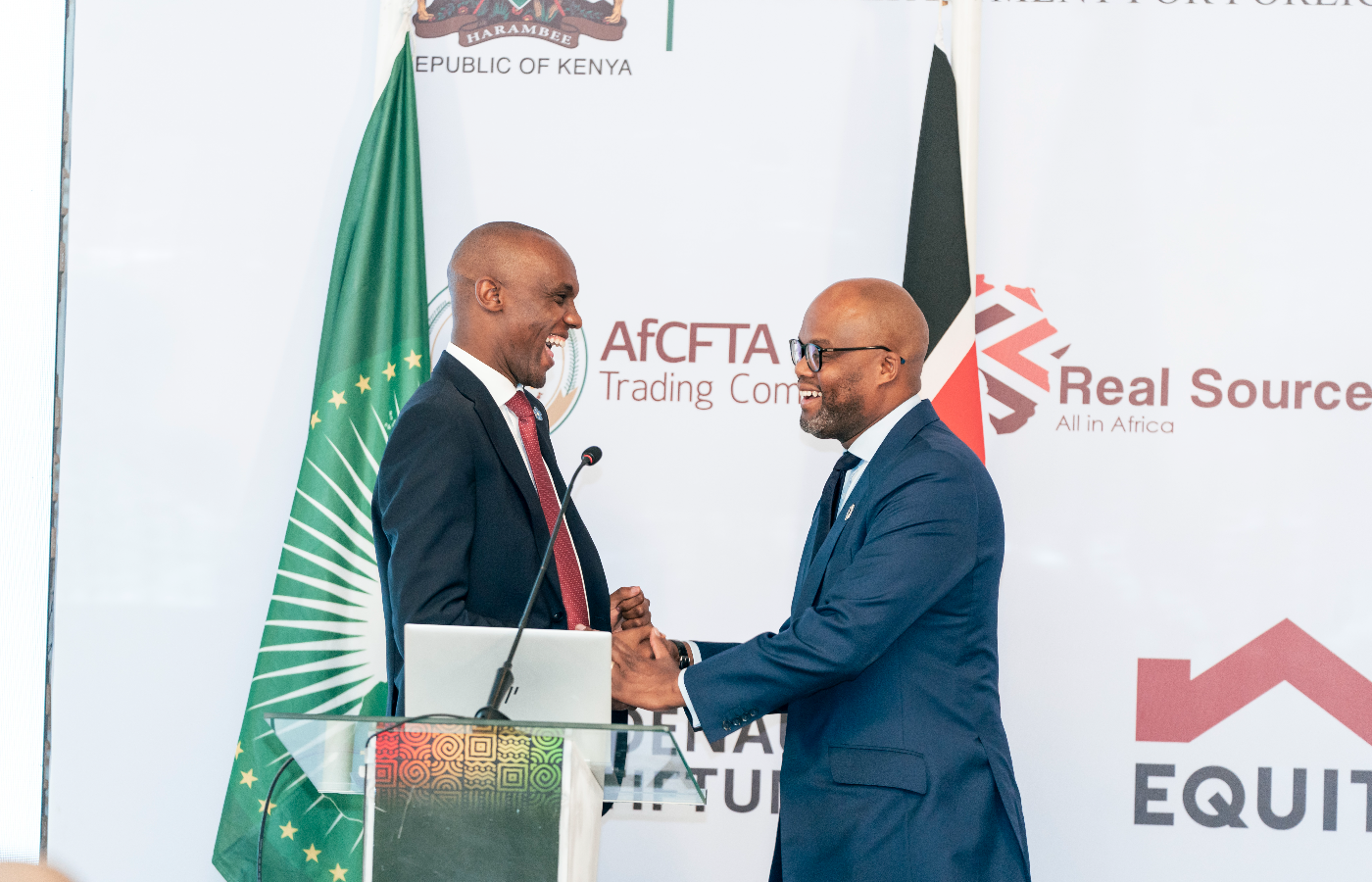
Nairobi-based startup Real Sources Africa has launched two interconnected digital trade platforms aimed at transforming African embassies into deal-making hubs, focusing on facilitating cross-border trade under the African Continental Free Trade Area (AfCFTA), a market of 1.4 billion people with a combined GDP of 3.4 trillion US dollars.
The platforms, BiasharaLink and Deal House, were unveiled on Thursday evening at a high-level reception in Addis Ababa attended by government officials, African Union representatives, ambassadors, multilateral institutions, and private sector leaders. The launch coincides with the 39th AU Summit, where heads of state are emphasising execution-focused measures to unlock the commercial potential of the AfCFTA.
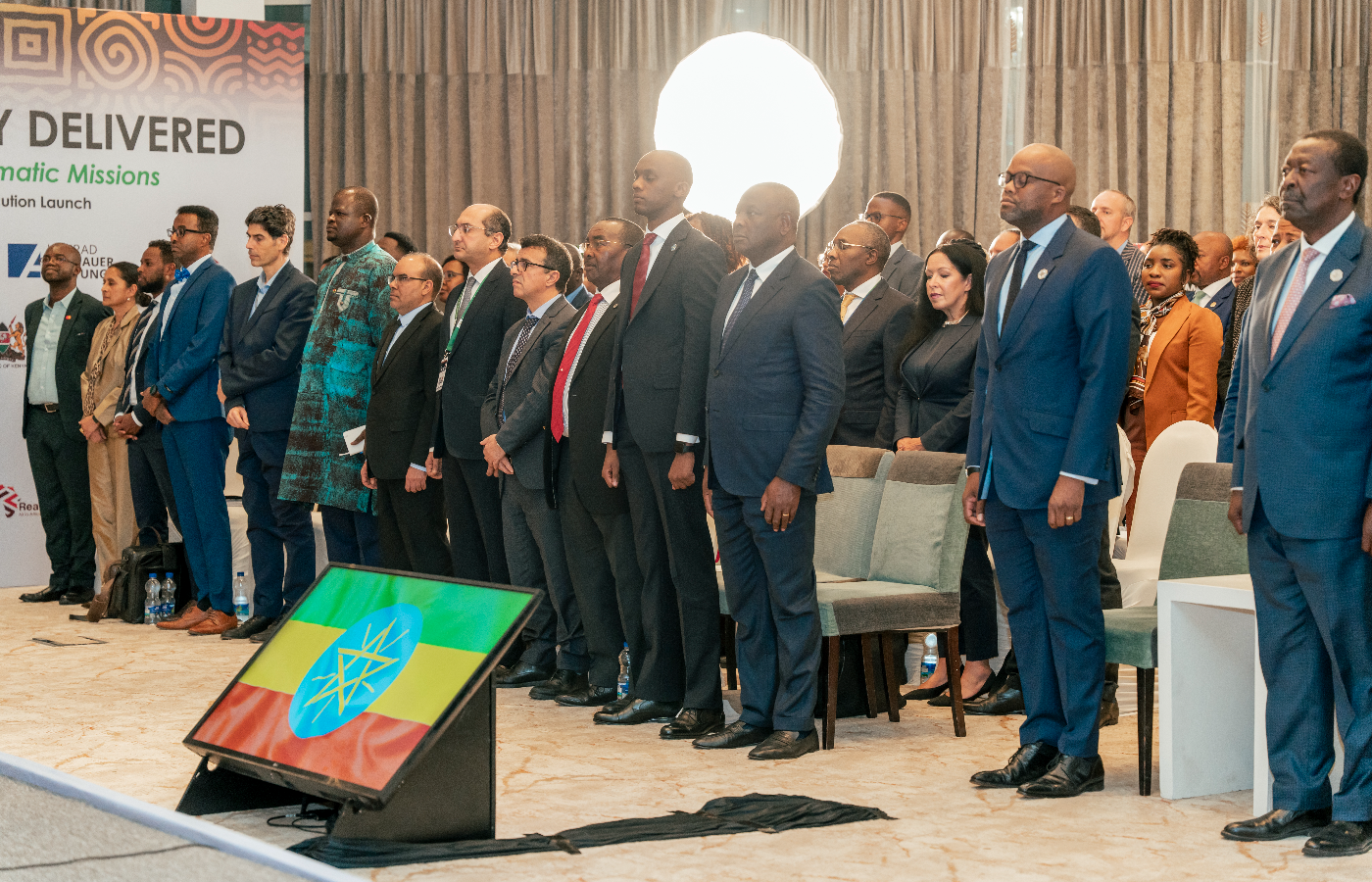
Developed in partnership with Kenya’s Ministry of Foreign and Diaspora Affairs and the Konrad-Adenauer-Stiftung, and supported by Equity Bank for trade financing, the platforms aim to close Africa’s persistent trade execution gap. BiasharaLink allows embassies, exporters and investors to capture, structure and track trade opportunities aligned with AfCFTA priorities. Deal House acts as the execution layer, validating deals, connecting them to financing and progressing them toward contract completion.
Real Sources Africa is now in discussions with Bunna Bank and Awash Bank to expand trade financing, remittance conversion and transaction facilitation for local exporters. Felix Chege, founder and chief executive of Real Sources Africa, told Birrmetrics that integrating the platform with existing banking systems would streamline payments and simplify cross-border trade for clients already active in the market. He declined to disclose the capital required to develop the platform.
The technology has been piloted for six months and generated more than 4,000 trade inquiries, including around 1,000 from Ethiopia, predominantly from coffee exporters. Chege highlighted that while African embassies collect roughly 3,500 trade inquiries monthly, fewer than one per cent result in closed deals. “Our goal is to build the infrastructure and ecosystems that can drive trade, investment and financing to move this continent forward,” he said.
The AfCFTA includes a protocol that provides a framework to reduce intra-African barriers to digital trade, promote regulatory alignment, and enable interoperable payments across the continent. It facilitates the movement of data within the economy and includes provisions aimed at supporting small and medium-sized enterprises, young entrepreneurs, informal traders, and smallholder farmers.
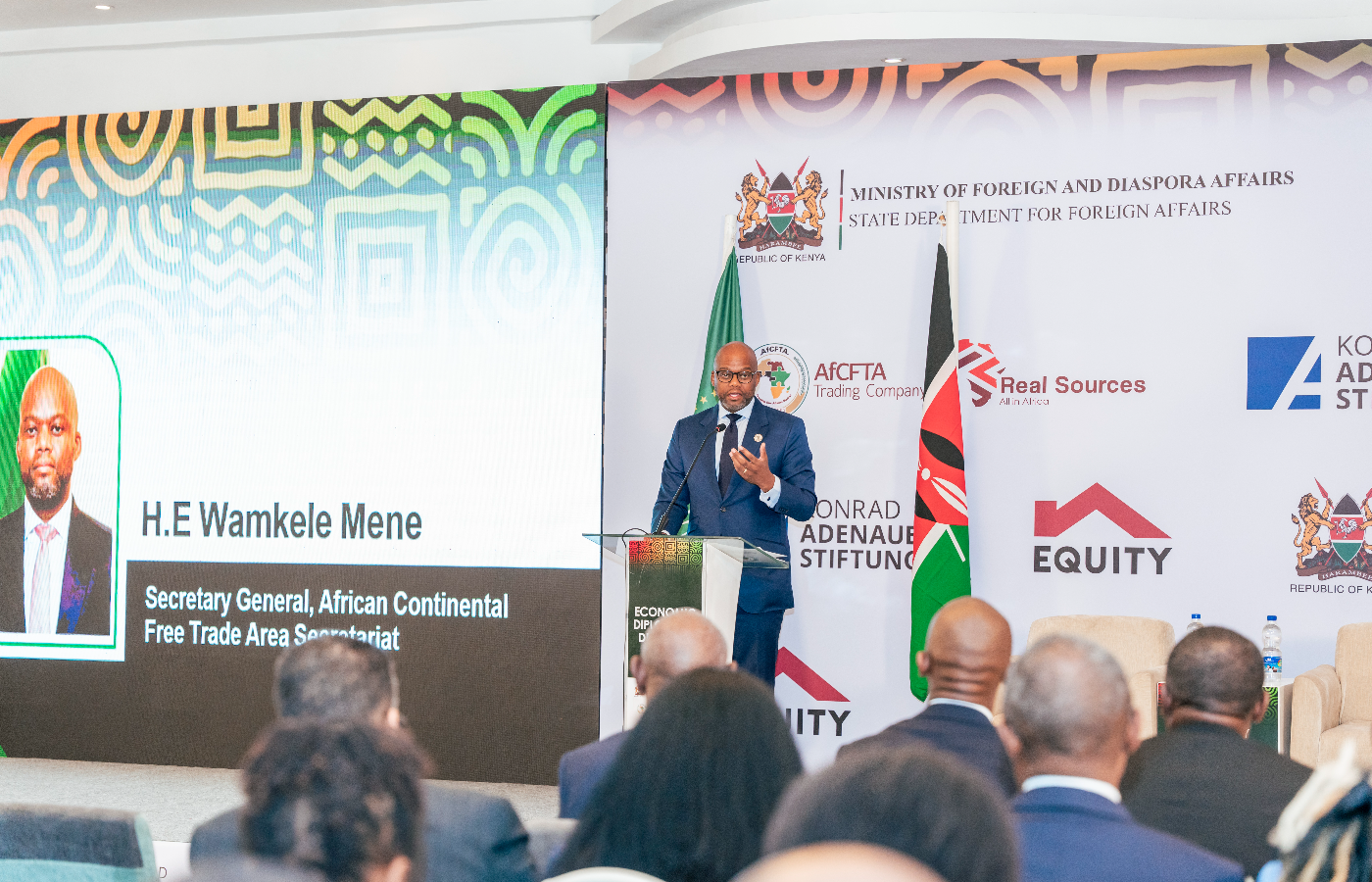
Wamkele Mene, secretary-general of the AfCFTA Secretariat, said that while global supply chains face growing disruptions alongside rising trade and industrial protectionism, Africa is pursuing a different path. “We have no alternative but to succeed; we have to build a very strong domestic market,” he said. He noted persistent challenges across the continent, including fragmented regulations, visa requirements, and infrastructure costs estimated at 150 billion US dollars annually, as well as high transport and logistics expenses. “We have within our reach the tools and instruments to tackle these challenges,” he told participants.
James Mwangi, chief executive of Equity Group Holdings, said the initiative establishes a “trade superhighway” that turns embassy inquiries into bankable, trackable deals. His bank will provide trade finance facilities. “In the past, it was very difficult for banks to finance trade because demand and supply were not connected. This platform links buyers and sellers,” he said.
Musalia Mudavadi, Kenya’s Prime Cabinet Secretary and Cabinet Secretary for Foreign and Diaspora Affairs, described the initiative as a results-driven model of economic diplomacy. “It provides a common platform for capturing and organising opportunity. It connects opportunity to execution. Together, the platforms turn diplomacy into delivery,” he said.




