

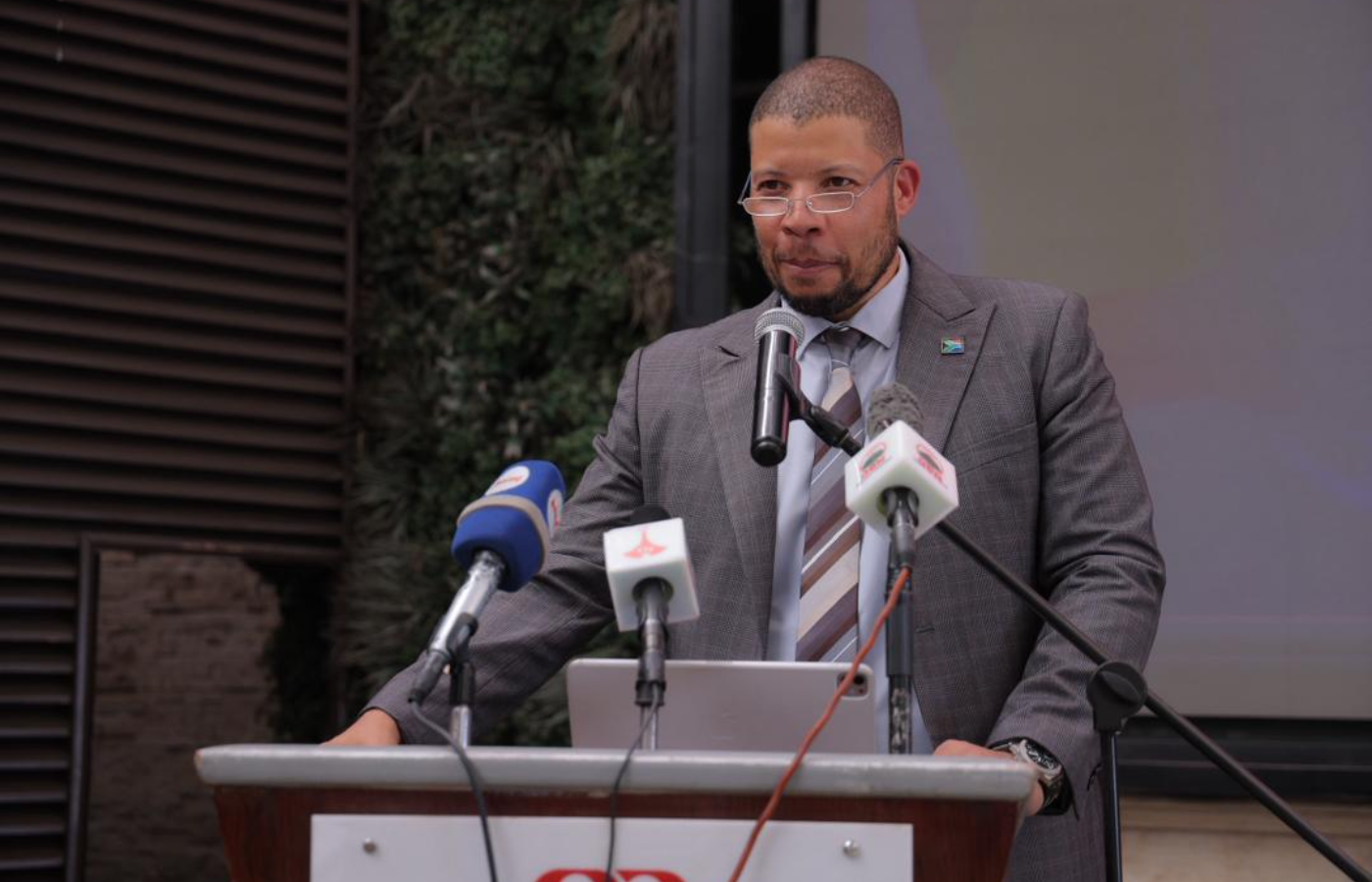
South Africa dismissed allegations of genocide during a business breakfast organised by Brand South Africa on the sidelines of the 39th African Union summit in Addis Ababa on Friday, describing the claims as baseless and politically motivated.
The Business Roundtable, held in partnership with the African Union Commission and Nedbank, focused on trade, investment and infrastructure development in support of the African Continental Free Trade Area.
Speaking to participants, the company’s chief executive officer, Neville Matjie, said the narrative amounted to “name blaming” driven by critics unsettled by the country’s economic progress. He stated that there is no legal or factual basis for genocide claims and maintained that such assertions distort the country’s domestic realities.
“Like many other countries, we face challenges related to crime, but that does not constitute genocide,” he told participants. “The term has been repeatedly used to spread misinformation and to emphasise certain political agendas. It is important to rely on verified data and credible sources when discussing sensitive issues such as this.”
The remarks came as Pretoria used the Addis Ababa platform to promote priority investment areas, including renewable energy, automotive manufacturing, mining, agro-processing and digital industries. Officials positioned South Africa as a diversified and industrialised economy seeking deeper trade and capital links across the continent.
They said the country remained committed to expanding intra-African trade and attracting long-term investment into productive sectors. The forum, they noted, was part of a broader effort to strengthen economic partnerships during the AU summit.
Allegations of genocide in South Africa have circulated in some international political discussions, often linked to violent crime affecting farming communities. Some politicians and public figures, most notably United States President Donald Trump and tech entrepreneur Elon Musk, have repeatedly claimed that there is a “white genocide” taking place in South Africa. They argue that white farmers are being targeted for murder and that the South African government’s policies, including land reform, are contributing to their marginalisation or expulsion.
These narratives have included assertions that farm attacks are racially motivated and that farm murders constitute a systematic campaign to destroy a group based on ethnicity. Some of these claims have been amplified through social media and political speeches abroad.
Authorities have repeatedly rejected that characterisation, stating that criminal activity forms part of broader security challenges and does not constitute genocide under international law. A South African court described claims of “white genocide” as “clearly imagined,” and authorities including President Cyril Ramaphosa have publicly rejected the narrative as false and divisive.




