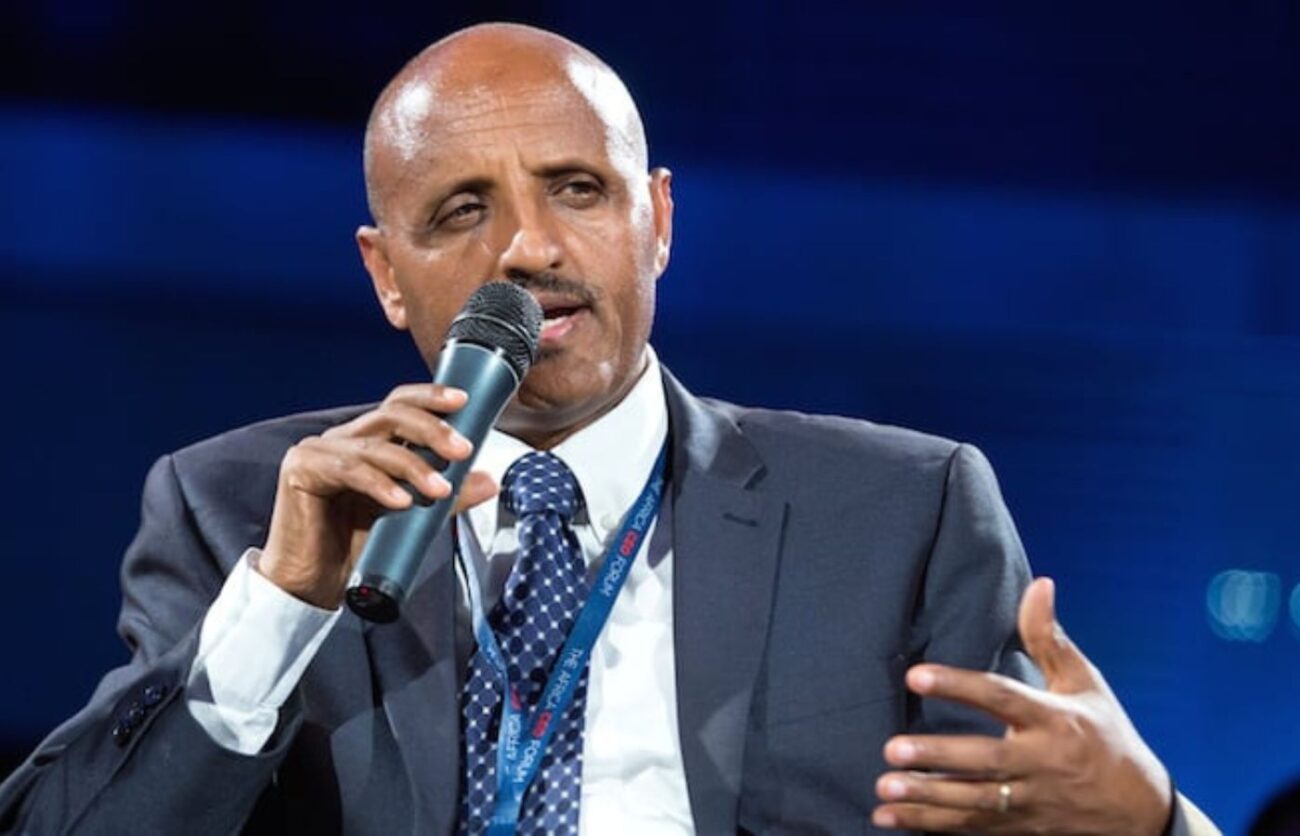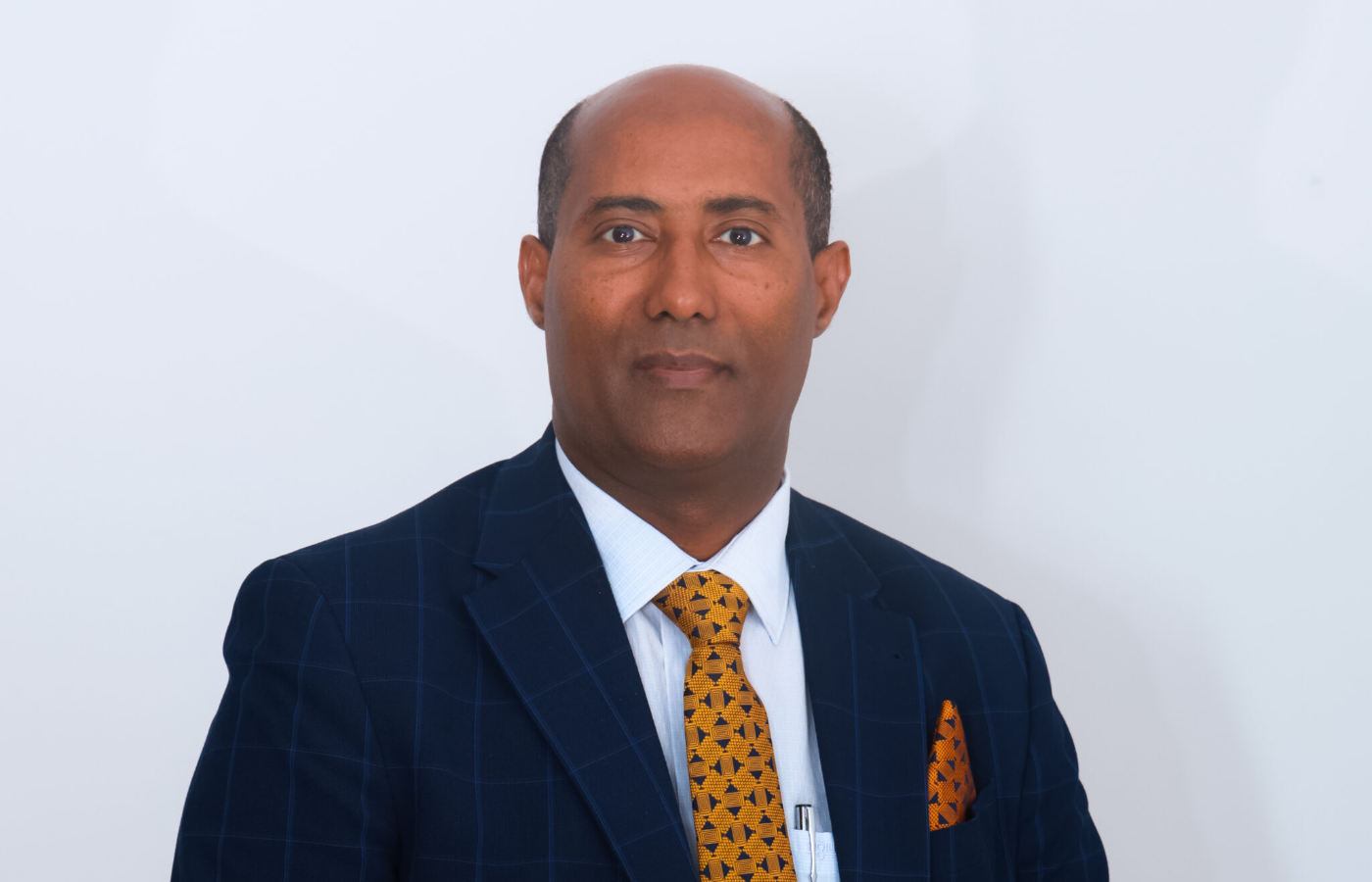
Girum Tsegaye Kassa, the newly appointed CEO of Goh Betoch Bank, is steering Ethiopia’s first private mortgage specialist through a challenging financial landscape. With nearly three decades of experience in the country’s banking and finance sector, he has held senior leadership roles at Berhan Bank, Hibret Bank, and the Commercial Bank of Ethiopia, and served as founding CEO of Ethio Lease, the first foreign-owned equipment finance company in Ethiopia. He holds an MBA and a BA in Business Management from Addis Ababa University and has completed extensive technical and management development trainings. His appointment as CEO of Goh Betoch Bank was approved by the National Bank of Ethiopia on February 1, 2024.
In an exclusive conversation with Mignot Tariku of Birrmetrics, Girum discussed the hurdles facing long-term lending in Ethiopia, including limited long-term funding, National Bank lending caps, and the focus of insurance companies on short-term deposits. He explained how Goh Betoch is responding by expanding its branch network, prioritising short-term and commercial loans, and gradually preparing to resume mortgage lending. He also highlighted the importance of housing funds, policy support, and regional partnerships to ensure sustainable access to mortgages for low- and middle-income Ethiopians.
Birrmetrics: At the Ethiopian Finance Forum earlier this year, you described mortgage banking as a 'marathon with sprint water.' What specific liquidity or regulatory hurdles make long-term lending unfeasible for Goh Betoch today, and how have they evolved since your appointment?
Girum Tsegaye: Long-term lending is difficult in the Ethiopian context because there is a lack of long-term funding. When mortgage banking first started, there were sources of long-term funding: Ethiopian insurance companies held pension fund premiums in full, and institutions like the World Bank provided IDA long-term concessional loans for housing. Today, these sources no longer exist. The government pension fund has nothing left, and insurance companies prioritise time deposits for higher returns. Accessing funds from abroad is also challenging. Even if funds were available, the National Bank of Ethiopia caps long-term loans at 20 percent.
It is important to note that we are a commercial bank, as per our licence. While our name, 'Betoch,' reflects our founders’ ambition to solve housing challenges and become profitable, mechanising long-term lending is currently not feasible. Short-term loans, however, can be accommodated.
Over the next five years, we aim to expand our branch network. When I was first appointed, we had nine branches; we now have 20 and may expand to 30–40 by year-end. More branches mean more retail deposits, which supports our focus on commercial and short-term loans while pausing long-term lending. Critics argue that technology could replace branches, but we believe branches remain crucial for generating retail deposits.
Goh Betoch was Ethiopia's first private mortgage specialist—launched amid high housing demand. What internal metrics (e.g., default rates, funding costs) have highlighted the limits of this model, and when did the board first discuss diversification?
We are a mortgage-focused commercial bank, and demand for mortgage loans is high. A large number of people register, and default rates are minimal because individuals pay for their homes at low interest rates. Compared to agricultural loans, our non-performing loans are very low.
The board has not fundamentally changed our mortgage model but has shifted focus toward commercial activities. For example, we provide foreign exchange for importers through NBE auctions, like other commercial banks, strengthening our capacity and focusing on short-term lending.
Reports suggest a shift toward conventional banking operations. Can you walk us through the timeline and rationale—e.g., how will commercial products like corporate loans or expanded deposits support (or replace) core mortgage offerings?
Almost a year into my appointment, we have been giving short-term loans and remain focused on repayable loans. This is not fundamentally different from what Goh Betoch has been doing since a year ago; we are simply adapting to current financial realities.
Your August 2024 tie-up with GT-Finance and May 2025 housing bonds announcement show proactive steps. How effective have these been in addressing unfeasibilities, and what role do you see for tools like an Ethiopian MRC in enabling a return to specialized focus?
Typically, establishing a housing fund is challenging, but it is necessary given the high demand. A fund could provide long-term financing, as I mentioned at the Ethiopian Finance Forum. However, under current conditions, the feasibility of forming such a fund and ensuring it has adequate capital is very remote. That is why we are currently focusing on commercial loans.
For middle- and low-income Ethiopians—your target demographic—does this pivot risk slowing housing access, or does it ultimately make mortgages more sustainable? What policy changes from the National Bank would accelerate viable long-term finance?
Our focus remains on low- and middle-income individuals, but the key problem is funding. I suggest that NBE should establish a housing fund by allocating 2% of the 18% pension fund savings to it. There is huge demand for housing, and NBE could effectively manage the fund.
For comparison, Shelter Afrique—a Kenyan-based share company backed by the African Development Bank—is active in 34–35 African countries and funds housing projects. Ethiopia is not a member state, which has limited our engagement. I propose that the Ministry of Finance acquire shares in Shelter Afrique, as other member states have, to facilitate future mortgage financing. The government should give mortgage banking the same attention as other African banks, especially as our Prime Minister prioritises mega housing projects.
With your background at Berhan Bank, what surprised you most about leading a mortgage pioneer in Ethiopia's economy? Looking to 2030, what does success look like for Goh Betoch in a more conventional guise?
The main surprise was the mismatch between assumptions and reality. The model assumed long-term funding would arrive, but long-term loans were already being issued before funds materialized. No other bank grants loans larger than their deposits, especially long-term loans at 70% of total lending. Even NBE caps long-term loans at 20%, and other banks might reach 30–40% under strain.
Realising this early was beneficial. Initially, our bank faced typical growing pains, but we have refocused on commercial banking. By 2030, we aim for a capital base of 5 billion birr and deposits between 10–15 billion birr. Achieving this will be considered a success, after which we will expand our mortgage lending operations.
For aspiring homeowners tuning in, what's one immediate step they can take to prepare for financing in this transitioning landscape?
Homeowners should not expect large sums immediately. They can start by opening accounts and saving progressively. Potential loans should be moderate—around 5–10 million birr—allowing them to acquire a home within a year, which generally requires saving for one to three years.