

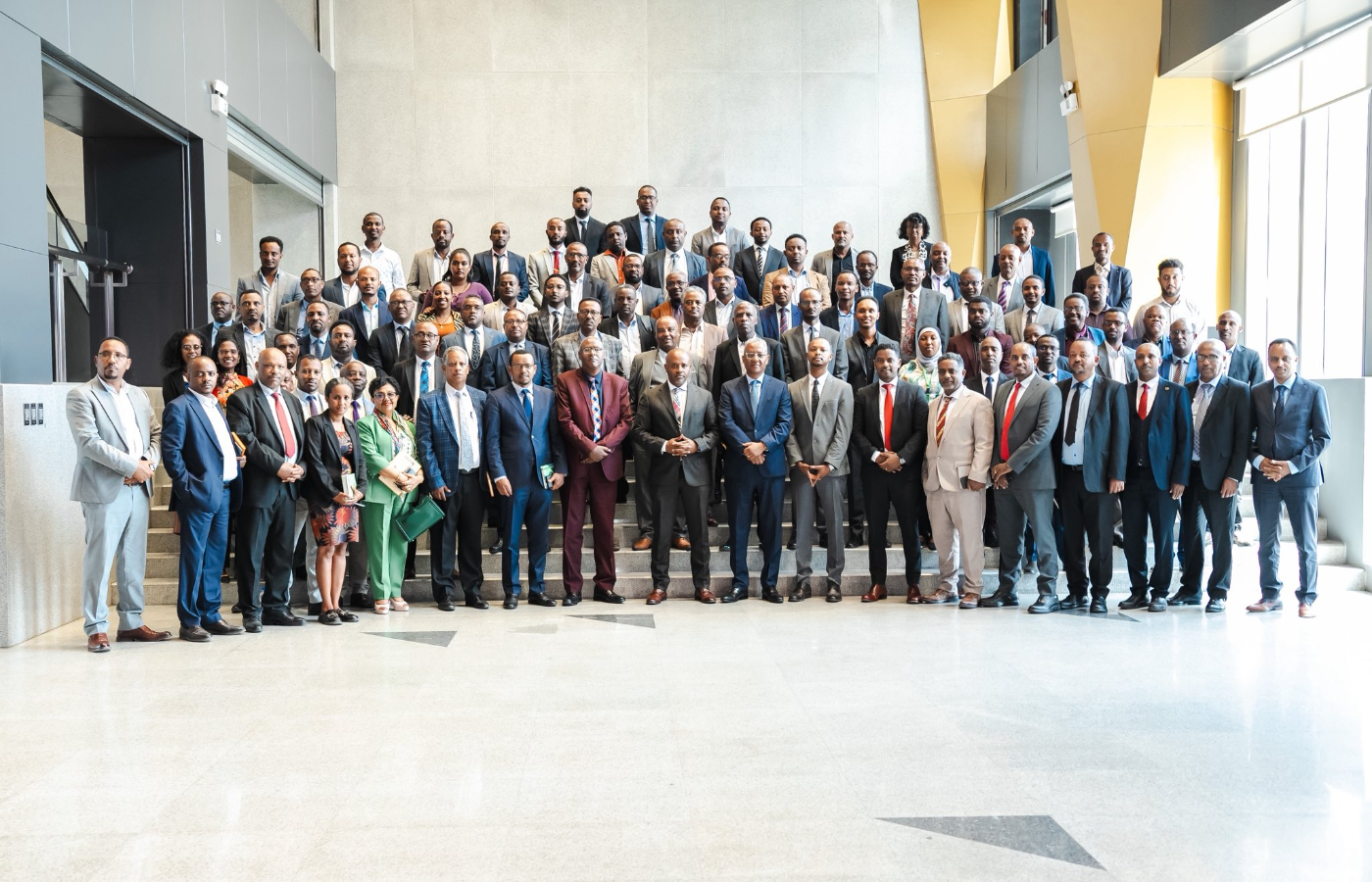
In many parts of the world, women in finance are no longer an anomaly. Regulators in Nairobi, bankers in Lagos, and fintech chiefs from Accra to Johannesburg are increasingly female. Ethiopia, too, has made visible gains: women run banks, insurance companies and government agencies once considered untouchable for anyone outside the old boys’ club.
But the view from the very top of the country’s financial system still reveals a conspicuous imbalance. The puzzle is not the supply of talent—Ethiopia is not short of capable, trained women—but the structural and cultural architecture that decides who climbs and who stays stuck on the middle rungs.
Zufan Abebe Alemu, the long-serving chief executive of Nib Insurance, has spent years watching this contradiction unfold from boardrooms and branch networks alike. Her company employs 450 people; nearly 60 percent of them are women. Many excel.
They tend to be, she says, “reliable, detail-oriented, and principled”—qualities prized by a business built on discipline and trust. At branch level, women have been steadily climbing. Middle management, too, is increasingly female. But the numbers collapse abruptly at executive level. The barrier, Zufan argues, is not capability but the way Ethiopian society allocates responsibility.
“Women’s lives shift sharply after marriage and children,” she says. “This period coincides with the time a career becomes demanding. Many women prioritise family—understandably—but in doing so lose momentum.”
The pattern is familiar across sectors, but especially acute in finance, where competition is brisk and working hours elastic. Ethiopia’s banks and insurers, often understaffed and overstretched, reward those who stay late, attend endless meetings and travel frequently—expectations that sit awkwardly with the heavy domestic burden most Ethiopian women shoulder.
Zufan does not believe the solution lies in more motivational speeches. What women need, she argues, is institutional scaffolding: genuine mentorship networks, affordable childcare, flexible hours and parental leave that recognises a child requires more than four months of a mother's time. “Support systems matter. So does continuous learning, even during maternity leave. The talent is there; what’s missing is the structure.”
Evidence from outside Addis backs her point. Studies in Eastern and Western Hararghe zones show women-led micro and small enterprises outperforming their male-run counterparts in profitability and credit discipline. Yet the same women are largely absent from senior roles in formal finance. Dr Molla Alemayehu of the Ethiopian Economics Association says this is no mystery: it is the legacy of a long period in which women’s access to higher education, leadership opportunities and professional encouragement lagged behind.
For some, the gender gap becomes visible only with time. Early in her career, Yodit Kassa of the Ethiopian Securities Exchange found little to slow her down. Single, mobile and ambitious, she climbed quickly. Motherhood changed the calculus. “I don’t want to spend evenings at events anymore,” she says. “Success requires priorities and a support system—a flexible workplace and a partner who genuinely shares responsibilities.”
The struggle, she argues, is partly internal: women often feel compelled to excel at work and at home simultaneously, a form of self-pressure that slows careers even before institutions do.
Banking, with its intense competition and rapid evolution, magnifies this tension. Women perform strongly at entry level. They remain well represented in mid-management. But as leadership nears, the ladder narrows. The steepest rung remains maternity.
Melika Bedri, CEO of ZamZam Bank, has spent years observing promising careers lose altitude at exactly this point. Reintegration after maternity leave—rarely structured, often improvised—derails promotions and erodes confidence. “Transitioning into and out of maternity leave needs planning. Flexible schedules, reintegration programmes and childcare support would make a real difference.”
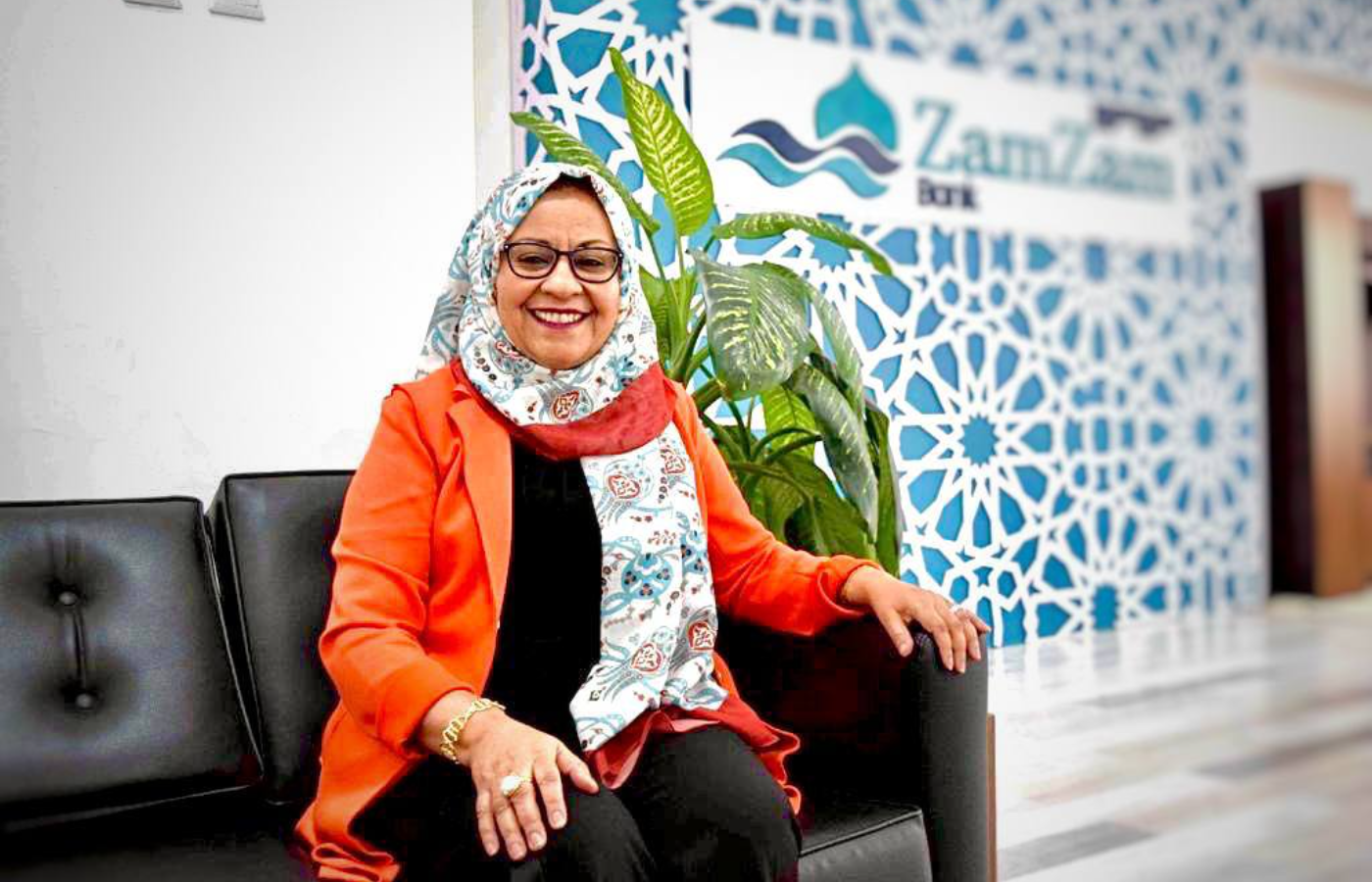
She chairs NewFin, a network of senior women in finance formed under the central bank. The group intends to design policies that reduce these barriers. But progress in Ethiopia’s financial sector, she concedes, has been sluggish compared with peers abroad.
Part of the problem lies deep within the cultural economy of care. “Our society still treats leadership in finance as a male pursuit,” says Melesse Araya of the International Growth Centre. Women, meanwhile, perform almost all unpaid household labour. Fathers’ involvement remains limited, not least because Ethiopia’s leave system gives them virtually no time at home. Mothers receive 120 days of maternity leave; fathers get little more than an afternoon.
Contrast that with Scandinavia, where parental leave is measured in months for each parent and cannot be transferred. Some European countries offer a full year of shared paid leave. Ethiopian women, by comparison, often exit the labour force entirely after childbirth. Those who return do so years later, entering a labour market that has moved on without them. Studies suggest it takes six to ten years for returning mothers to regain pre-leave career momentum—if they return at all.
The financial sector is ill-equipped to absorb these disruptions. Flexible hours remain rare. On-site childcare is almost non-existent. Performance evaluations rarely factor in maternity. And return-to-work programmes—standard in London, Nairobi or Johannesburg—are still novel.
The economic cost of this imbalance is not trivial. Ethiopia is attempting to modernise its financial architecture—launching a securities exchange, liberalising payments, integrating digital finance and expanding insurance markets. These reforms require analytical skill, prudence, long-term thinking and the ability to balance risk with social priorities. Excluding half the country’s talent pool makes the system less resilient. It also slows innovation: global evidence shows financial firms with more women in leadership take more measured risks, suffer fewer governance failures and outperform peers over time.
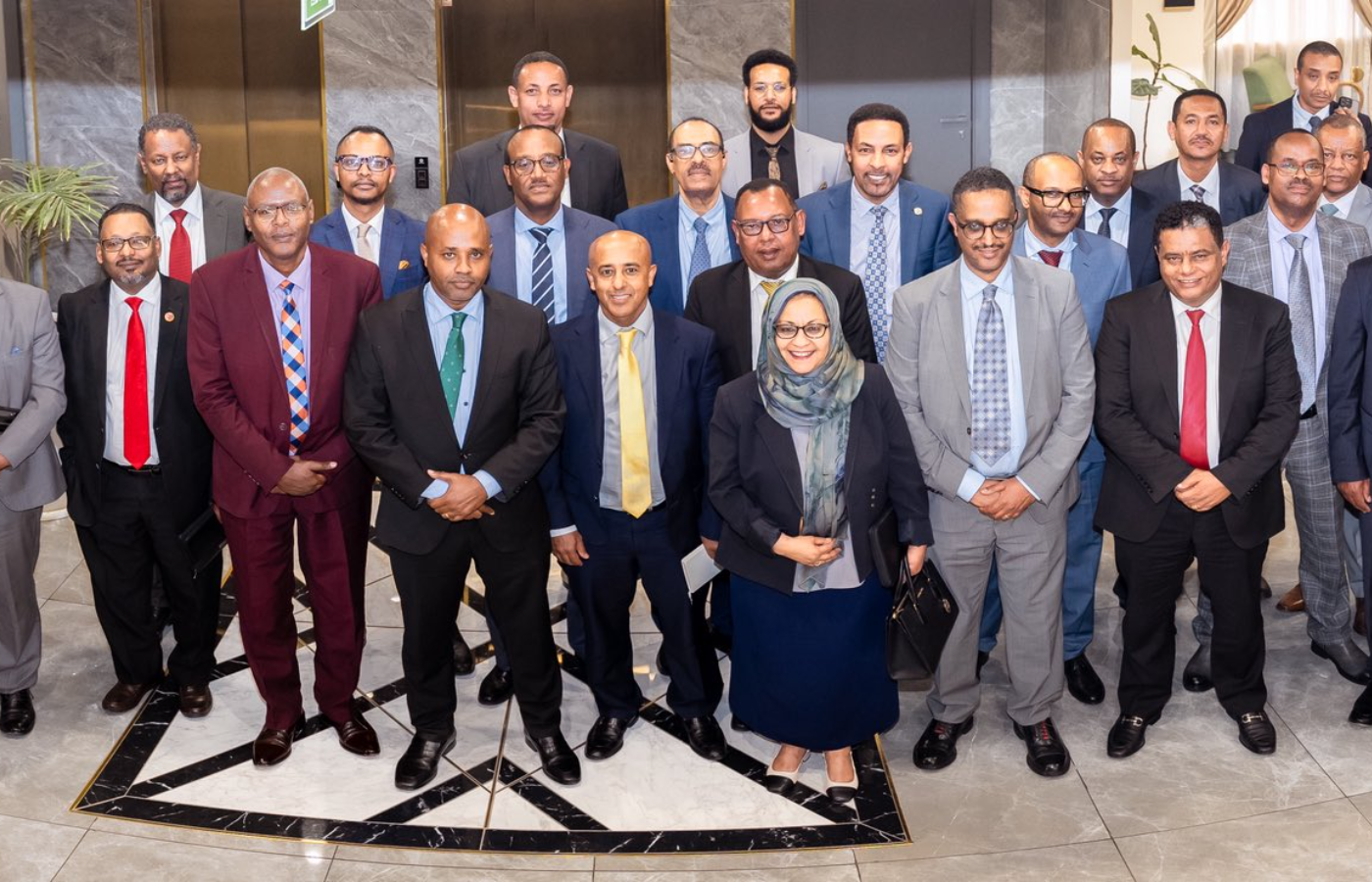
There is also the matter of optics. Ethiopia aspires to become a regional financial hub. Hubs, by definition, showcase talent, diversity and managerial depth. A leadership class that is overwhelmingly male sends the opposite signal.
Progress requires shifting both culture and policy. That means expanding paternity leave; encouraging fathers—rather than only mothers—to take time off. It means making childcare part of the cost of doing business for large financial institutions. Regulators could require firms to publish gender ratios at each management level, track retention of women post-maternity, and design measurable promotion targets.
Education matters, too. Girls’ access to STEM fields remains thin. And leadership training for young women often begins too late—after career paths have already diverged.
Most of all, the sector needs to recognise that ambition is not the obstacle. The system is. The skilled women are already present—in banks, insurance companies, microfinance institutions, fintech start-ups and regulatory agencies. Their rise is hindered not by lack of competence but by rigid institutions built for a bygone workforce.
Until Ethiopia confronts that reality, its financial system will continue to appear modern on the surface while reproducing old hierarchies underneath. And in an industry that depends on foresight and risk management, sidelining women is not merely unfair. It is economically irrational.




