

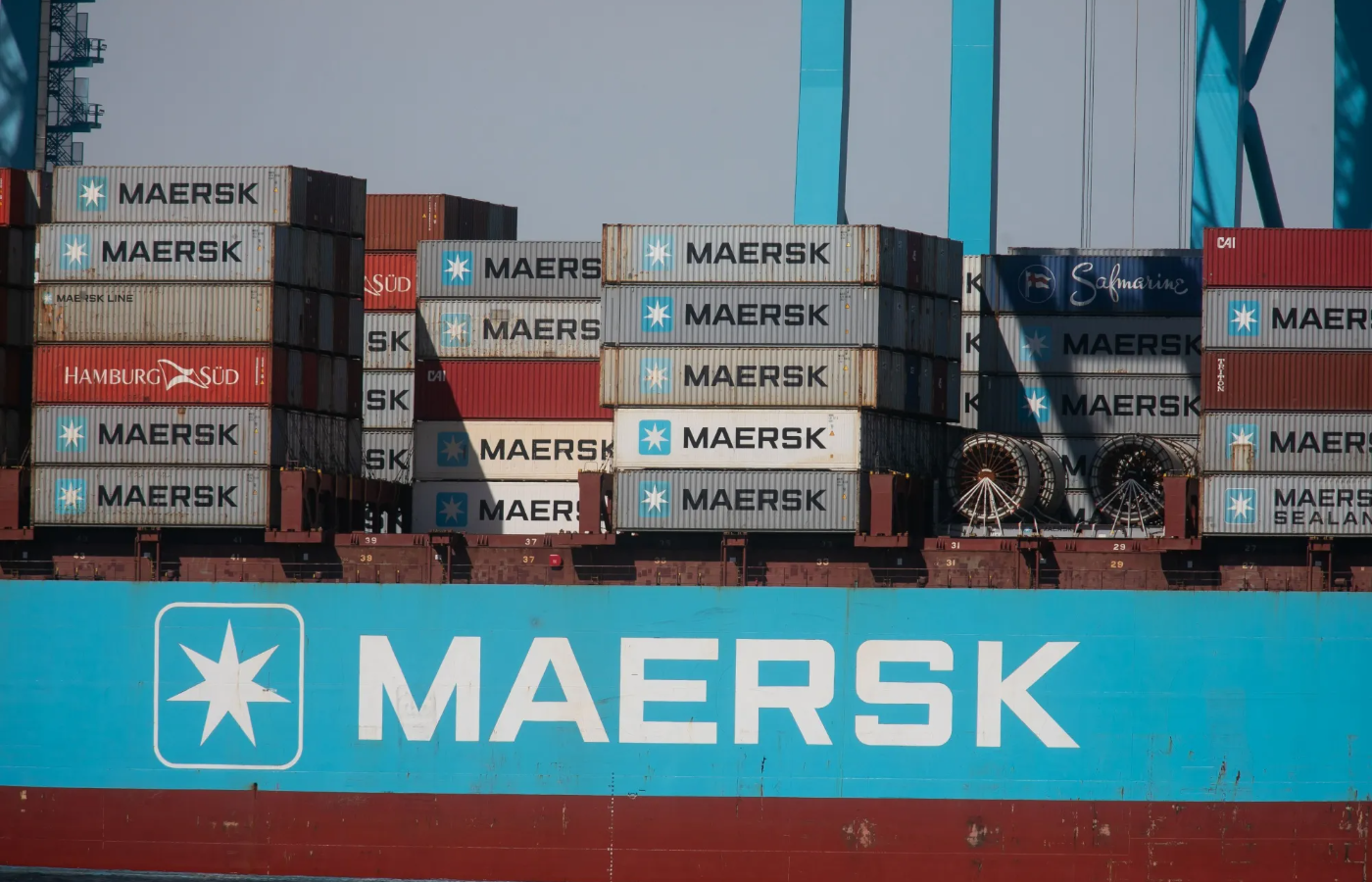
Danish shipping giant Maersk (MAERSKb.CO) said on Friday it will temporarily reroute certain sailings around the Cape of Good Hope, avoiding the Suez Canal, after facing unexpected operational constraints in the Red Sea, Reuters reported.
The company had only last month begun a gradual return of services to the Suez route, a move seen as a step toward ending two years of global trade disruption caused by attacks on vessels in the Red Sea by Yemeni Houthi rebels.
"After conversations with our security partners, it is clear that these constraints are making it challenging to avoid delays in regard to passage through the area," Maersk said in a statement. The company did not provide further details on the nature of the constraints.
Maersk maintains a significant footprint in Ethiopia. It operates offices in Addis Ababa and runs a multi-purpose consolidation centre at Modjo Dry Port, providing warehousing, cargo fulfilment, and inland distribution services that link Ethiopian freight directly to ocean sailings from Djibouti Port. Through these operations, Maersk handles a substantial share of Ethiopia’s containerised trade, historically among the largest carriers for imports and exports passing through the country. Market research indicates the company recorded roughly a ten percent increase in logistics volumes in Ethiopia in 2023, reflecting its central role in moving goods along the Addis Ababa–Djibouti trade corridor.
Ethiopia relies heavily on maritime trade through Djibouti, with over 95 percent of its imports and exports passing along this corridor. Any disruption in Red Sea operations, even temporary, could ripple through Ethiopian supply chains, affecting manufacturing, exports, and import costs, given Maersk’s position as a major carrier for containerised cargo.




