

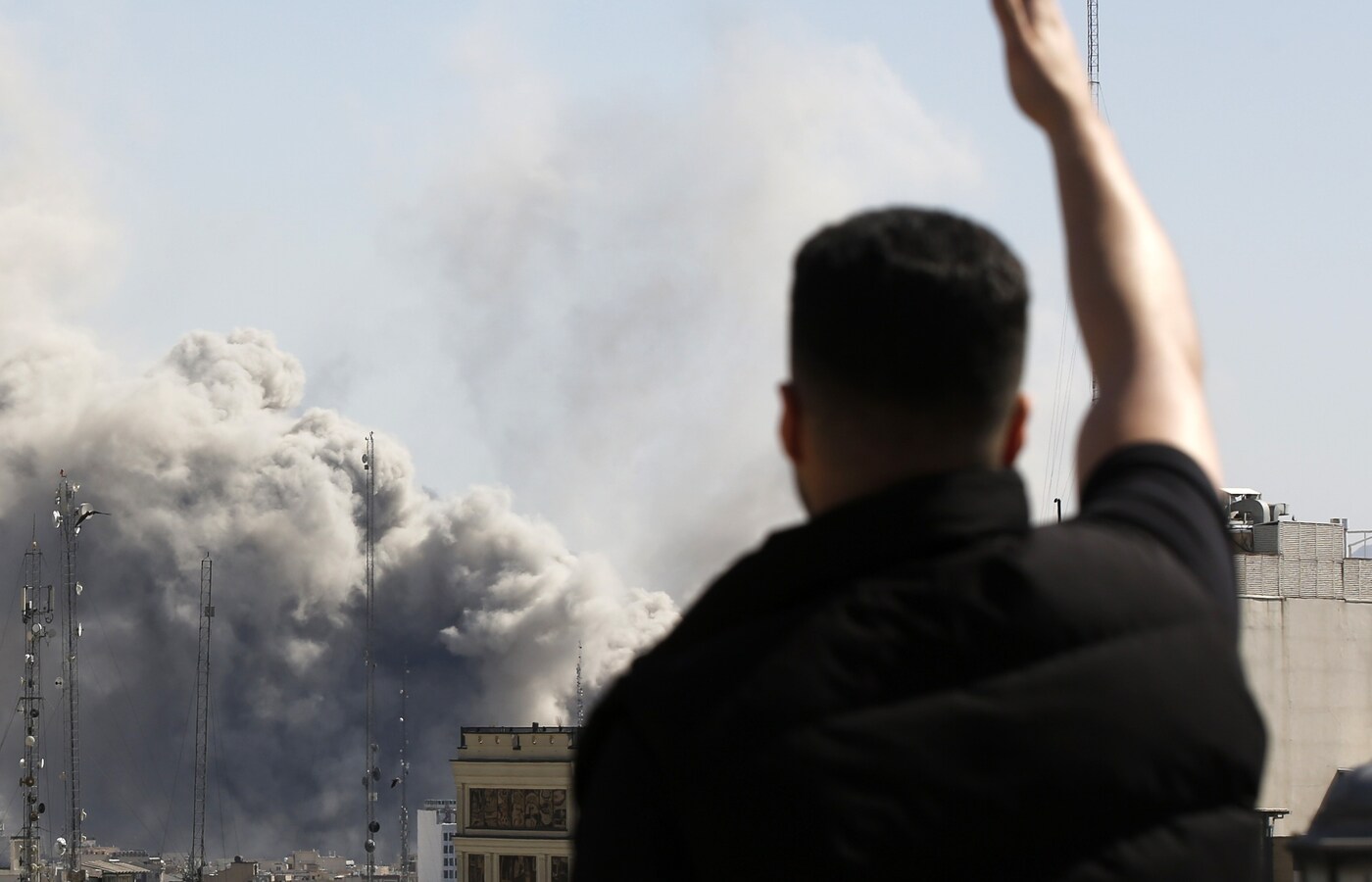
Brent crude prices skyrocketed by nearly 10 percent in a single day of trading, marking the most significant single-day increase since last year, as fighting in the Middle East rattled global markets.
The price per barrel of Brent crude settled at 79.85 US dollars, a sharp rise of 6.82 US dollars from the recent price of 73.20 US dollars. The escalation has introduced significant risk premiums into the international oil market over concerns that the conflict could disrupt supply chains.
Global financial hubs were closed over the weekend, withholding price updates during the initial stages of the conflict. However, upon reopening on Monday, March 2, 2026, the market posted a 10 percent gain, reflecting heightened geopolitical tensions.
In response to the crisis, eight key OPEC+ members—Saudi Arabia, Russia, Iraq, the UAE, Kuwait, Kazakhstan, Algeria, and Oman—agreed on March 1 to increase production by 206,000 barrels per day starting in April.
This represents an acceleration from previous production plans. However, analysts note that this increase represents less than 0.2 percent of global demand and may prove insufficient if flows through the Strait of Hormuz remain suspended.
With roughly 20 percent of the world's total oil supply transiting through the Strait of Hormuz, the escalating confrontation involving the United States, Israel, and Iran has raised the prospect of further price increases in the coming days, analysts suggest.
The primary driver behind the sudden surge is the growing fear that refining operations in the Persian Gulf could face significant disruptions, preventing their output from reaching international buyers. Should the conflict in the Middle East persist without a swift resolution, market observers warn that prices could potentially test the 100 US dollar per barrel threshold.
This price shock comes after a period of relative stability in global oil markets. However, the current crisis introduces a substantial risk that major Middle Eastern producers might curtail supply, which would have severe implications for demand in Western economies. If the conflict does not de-escalate quickly, analysts project that crude prices are on a trajectory to hit 100 US dollars per barrel.




