

Ethiopia has unveiled a decade-long plan to transform its agriculture sector from centuries-old reliance on animal traction and hand tools to mechanised, AI-driven farming systems by 2035, according to the National Agricultural Mechanisation Strategy (2026–2035).
The blueprint targets a sector that employs roughly 63 percent of the workforce, seeking to boost productivity, cut losses, and address labour shortages in rural areas as youth migration to cities accelerates.
At the core of the plan is a combination of high-tech adoption and physical mechanisation. Tractor density is set to rise from 1.36 units per 1,000 hectares of arable land to 4.1 units, while combine harvester utilisation is projected to grow from 0.66 to 1.99 units per 10,000 hectares of harvested land. Smallholder clusters will see mechanization coverage rise from 25 percent to 80 percent.
Precision agriculture is another key focus. Fertiliser and seed application equipment usage is expected to jump from a current 0.5 percent to 30 percent, optimising resource efficiency and boosting yields. Post-harvest losses are targeted for sharp reductions: cereal losses are to fall from 27 percent to below 10 percent, and horticultural losses from 40 percent to under 20 percent of total output.
Addisu Arega, minister of agriculture, noted that 66 percent of Ethiopia’s landmass is suitable for agricultural activities, with nearly 38.5 million hectares dedicated to crops and livestock. He acknowledged, however, that farming communities continue to face barriers in accessing the technologies essential for efficient production.
“This strategy is rooted in the National Agricultural and Rural Development Policy and aligns with Ethiopia’s Ten-Year Development Plan, the Malabo Declaration, the AU Agenda 2063, and the framework for Sustainable Agricultural Mechanization in Africa,” he said.
Mechanisation extends to livestock and fishery production. The strategy aims to ensure that all export-bound livestock products meet global sanitary and phytosanitary standards, while 75 percent of small- and commercial-scale animal feed is expected to utilise mechanised processing. Adoption of modern pre- and post-harvest processing technologies among livestock producers is projected to rise by 50 percent.
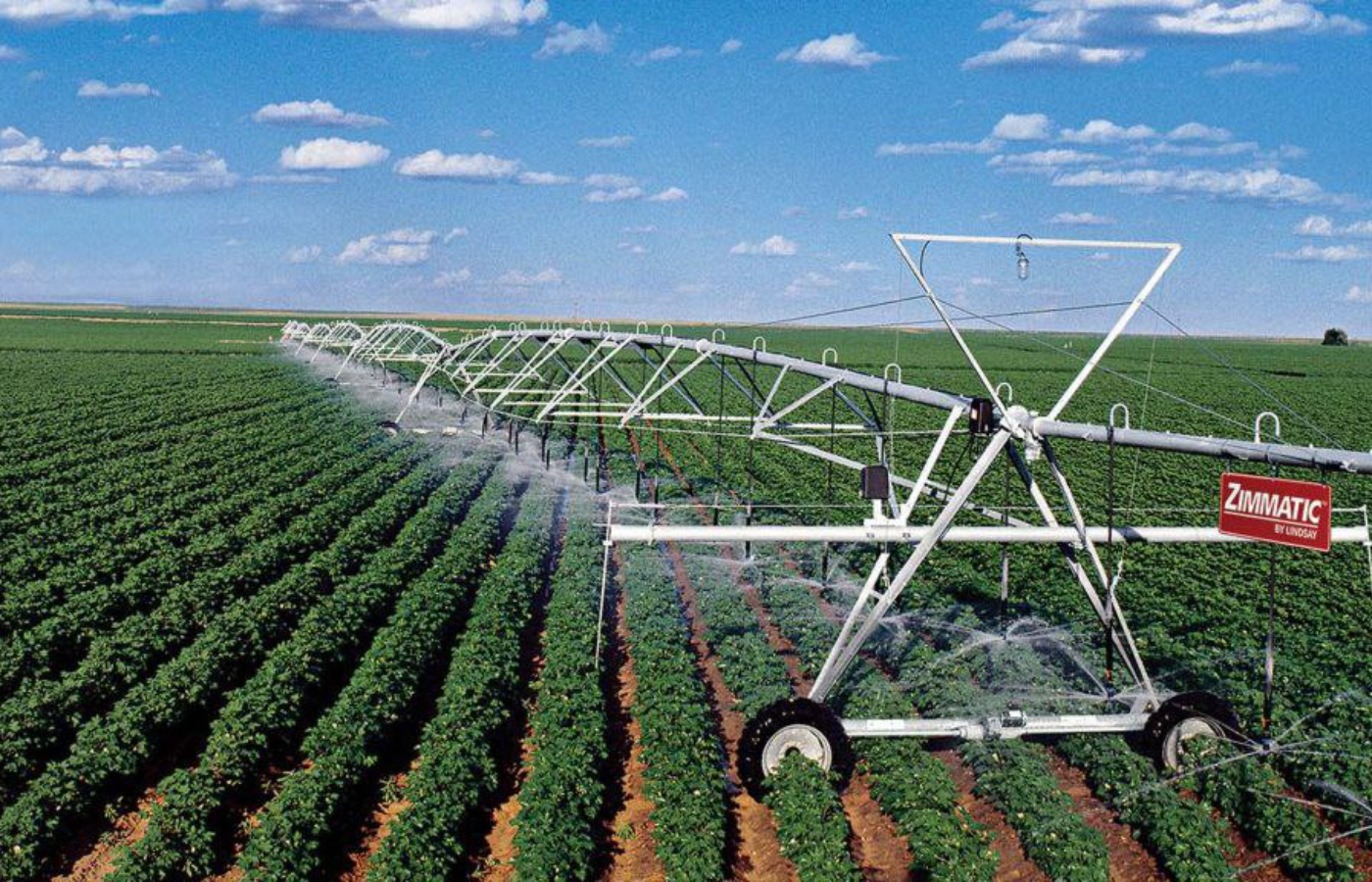
Natural resource management also forms a pillar of mechanisation. By 2035, Ethiopia plans to reduce net soil fertility degradation by 40 percent across major agricultural watersheds and expand mechanised irrigation, increasing pump coverage from 99 to 297 units per 1,000 hectares. Advanced, environmentally friendly mechanisation technologies are expected to contribute to reduced CO2 emissions.
The strategy sets clear targets for integrating AI, robotics, and digital farming tools. By 2035, about 10 percent of mechanised farmers are expected to fully adopt AI-driven systems, while machine learning applications will support robotic operations on farms nationwide.
To enable adoption of costly technologies, the plan introduces financial and investment mechanisms, including affordable credit services, leasing models, and support through microfinance and agricultural banks.
“This is more than a policy; it is a call for collective action,” said Sofiya Kassa (PhD), state minister for agricultural investment and inputs. “Our goal is to shift from subsistence-based practices toward a market-oriented, technology-led agricultural economy.”




