

Ethiopia’s parliament has approved two concessional loan agreements worth a combined 80 million euros and 184 million US dollars, targeting energy, digital infrastructure and urban employment, as the government continues to rely on external financing to support development spending.
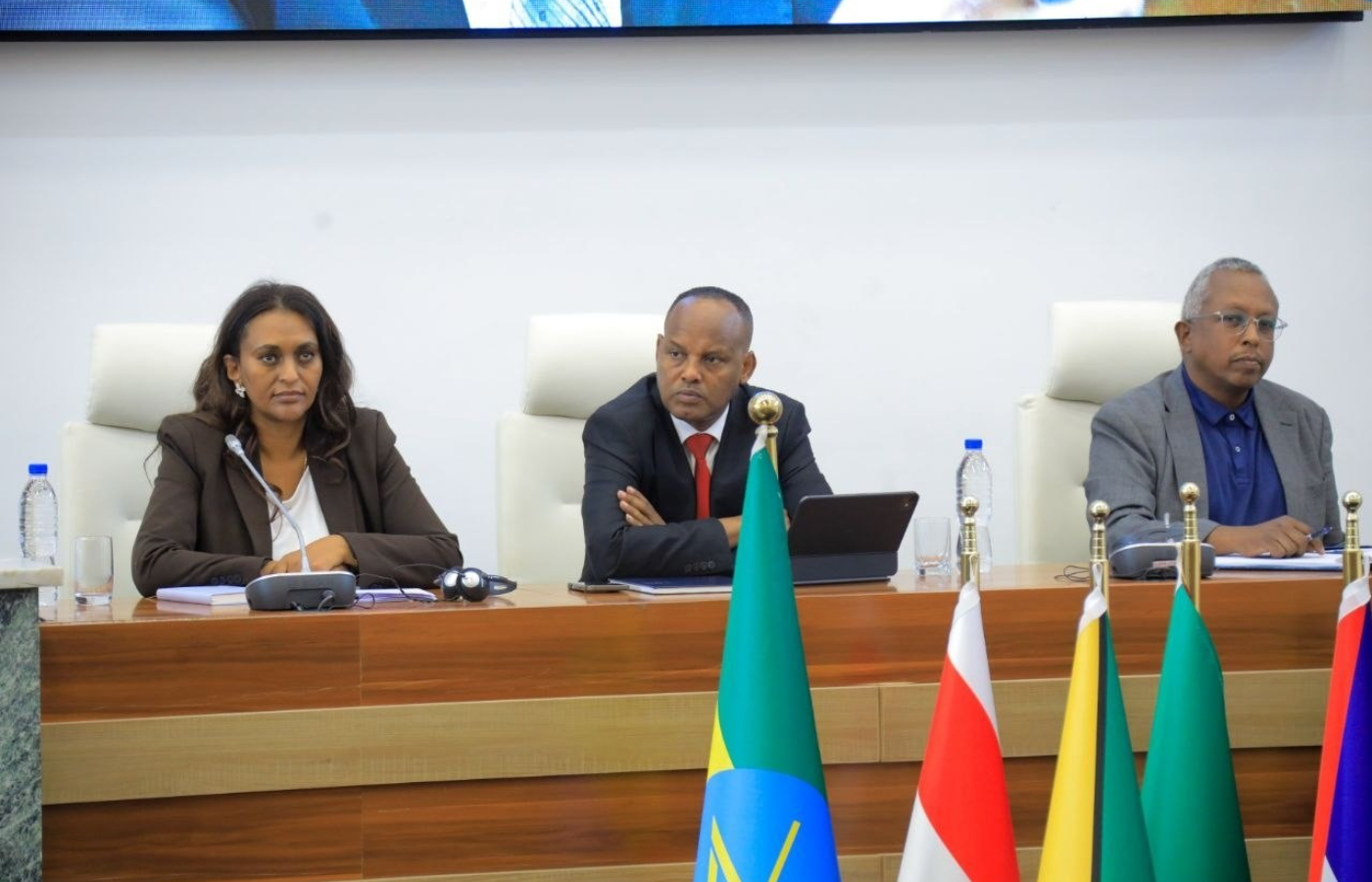
The House of Peoples’ Representatives endorsed the agreements during its 12th regular session of the current legislative year, ratifying financing deals signed with the French Development Agency and the International Development Association.
The 80 million euros facility from the French Development Agency will fund projects in renewable energy, integrated infrastructure and digitalisation. The loan carries an annual interest rate of 1.2 percent, alongside a 0.05 percent service charge, and will be repaid over 20 years, including a seven-year grace period, according to Tesfaye Beljige, minister in charge of government business.
Lawmakers approved the agreement unanimously after deliberations, enacting it into law under proclamation No. 1408/2018.
In a separate vote, parliament also ratified a third additional financing agreement with the International Development Association amounting to 184 million US dollars. The funds are earmarked for the Urban Productive Safety Net and Jobs Project, which focuses on expanding employment opportunities and supporting urban livelihoods.
The financing is interest-free and will be repaid over 30 years, including a six-year grace period. The agreement was passed unanimously and formalised under proclamation No. 1409/2018.
Ethiopia has increasingly turned to concessional external borrowing to finance priority sectors, including infrastructure, energy and social protection, as it navigates fiscal pressures and foreign exchange constraints. Multilateral and bilateral lenders remain key sources of long-term, low-cost funding, particularly following recent efforts to restructure public debt and stabilise the macroeconomic environment.
During the session, members of parliament underscored the need for tighter oversight to ensure the loans are deployed effectively and aligned with their intended objectives. The Ministry of Finance said monitoring mechanisms would be in place to track implementation across sectors.
Separately, lawmakers debated amendments to the country’s customs proclamation, referring the draft legislation to the standing committee on planning, budget and finance for further review.




