

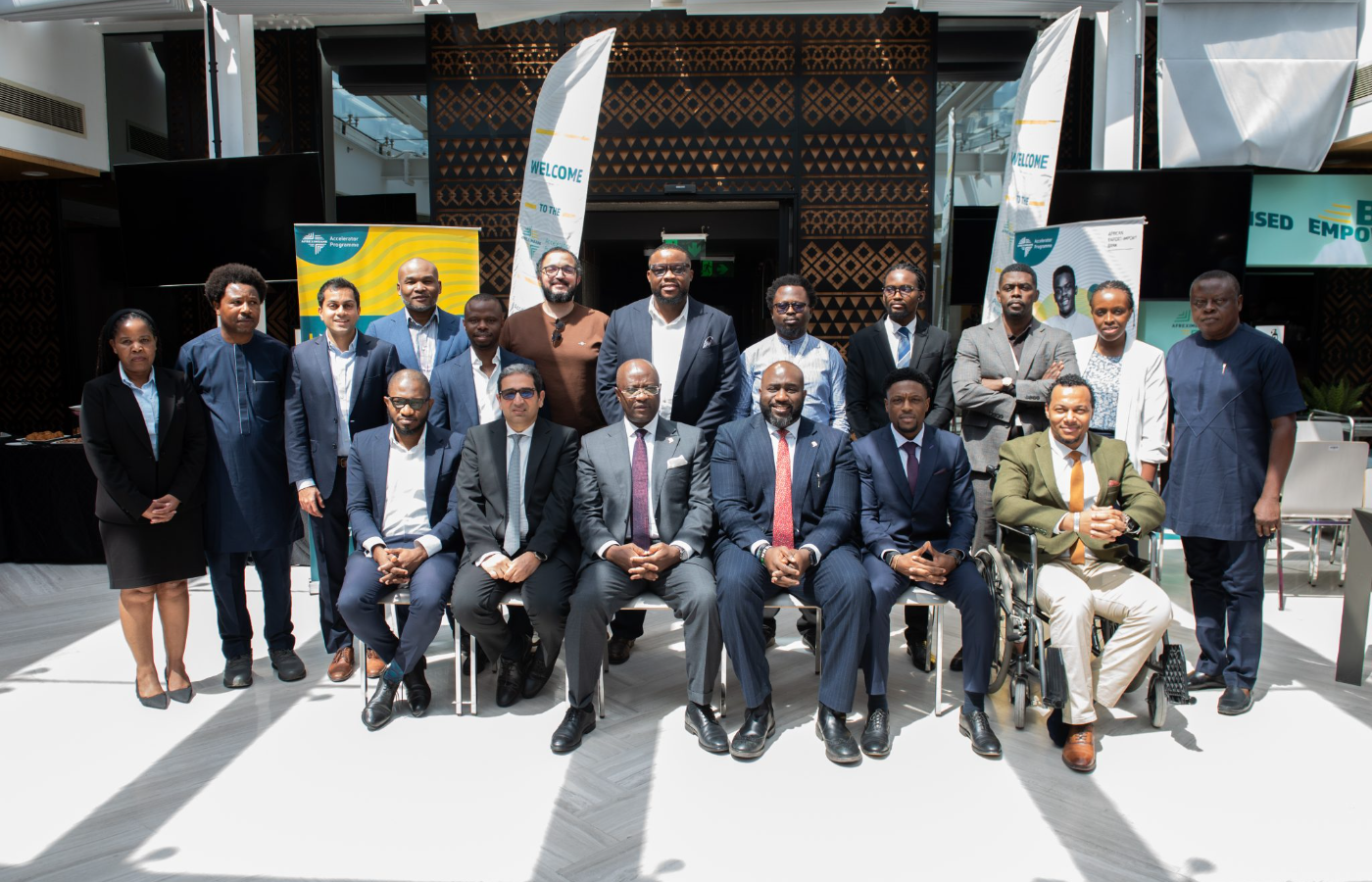
African Export-Import Bank has selected eight startups, including Ethiopia-founded Gebeya, for funding of up to 250,000 US dollars each under a newly launched accelerator programme targeting digital infrastructure for intra-African trade.
The Cairo-based lender said the companies were chosen from more than 1,600 applicants, focusing on ventures building platforms in cross-border payments, logistics, agri-exports and supply chain finance, sectors central to the rollout of the African Continental Free Trade Area.
Despite recent policy momentum, intra-African trade still accounts for about 15 percent of the continent’s total trade, far below levels seen in Europe and Asia. The gap reflects structural constraints including fragmented payment systems, currency convertibility challenges and regulatory differences across markets.
The programme, launched this week at the bank’s headquarters in Cairo, combines investment with market access, partnerships and regulatory guidance. Participating startups are also expected to integrate with continental systems such as the Pan-African Payments and Settlement System, which aims to enable cross-border payments in local currencies and reduce reliance on external clearing systems.
Other startups in the cohort include Egypt’s Fincart.io and Nigeria-based Capsa Technologies, alongside OnePort 365, Timon, Zowasel, Fluna and Daba Finance. The firms collectively operate across more than 15 African countries, spanning key trade corridors.
Some of the selected companies have already reached scale. Fluna has facilitated more than 50 million US dollars in trade across 10 countries, while Capsa Technologies has processed over 70 billion Nigerian naira in supply chain finance. Zowasel has connected more than 4,000 cooperatives and agribusinesses.
The initiative comes as Africa faces an estimated annual trade finance gap of more than 100 billion US dollars, limiting the ability of businesses to move goods and access working capital across borders. Digital platforms offering financing, payments and logistics coordination are increasingly seen as critical to narrowing that gap.
Afreximbank described the programme as a step toward translating continental trade ambitions into operational reality. According to Haytham Elmaayergi, Executive Vice President for Global Trade Bank at Afreximbank, the initiative moves beyond policy frameworks, focusing on the businesses and entrepreneurs building “the digital rails that will define how Africa trades in the 21st century.”
Elmaayergi framed the accelerator as part of a broader strategy to enable startups to scale across the continent, facilitate seamless cross-border commerce, and strengthen Africa’s economic integration. He said Afreximbank aims to serve as “a partner, an enabler and a committed stakeholder” in the development of the next generation of trade-focused enterprises.
The lender is using the initiative to deepen the infrastructure underpinning AfCFTA, as implementation shifts from policy frameworks to operational trade flows.




