

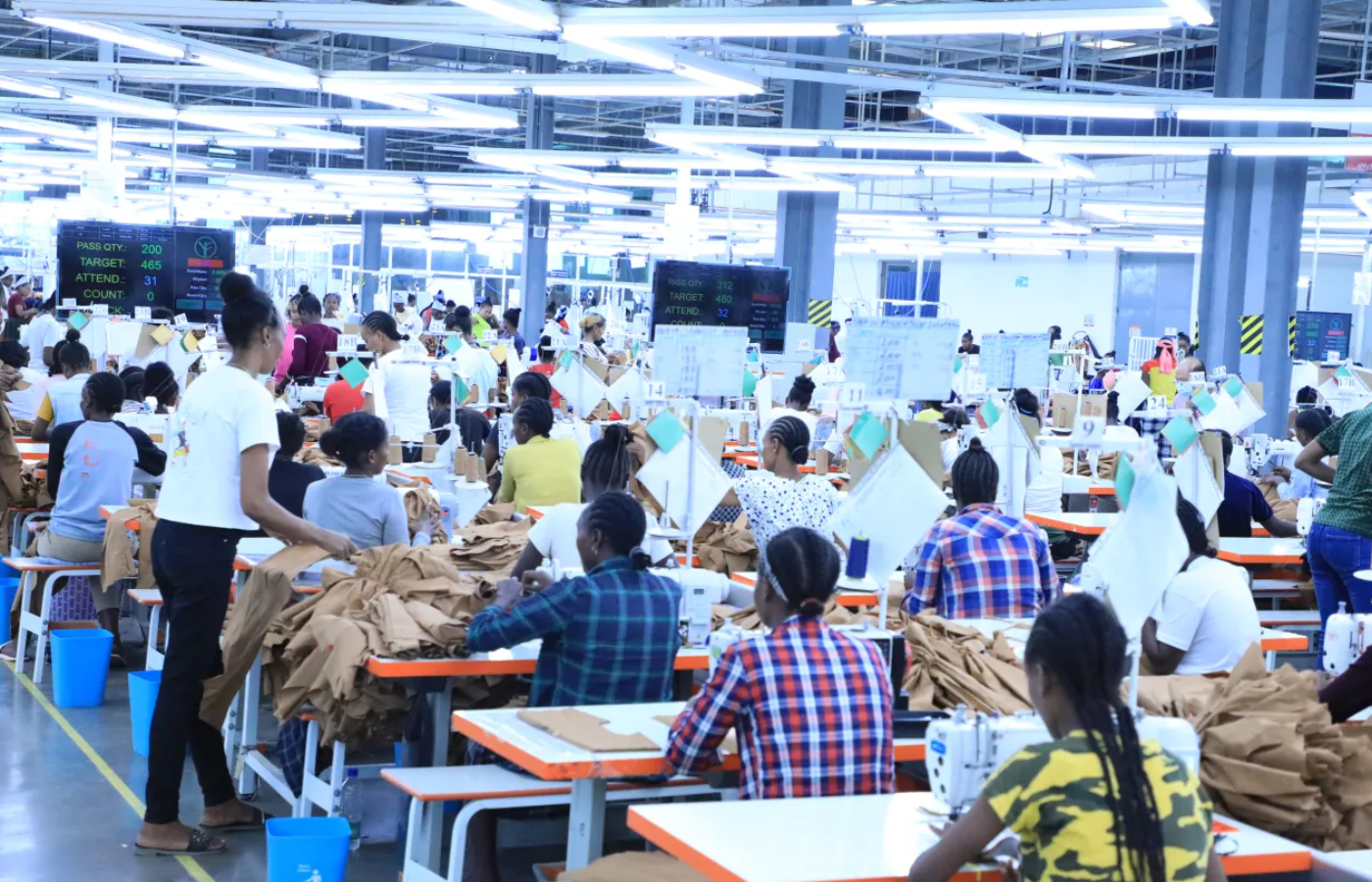
Forty factories across Addis Ababa, Hawassa, Adama, Dukem and Kombolcha are preparing to overhaul their operations under a Japan‑backed initiative led by the International Labour Organization. The programme targets climate resilience, productivity and workplace safety in Ethiopia’s leather, textile and garment sector, a key engine of industrial employment and export revenue.
The sector has become a strategic pillar of Ethiopia’s industrial ambitions, employing tens of thousands of mostly female workers and contributing roughly 17 per cent of national manufacturing output. Factories face mounting pressure to meet international sustainability and labour standards, with buyers increasingly scrutinising working conditions, safety protocols, and environmental compliance.
Under the ONE ILO Siraye Programme, participating factories will combine SCORE training with Kaizen-based continuous improvement methods to optimise workflows, reduce resource use, and adopt circular production practices where feasible. Digital monitoring tools will track workplace conditions such as heat stress and ventilation in real time, offering management data to strengthen occupational safety systems and respond to climate-related workplace risks.
The initiative also seeks to shift workforce dynamics. A Women’s Leadership Development Programme will equip female employees with supervisory and management skills, creating pathways to leadership and fostering inclusive workplace cultures. Japanese expertise in cleaner production, energy-efficient technologies, and sustainable manufacturing systems will guide practical improvements, while demonstrating innovations such as enzyme-based tanning and resource recovery that reduce environmental impact.
At the national level, the project will support dialogue among government, employers, and workers to map responsible business practices, identify policy gaps, and set sector priorities. Evidence from assessments on climate, safety, and circularity will feed into national frameworks aligned with Ethiopia’s climate commitments and Nationally Determined Contributions.
Running from 15 March 2026 to 14 March 2027, the programme is a one-year pilot that will generate practical evidence for scaling climate-smart and socially responsible practices across Ethiopia’s industrial base.
Independent evaluations of similar ILO initiatives indicate these interventions can improve wages, reduce excessive working hours, and boost productivity.




