

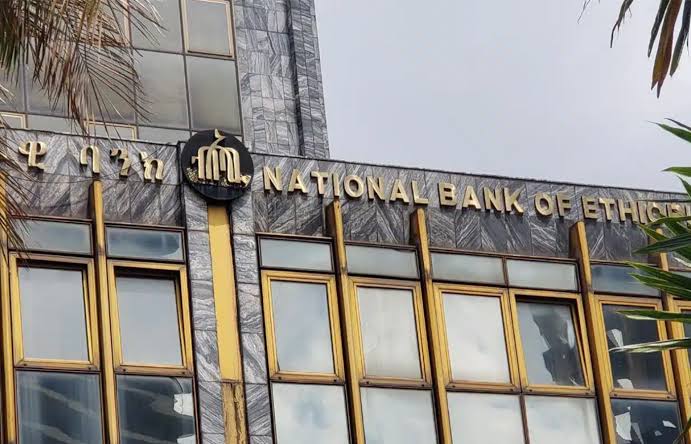
Central bank keeps tight stance despite single-digit inflation as external pressures loom
Ethiopia’s central bank has opted to hold its policy settings unchanged, maintaining a tight monetary stance even as inflation falls into single digits, while warning that rising oil prices linked to tensions in the Middle East could reignite price pressures.
The Monetary Policy Committee (MPC) of the National Bank of Ethiopia said following its sixth meeting that it would keep the policy rate and credit growth caps at current levels, citing the need to preserve recent gains in price stability.
Annual inflation slowed to 9.7 percent in February, extending a downward trend that brought headline inflation into single digits in December for the first time in several years. Food inflation eased to 10.8 percent from 14.6 percent a year earlier, while non-food inflation dropped to 8.1 percent from 15.6 percent. Month-on-month inflation stood at 0.4 percent, signalling a continued moderation in price pressures.
The MPC attributed the decline to tight monetary policy maintained since August 2023, alongside fiscal restraint and improved supply conditions. However, it cautioned that escalating geopolitical tensions in the Middle East could drive up global oil prices and disrupt supply chains, posing upside risks to the inflation outlook.
The decision to hold rates comes against a backdrop of strong economic growth. Real GDP expanded by 9.2 percent in the 2024/25 fiscal year, exceeding the eight-year average of 7.5 percent. Growth was supported by a stronger industrial sector, with mining — particularly gold — contributing significantly, while services and agriculture also recorded steady gains.
High-frequency indicators suggest momentum has carried into the current fiscal year, with increased activity in manufacturing, electricity generation and transport services. However, the MPC noted declines in export volumes for key commodities such as coffee and oilseeds, as well as a fall in raw material imports.
Monetary aggregates continued to expand rapidly. Broad money grew by 39.3 percent year-on-year as of February, driven largely by credit expansion, while bank lending rose by 45.3 percent over the same period. Base money growth remained more contained, reflecting liquidity sterilisation through foreign exchange auctions.
Short-term interest rates showed mixed trends. Treasury bill yields declined, with the 91-day rate falling to 12.4 percent from 15.2 percent a year earlier, amid stronger participation from private investors. By contrast, interbank rates rose to 17.9 percent, pointing to liquidity pressures among some private banks.
The central bank said the banking sector remained broadly stable, with low non-performing loans and adequate capital buffers, though some institutions continued to face liquidity constraints. The introduction of an interbank money market and a standing lending facility has helped ease short-term funding pressures.
Fiscal policy has remained aligned with monetary tightening, with the government refraining from direct central bank financing since reforms introduced in July 2024. The budget deficit stood at 1.1 percent of GDP in the first seven months of the current fiscal year, financed largely through treasury bill issuance.
Externally, Ethiopia recorded a balance of payments surplus in the first eight months of the fiscal year, supported by improved export performance — notably in coffee and gold — alongside stronger remittance inflows and services trade.
The MPC said global conditions remain uncertain. While earlier projections pointed to global growth of around 3.3 percent in 2026, the recent surge in oil prices risks slowing activity, particularly in oil-importing economies such as Ethiopia.
The committee said it would continue to monitor developments closely and could convene again before its scheduled meeting in late April if conditions warrant further policy action.




