

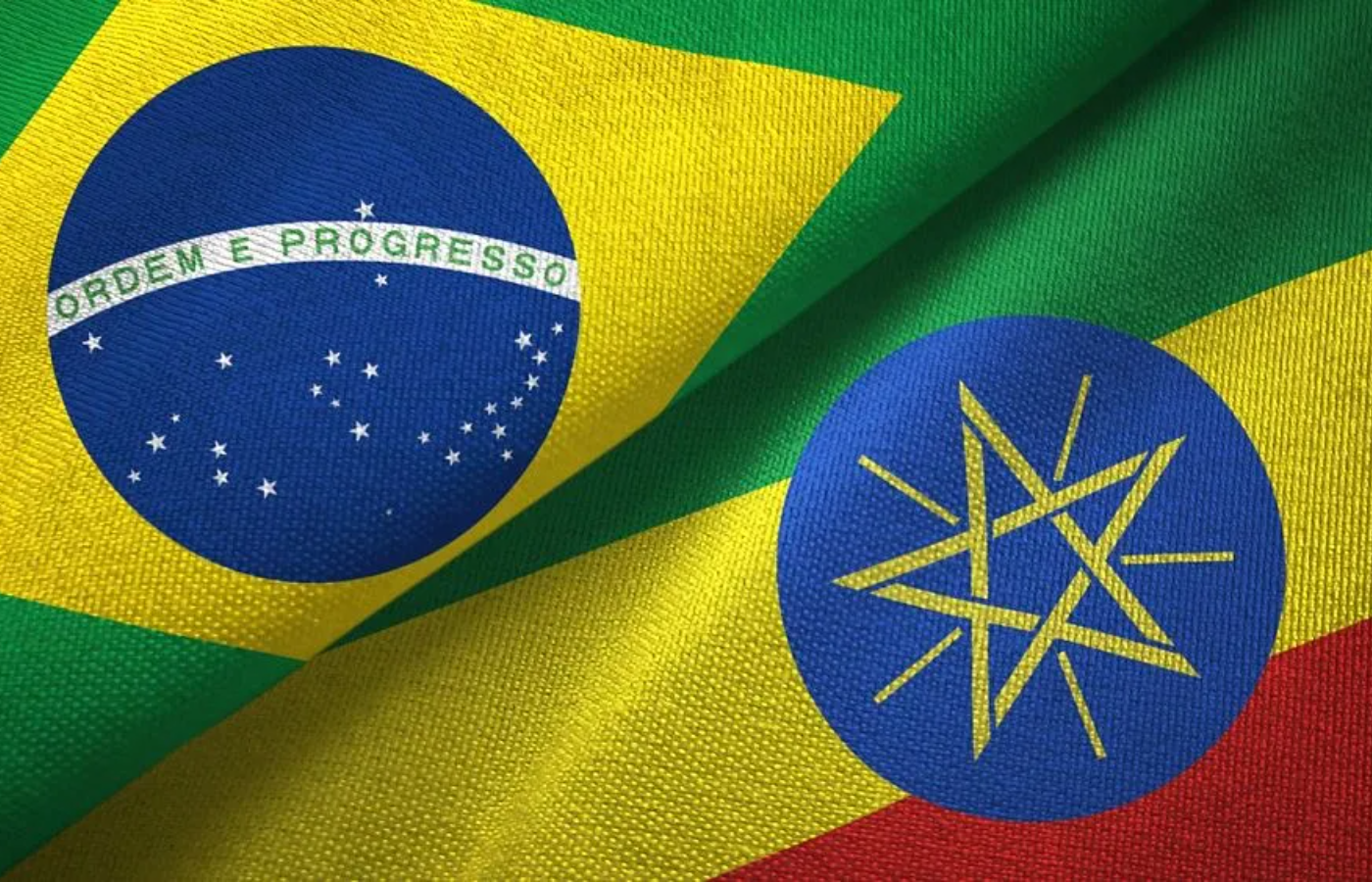
Brazil has obtained authorisation to export 17 agricultural products to Ethiopia, including beef, poultry and pork, even as the country accelerates its “Made in Ethiopia” programme to reduce dependence on imports.
The approvals, covering Brazil’s key export sectors such as livestock and other farm produce, mark the first market openings under Agriculture Minister Andre de Paula, who took office last week. Brazil’s agriculture sector is a global powerhouse, accounting for more than 40 percent of total export value and ranking among the world’s largest suppliers of beef, poultry, soy and other commodities, supported by advanced production systems and research institutions.
Ethiopia remains heavily reliant on agriculture, which contributes around 35 percent of GDP and employs the majority of the workforce. While the country has been pursuing an ambitious import substitution strategy to reduce dependence on foreign goods, gaps persist in supply for certain products, particularly processed foods and meat. The government’s “Made in Ethiopia” initiative has replaced roughly US dollars 2.7 billion in imports during the first eight months of the 2024/25 fiscal year, yet demand for high-quality meat and other farm products continues to exceed domestic output.
Bilateral trade between the two BRICS members remains at an early stage. In 2025, Brazilian exports to Ethiopia totaled around US dollars 31 million, largely concentrated in mineral fuels and machinery. Agricultural products represented a smaller portion of trade, underscoring the potential for expansion as Brazil supplies goods that complement Ethiopia’s ongoing import substitution efforts.




