

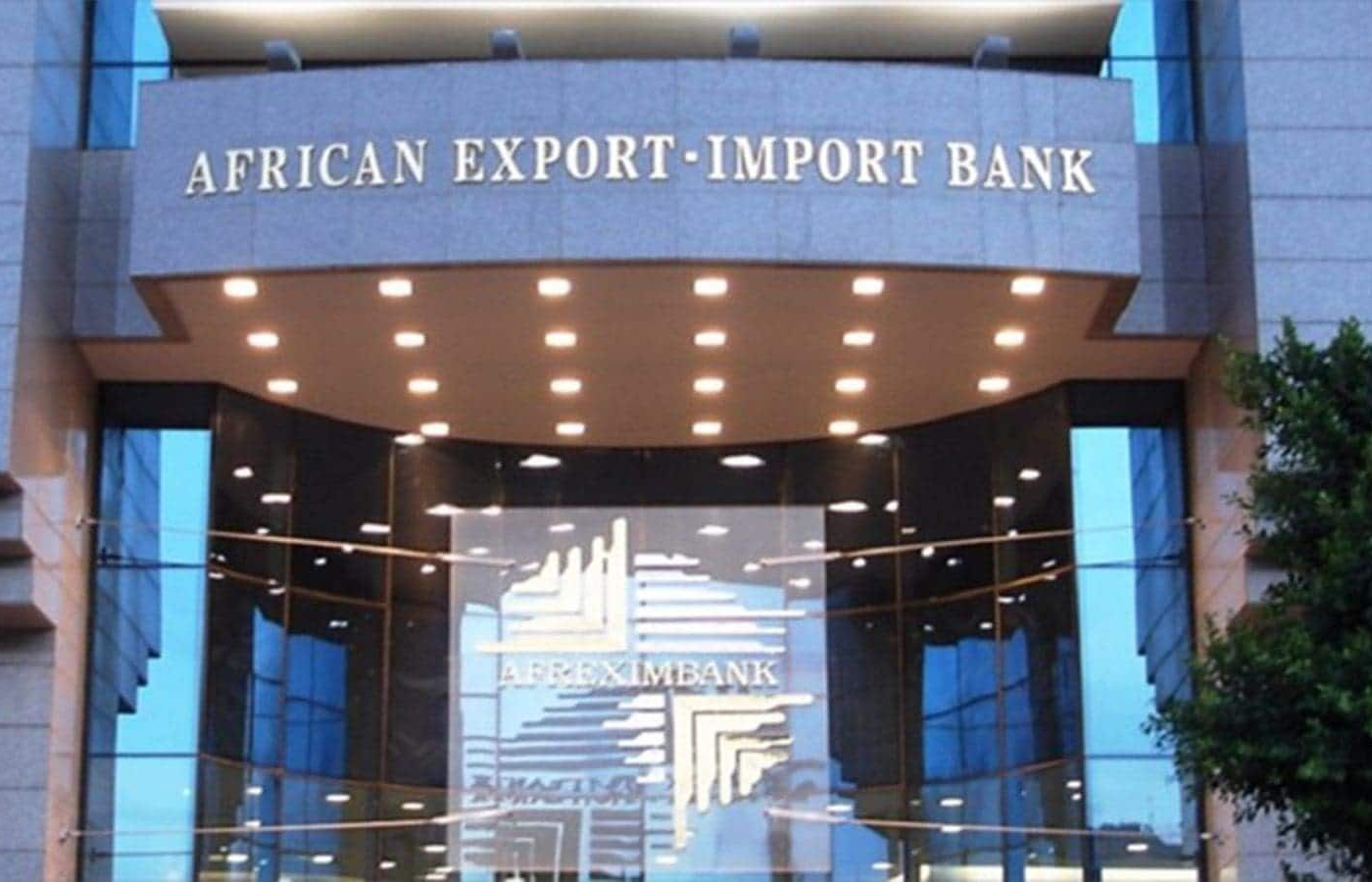
African Export-Import Bank (Afreximbank) posted a net income of 1.2 billion US dollars for the year ended 31 December 2025, reflecting broad-based growth across its lending and investment activities. Total assets and contingencies rose 21 percent to 48.5 billion US dollars, underscoring the bank’s steady expansion across Africa and the Caribbean.
Net loans and advances reached 33.5 billion US dollars, up 16 percent from 2024, driven by financing in manufacturing, infrastructure, food security and climate adaptation projects. Non-performing loans remained stable at 2.43 percent, indicating resilient portfolio quality.
Denys Denya, the bank's Senior Executive Vice President, described the results as a “fitting tribute to a decade of leadership under Professor Oramah,” highlighting that newly established subsidiaries had turned profitable and that the bank entered 2026 with strong momentum to deepen trade integration and value addition across Africa.
The bank strengthened its liquidity position, with cash and cash equivalents at 6.0 billion US dollars, representing 14 percent of total assets, above its strategic minimum of 10 percent. Shareholders’ funds grew 17 percent to 8.4 billion US dollars, supported by net income and new equity inflows under the General Capital Increase II.
Gross income increased to 3.5 billion US dollars, while operating expenses rose to 459.2 million US dollars, reflecting staff expansion and inflationary pressures. Afreximbank maintained a cost-to-income ratio of 21 percent, comfortably below its 30 percent ceiling.
In a demonstration of market confidence, Afreximbank raised over 800 million US dollars in international bond markets through Samurai and Panda bonds in Japan and China. The fundraising highlighted the bank’s capacity to mobilise capital and support Africa’s trade and industrialisation objectives.
Total assets of 48.5 billion US dollars represent a 21 percent increase from 40.1 billion US dollars in 2024. Net income rose from 973.5 million US dollars in the prior year to 1.2 billion US dollars. Non-performing loans remained low at 2.43 percent, while cash accounted for 14 percent of total assets, up from 13 percent in 2024. Operating costs rose to 459.2 million US dollars from 367.7 million US dollars, and the cost-to-income ratio stood at 21 percent, an improvement on previous years.




