

Fuel shortages and rising transport costs triggered by global oil market disruption linked to escalating tensions involving Iran, the United States and Israel are forcing local traders to scale back long-distance shipments of vegetables and fruit, as delays in fuel queues and higher freight rates disrupt the movement of perishable goods between producing regions and major cities.
Transport operators say diesel prices, which some report they are now sourcing from the black market at significantly higher rates amid uncertainty in formal supply, are eroding the economics of long-haul delivery. The pressure is prompting a shift toward shorter, more localised distribution routes. The adjustment is beginning to redraw how fresh produce moves across the country.
In several producing zones, traders report a growing reluctance to dispatch perishable goods over extended distances. Instead of sending consignments to multiple regional destinations, many are now limiting deliveries to nearby cities. That strategy, however, is creating fresh pressure on supply chains, as unsold produce risks spoilage, forcing traders into price reductions and exposing them to higher post-harvest losses.
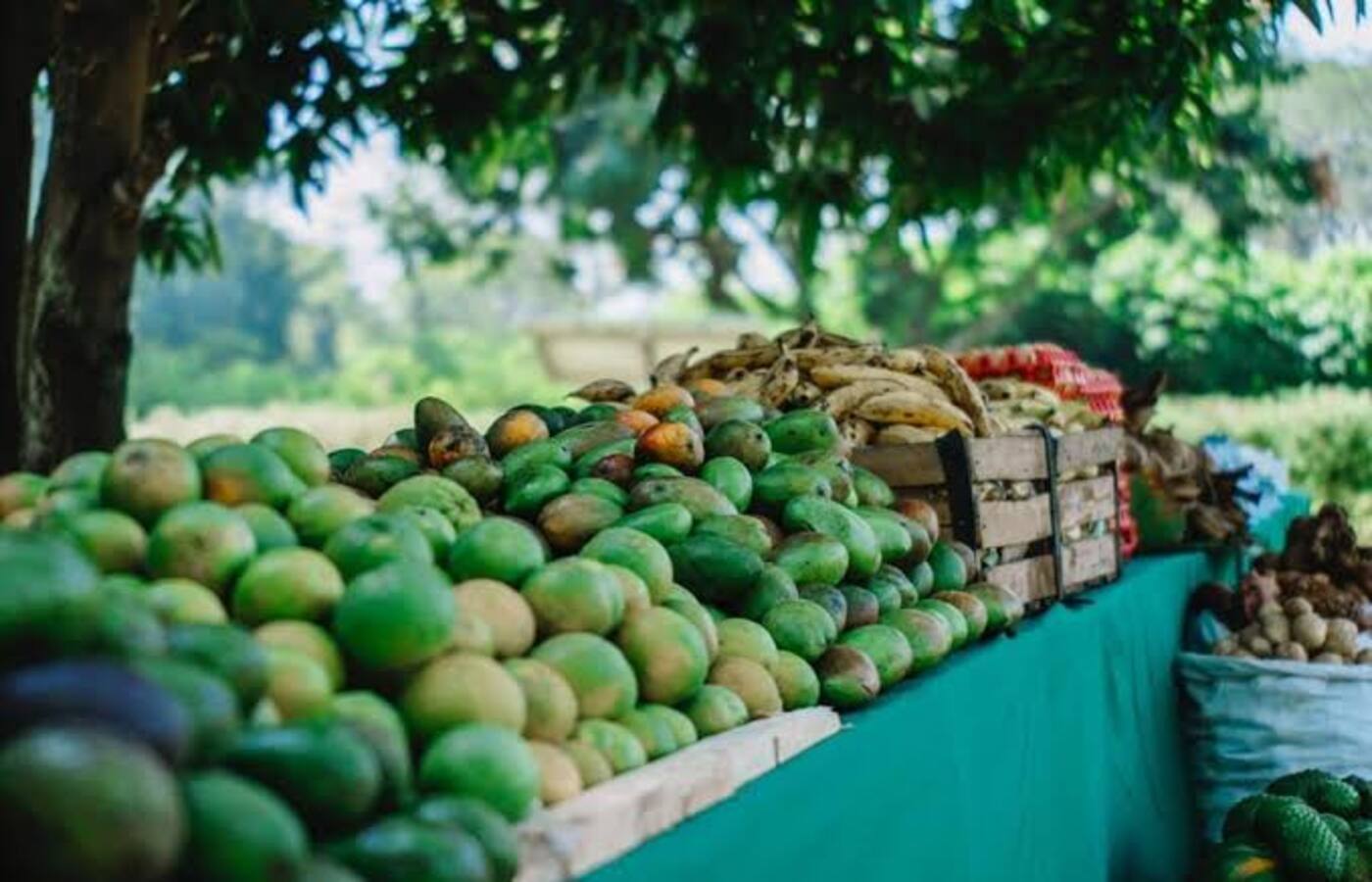
In Arba Minch, a key fruit-producing belt known for bananas and mangoes, traders say shipments are increasingly concentrated on Addis Ababa and neighbouring urban centres along the southern corridor, including Hawassa and Shashemene routes. Longer distribution cycles to distant markets are being reduced or temporarily suspended as transport costs climb.
Anteneh Teshome, a produce intermediary trader in Arba Minch, sits in the middle of the farm-to-market chain, aggregating fruit from surrounding producing areas before organising transport to urban wholesale markets. He said transport delays are lengthening as operators spend increasing time on the road searching for fuel. He noted that extended journey times are causing produce to arrive late in destination markets, heightening the risk of spoilage and deepening losses for perishable goods.
“In Mekelle, for instance, it used to take three days. Now, a week is not enough,” he added.
Sources in Arba Minch told Birrmetrics that traders, including those dealing in perishable goods, are increasingly sidelined in fuel queues, as available supplies are largely absorbed by corridor development activities in the city.
“You can’t even get it with queues,” one source said, describing a system where access itself has become uncertain rather than merely expensive. Those who do secure fuel, sources added, often resell it on the informal market at prices reaching up to 1,500 birr per litre.
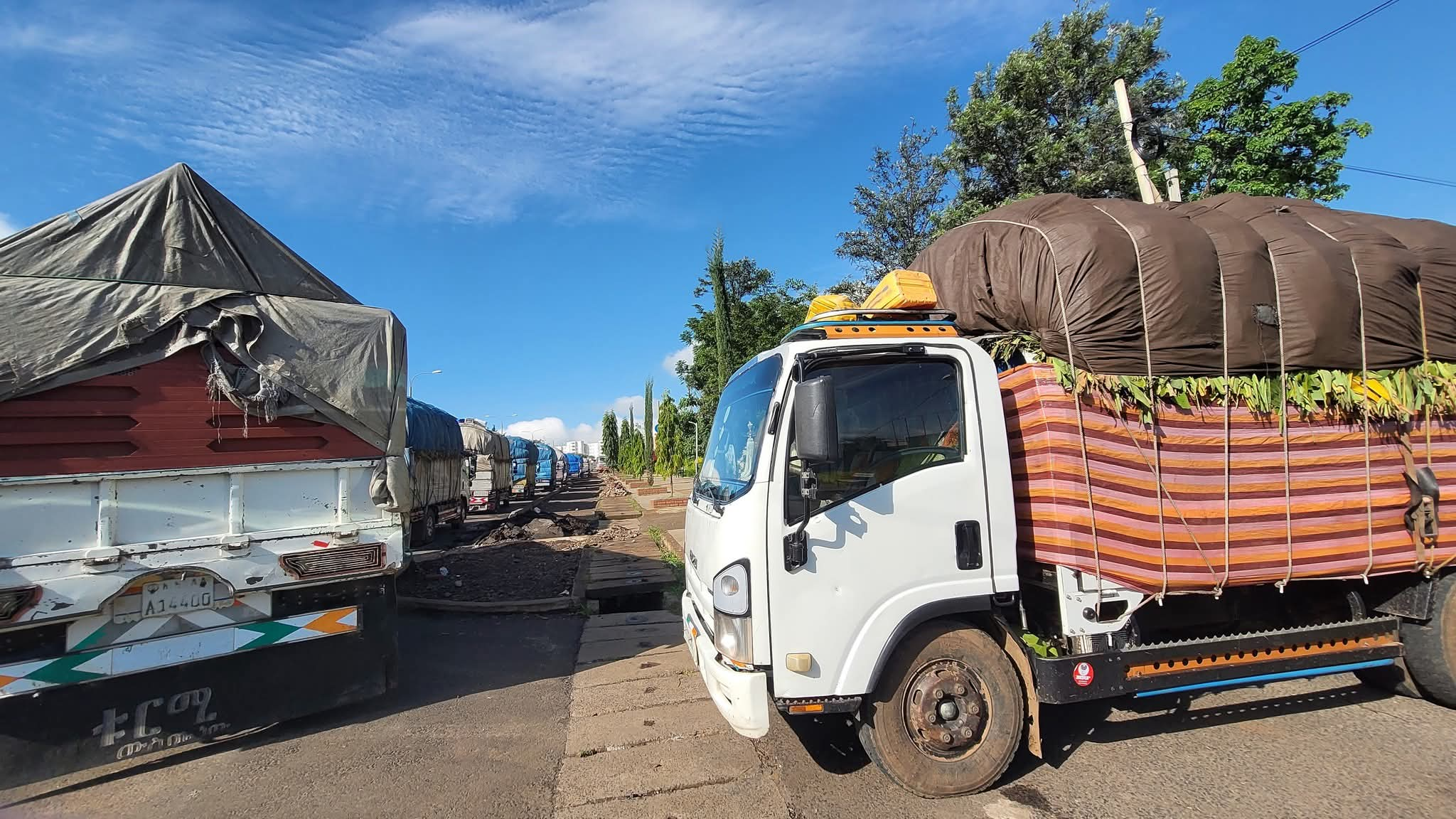
According to Anteneh, transporting bananas by rented Isuzu from Arba Minch to Addis Ababa used to cost about 60,000 birr before the crisis. He said the cost has since climbed to as high as 200,000 birr per vehicle, excluding an additional 14,000 birr in VAT and other ancillary charges.
He added that the pressure is more pronounced on longer routes. Transporting bananas to Mekelle, which previously required about 100,000 birr for a vehicle rental, now costs around 350,000 birr.
Shegaz, a potato wholesaler based in Shashemene who sources from Bonga, said transport costs have now converged with the value of the cargo itself. He currently pays about 400,000 birr for potatoes and a similar amount to hire a Sinotruk with a capacity of up to 170 quintals, a cost structure he said has forced him to lift wholesale prices from 40 birr to 50 birr.
“Transport now stretches beyond two days to reach us, and losses are becoming part of the trade,” Shegaz told Birrmetrics, adding that delays have begun to translate directly into waste. He said he recently discarded one quintal of potatoes after the shipment deteriorated in transit.
The escalation of conflict involving Iran, the United States and Israel has disrupted key global shipping routes, particularly the Strait of Hormuz, through which about one-fifth to one-quarter of global seaborne crude oil trade passes. This has tightened global supply and pushed prices upward.
Brent crude rose above 100 US dollars per barrel during the Iran-related supply disruptions in March, briefly approaching 120 US dollars in volatile trading sessions, before easing back and stabilising below that level, fluctuating in the mid-90s range.
Ethiopia raised fuel prices twice in close succession after the conflict-driven oil shock. Diesel now sells at 163.09 birr per litre, up from 139.84 birr, while heavy black diesel is priced at 160.68 birr per litre and petrol at 142.41 birr per litre.
The Ministry of Trade and Regional Integration said that even with these adjustments, domestic fuel prices remain well below actual market levels. It added that the total fuel subsidy has now reached nearly 272 billion birr.
The queues, however, are testing the patience of transport operators. A video shared with Birrmetrics from Arba Minch shows long lines of vehicles stacked bumper to bumper, most of them carrying perishable goods, caught in fuel queues that have turned into extended holding zones rather than transit points.
Residents say prices of these goods are being cut in real time, as traders try to offload stock before the clock runs out on freshness. With transport delays stretching delivery windows and spoilage risks rising, pricing is becoming less about demand and more about timing, turning markets into quiet auctions against waste.
The pressure is also being felt in the capital, Addis Ababa. A retailer, who preferred to remain anonymous around Hadid Gebeya, told Birrmetrics that while the effects on fruit prices are not yet fully visible, vegetable costs have already begun to rise, particularly for onions and potatoes, even as supplies continue to reach the market.
The strain has prompted the government to seek alternative supply arrangements. The Ministry of Trade and Regional Integration said a few weeks ago that Ethiopia awarded a fuel supply tender to Dutch-based energy trader Vitol, as deliveries under its government contract with Kuwait face delays linked to global supply disruptions stemming from the Middle East conflict. The Ministry said logistical bottlenecks related to the Gulf crisis have left about 180,000 metric tonnes of fuel shipments stranded, including 120,000 metric tonnes of diesel and 60,000 metric tonnes of jet fuel, further tightening pressure on Ethiopia’s energy supply.
Tesfaye Abate, communication director at the ministry, said there is an excess of agricultural produce in parts of the country, which he said became evident during the Easter and Ramadan holiday period.
“This is because the government prioritised fuel allocation to certain sensitive sectors,” he said.
He added that a dedicated body set up to manage the emergency is assessing the situation and is expected to take further measures based on its findings.




