

Kenyan lawmakers have raised concern that the migration of trained engineers to overseas jobs is weakening technical capacity in the energy sector, including operations linked to the cross-border electricity line that carries power imports from Ethiopia.
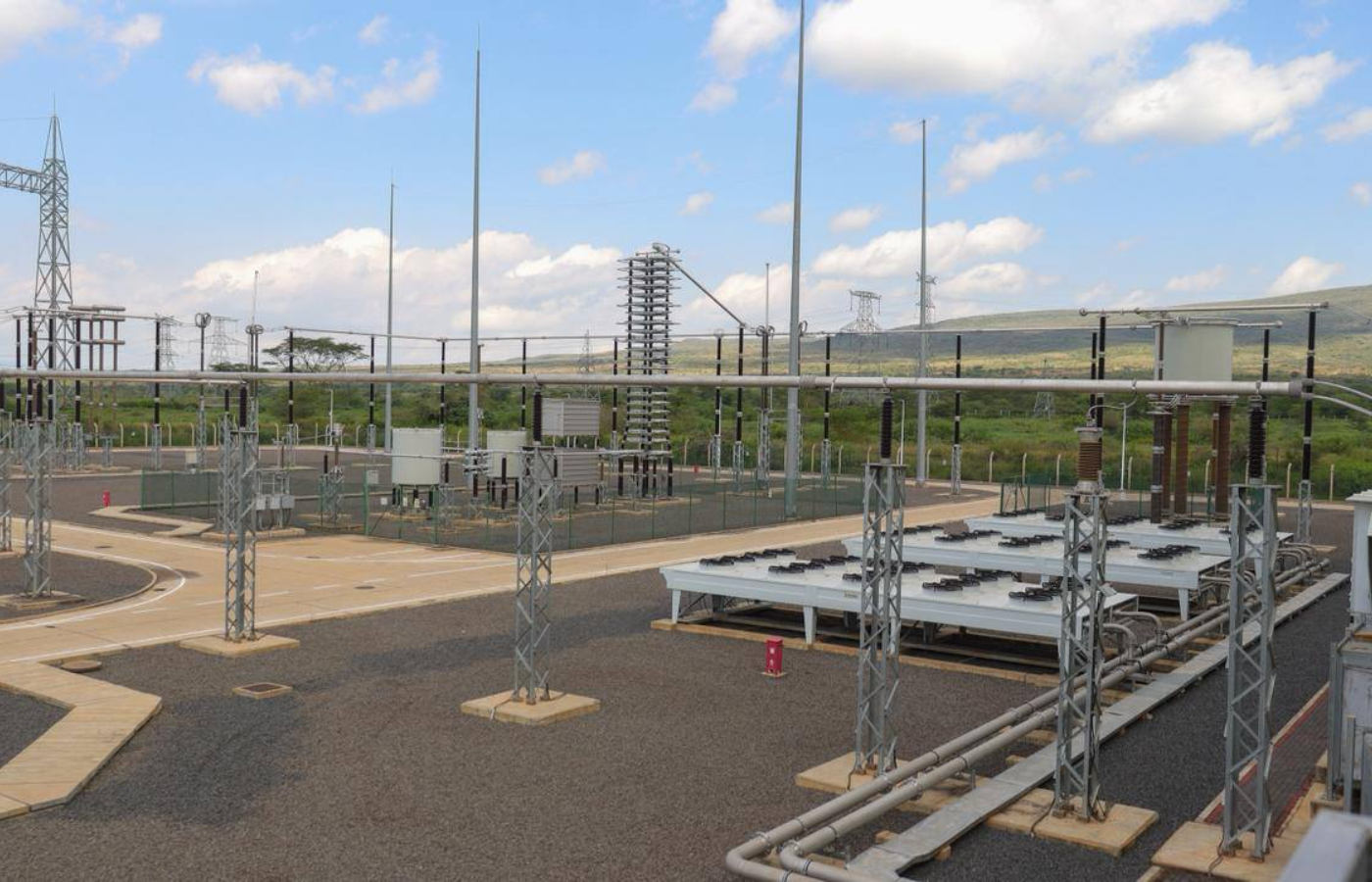
The warning came during an inspection by members of Kenya’s National Assembly Departmental Committee on Energy and Petroleum, who visited key facilities in the Rift Valley, including the Suswa electricity hub in Narok County and geothermal developments in Olkaria, Nakuru County.
The 1,065-kilometre Kenya–Ethiopia High Voltage Direct Current transmission line, a strategic infrastructure project designed to facilitate electricity trade and improve regional grid stability, was a central focus of the oversight visit.
Kenya imports about 200 megawatts of electricity from Ethiopia during peak demand periods and roughly 65 megawatts during off-peak hours, well below the line’s 2,000 megawatt capacity.
At Suswa, officials said the hub integrates 500kV, 400kV and 220kV substations that connect geothermal generation from Olkaria and wind power from Lake Turkana Wind Power into the national grid, forming a key transmission node.
Lawmakers said the loss of skilled engineers managing such infrastructure poses a growing operational risk.
Chepalungu MP Victor Koech said Kenya was losing professionals despite investing in their training.
“You have trained 18 engineers and already lost seven of them to Europe within three years,” he said, urging the introduction of service requirements for publicly trained engineers.
Security vulnerabilities along transmission corridors also came under scrutiny, with MPs highlighting repeated vandalism of optical fibre cables supporting the power infrastructure.
Ruiru MP Simon King’ara warned that continued sabotage could undermine the reliability of the regional transmission system if not urgently addressed.
Senior engineer Samson Akuto told the committee that monitoring systems, including CCTV cameras and sensors, had been deployed along vulnerable sections of the corridor. He added that authorities were considering the deployment of drones and helicopters to improve surveillance and response times.
He also said grid stability measures, including STATCOM systems, were being introduced to manage voltage fluctuations.
At the geothermal sites, MPs were briefed on delays affecting a drilling rig moved from the Menengai geothermal project to Suswa, which remains idle due to funding constraints. Officials from the Geothermal Development Company said the delay is costing about Ksh5 million per day.
They added that an additional Ksh151 million is required to complete a water intake system before drilling can begin.
Lawmakers also inspected rehabilitation works at KenGen’s Olkaria I geothermal plant, Africa’s oldest geothermal facility, which has been operational since 1981. The utility is undertaking a Ksh15 billion upgrade aimed at increasing capacity from 45MW to 63MW through installation of modern turbines.
KenGen is also developing topping plants at Olkaria I and II, expected to add a combined 40MW by utilising surplus steam that is currently not harnessed.
Officials said the rehabilitation programme has faced setbacks including community protests, theft of construction materials and a Ksh1.5 billion budget reduction.
The inspection highlighted operational and security challenges affecting Kenya’s electricity infrastructure, even as the country continues to expand geothermal generation and maintain regional electricity trade with Ethiopia.




