

Ethiopia Abstains as UN Backs World Court Climate Ruling
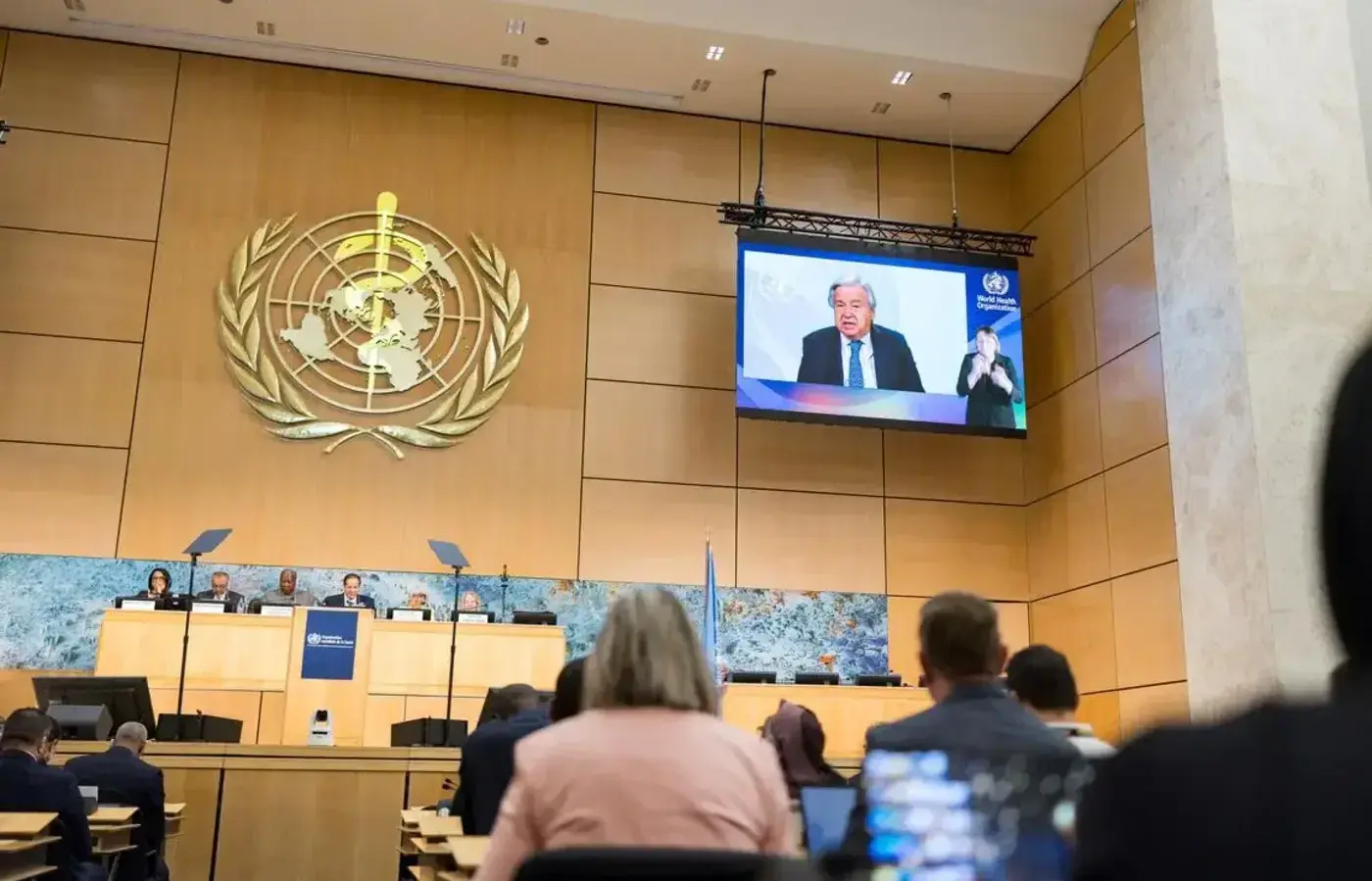
Ethiopia abstained as the United Nations General Assembly overwhelmingly adopted a resolution backing a landmark International Court of Justice advisory opinion that says states have legal duties to act on climate change.
The resolution, tabled by Vanuatu, passed on Wednesday with 141 votes in favour, eight against and 28 abstentions. The United States, Russia, Iran, Israel, Saudi Arabia, Belarus, Liberia and Yemen voted against the text, while the UN vote board showed Ethiopia among the countries that abstained.
Addis Ababa has long presented itself as a climate-vulnerable, low-emission economy seeking stronger international finance for adaptation and green growth. Its latest climate plan, submitted to the UN in 2025, targets a 70.3 percent reduction in greenhouse-gas emissions by 2035 against a revised business-as-usual pathway, while linking deeper cuts to external support.
The non-binding UN resolution supports the ICJ’s July 2025 advisory opinion, which found that states have obligations under international law to protect the climate system and address the consequences of climate harm. Although the opinion does not create an enforcement mechanism, it is expected to shape future climate litigation, diplomacy, and debates over loss and damage.
For Ethiopia, the ruling carries both opportunity and risk. On one hand, it could strengthen the case of climate-vulnerable countries seeking finance, technology transfer and compensation for climate-related damage. Ethiopia’s own NDC recognises loss and damage as covering both immediate destruction of assets and longer-term economic consequences from climate-related hazards.
On the other hand, the legal framing may raise concerns among developing countries over how climate obligations will be interpreted, especially for economies still seeking energy access, industrial growth and infrastructure expansion. Ethiopia’s conditional climate target depends heavily on international support, while its domestic policy still has to balance emissions reduction with power generation, food security and job creation.
The ICJ opinion and the UN vote come as climate-vulnerable countries push to move climate policy from voluntary pledges toward legal accountability. Supporters say the resolution gives political weight to the world court’s opinion. Opponents, led by the United States, argued that the text goes too far on fossil fuels and legal responsibility.
Ethiopia has not publicly explained its abstention. But the vote is likely to draw attention because the country has repeatedly positioned climate resilience and green development at the centre of its national development strategy, including through its Climate Resilient Green Economy agenda and long-term net-zero pathway.




