

Africa’s health authorities and global partners are seeking at least 319 million US dollars between June and November 2026 to contain an Ebola outbreak in the Democratic Republic of the Congo and Uganda, warning that delays in financing and response could accelerate cross-border transmission across central and eastern Africa.
The funding appeal was set out during a high-level virtual ministerial briefing convened by the Africa Centres for Disease Control and Prevention and the African Union. The plan targets response operations in affected countries while strengthening preparedness in at least 11 high-risk member states over the June to November 2026 period.
Officials said nearly 500 million US dollars has already been pledged or committed by governments, multilateral agencies and humanitarian partners, though verification of contributions and alignment of allocations is still ongoing.
The outbreak, driven by the Bundibugyo strain of Ebola, has raised concern among health officials who warn it could become one of the most significant epidemics since the 2014 West Africa outbreak if containment efforts falter.
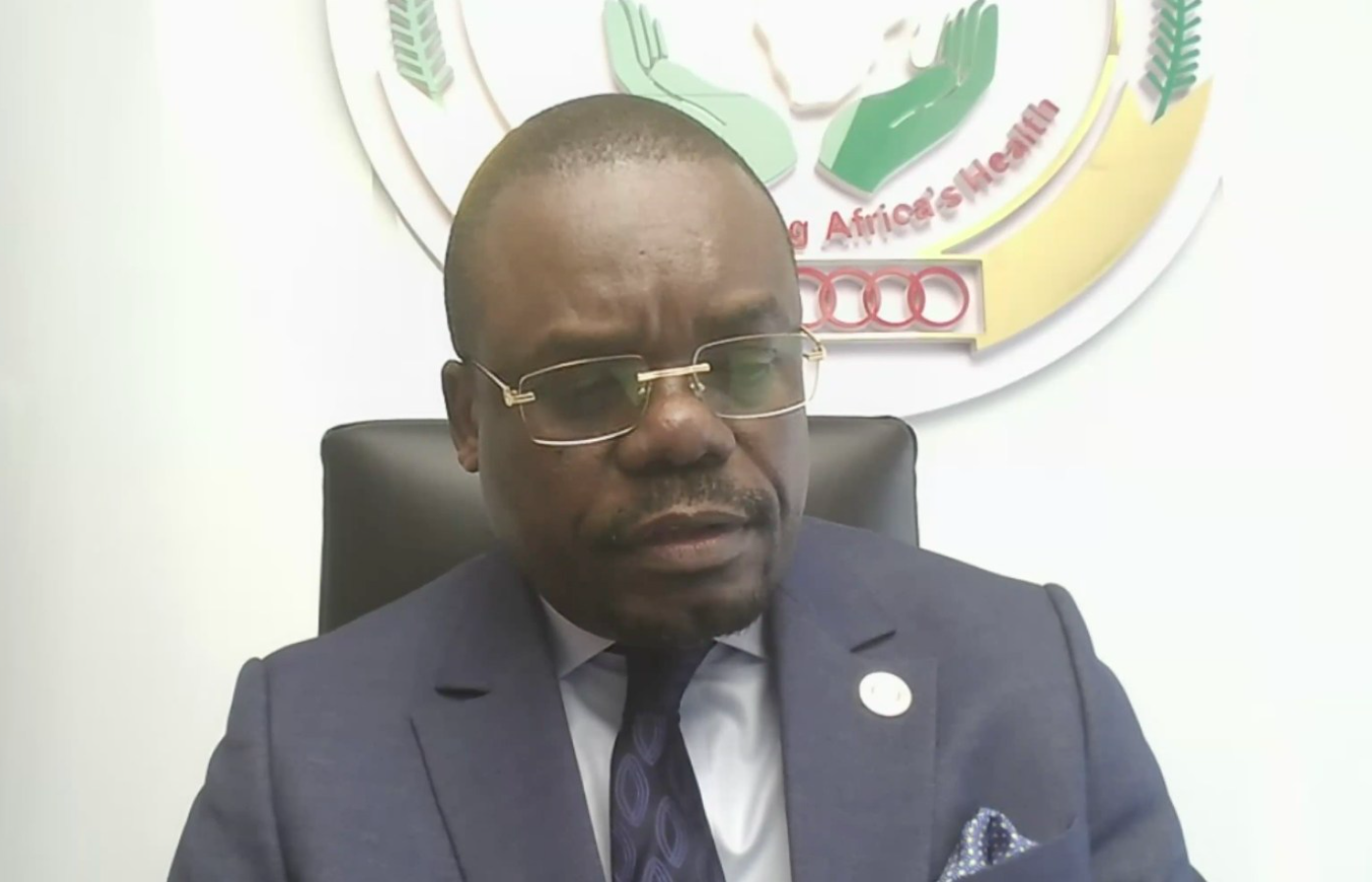
Africa CDC Director-General Jean Kaseya said the next phase of the response will focus on validating pledges and ensuring funds are directed toward priority interventions through the Incident Management Support Team.
South African President Cyril Ramaphosa said African governments had already contributed about 10 percent of required financing through domestic resources, adding that South Africa had doubled its pledge to 5 million US dollars.
Additional commitments included 5 million US dollars from the Bill & Melinda Gates Foundation and 10 million US dollars to the World Health Organization.
Tedros Adhanom Ghebreyesus said health authorities were still responding to a rapidly evolving outbreak following delayed detection in eastern Democratic Republic of the Congo. The World Health Organization has released 3.9 million US dollars from its emergency contingency fund.
“We know this virus, and we know how to stop it,” he said, warning that conditions could worsen before improving.
African Union Commission Chairperson Mahmoud Ali Youssouf said the outbreak highlights persistent gaps in surveillance systems, emergency operations centres, laboratory capacity and local manufacturing.
The response is being complicated by insecurity, displacement and attacks on health facilities in eastern Democratic Republic of the Congo, alongside limited laboratory capacity and the absence of approved vaccines or therapeutics for the Bundibugyo strain.
Sania Nishtar said efforts are under way to accelerate vaccine research and preparedness, while stressing the importance of equitable access once medical tools become available.
Health officials from Somalia, Nigeria, Egypt and Burundi called for stronger cross-border coordination, surveillance and laboratory systems, citing high regional mobility as a key transmission risk factor.




