

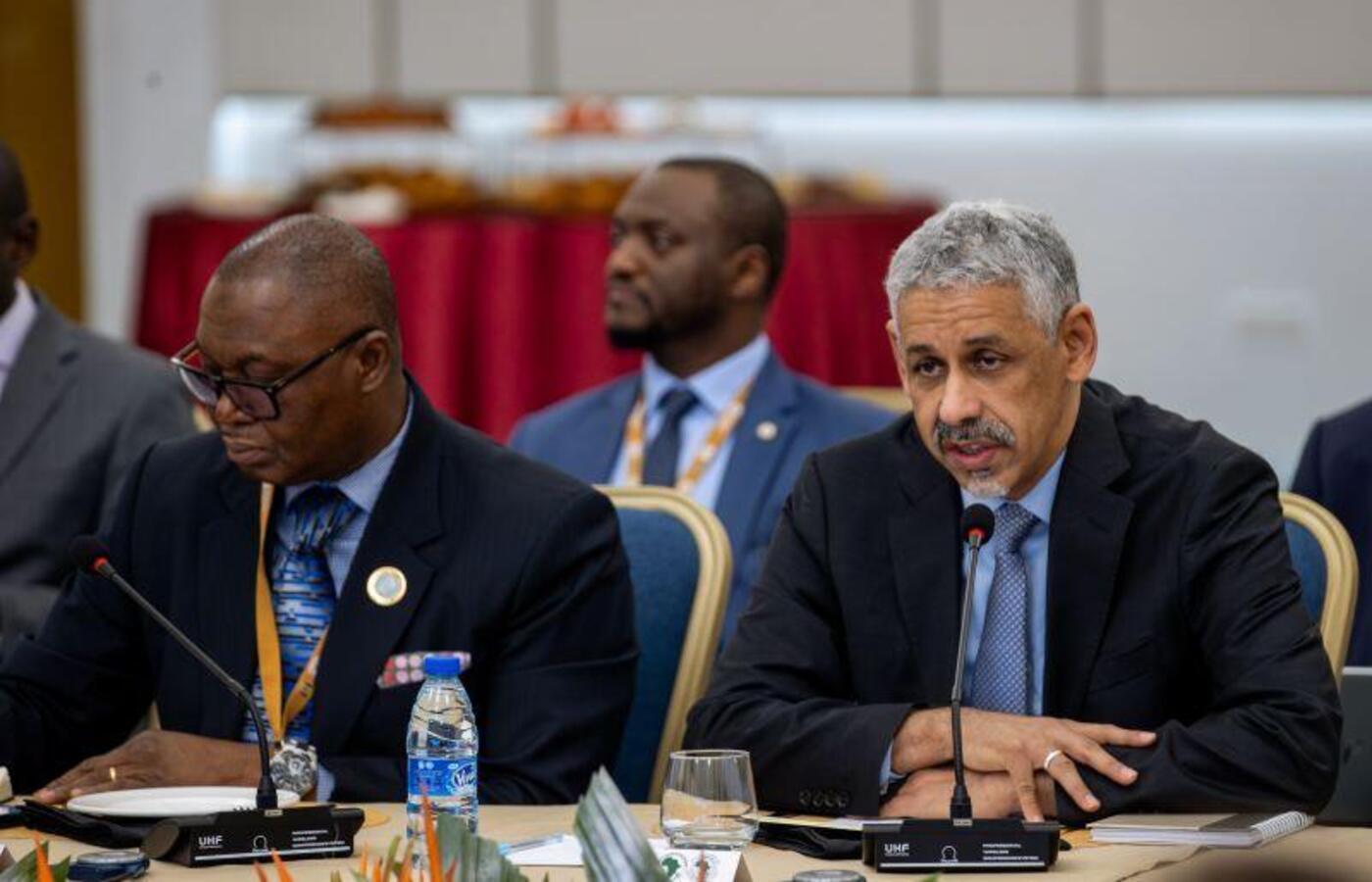
The African Development Bank (AfDB) has launched a 7 billion US dollars initiative aimed at modernising Africa’s aviation sector, as governments and investors seek to address persistent gaps in air connectivity and infrastructure across the continent.
The programme, called the Integrated Aviation Transformation Programme (IATP), was unveiled at AfDB’s annual meetings in Brazzaville, Republic of Congo, on 2 June. It brings together development finance institutions, private investors and governments in an effort to mobilise capital and reduce risks linked to aviation investment.
Spanning five years, the initiative will finance aircraft fleet renewal, airport rehabilitation, logistics systems and improved links between airports and wider transport networks.
AfDB President Sidi Ould Tah said the continent needed stronger aviation capacity to support regional integration and the African Continental Free Trade Area, a flagship trade agreement designed to deepen economic ties across Africa.
Mike Salawou, AfDB director of infrastructure and urban development, said only 19 percent of intra-African flights are currently operated by African carriers, with much of the market served by non-African airlines. He said structural inefficiencies in the sector cost the continent between 50 billion US dollars and 100 billion US dollars annually.
Japan has pledged 10 million US dollars to support a risk-sharing facility under the programme, aimed at lowering financing costs for aircraft purchases and leasing by African airlines.
Nigeria signed the first national compact under the IATP framework during the launch, while calling for expanded leasing mechanisms to help domestic carriers access newer aircraft.
Officials from Senegal, Cameroon, Guinea and Tanzania also expressed support, highlighting the need for coordinated financing tools and stronger public-private partnerships to address long-standing investment constraints in aviation.
The aviation initiative was announced alongside a separate AfDB-backed facility focused on medical equipment and medicines, designed to improve supply chains for health systems across the continent.
Salawou said aviation investment would have broader spillover effects beyond transport, including faster movement of medical supplies, vaccines and emergency equipment across borders.




