

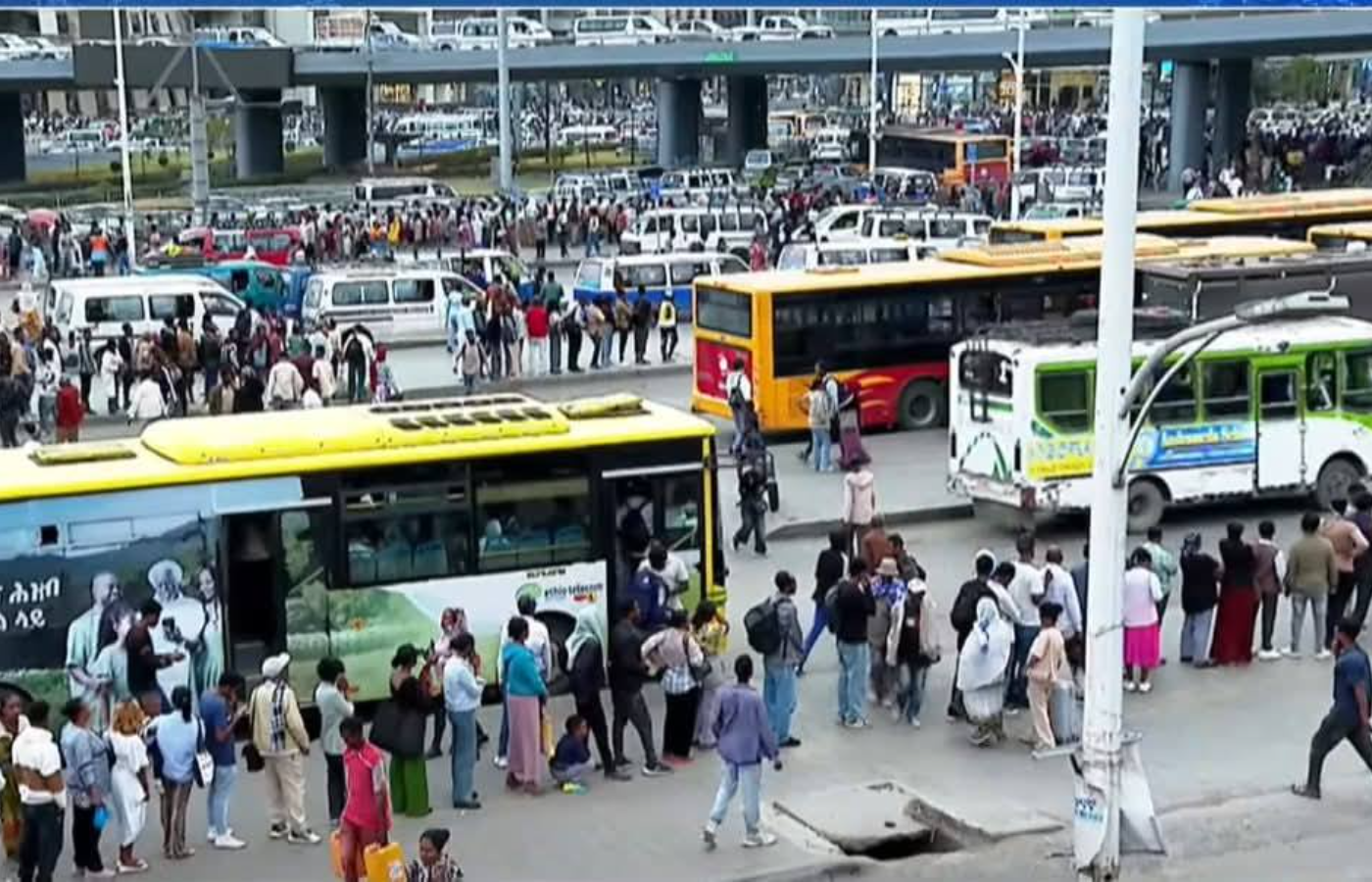
The Ministry of Transport and Logistics has lowered initial fleet requirements for commercial bus operators while extending the timeline for mandatory fleet expansion, under a new regulatory framework that reshapes entry conditions and long-term compliance in the public transport sector.
The reforms are contained in Directive No. 1136/2026 issued in May, which amends Directive No. 984/2024.
Under the previous framework, operators across different licensing categories were required to enter the market with relatively high initial fleet sizes, in some cases reaching up to 30 vehicles depending on ownership structure and service level. The system also imposed tightly sequenced early-stage fleet renewal obligations, alongside strict vehicle age limits reaching up to 28 years in lower tiers and lower caps in higher service categories.
The new directive, signed by Transport and Logistics Minister Alemu Sime, reduces those entry thresholds in several categories, allowing operators to begin with as few as three, five, 10 or 15 vehicles depending on service type. The adjustment lowers the upfront capital burden for market entry but preserves a structured growth path over time.
Despite the reduced entry requirement, operators are now subject to a longer expansion cycle. The directive requires firms to progressively add new “zero-year-old” vehicles over a four-year period, with fleet sizes expected to reach between six and 24 vehicles depending on category.
From the fifth year onwards, operators must generally continue adding at least one new vehicle annually, embedding a rolling renewal system intended to sustain younger fleets and maintain service standards over time.
The regulation also introduces conditional flexibility for early compliance. Operators that meet or exceed their initial fleet requirements using new vehicles in the first year may be exempt from further registration obligations for up to three years. However, they remain bound to resume annual vehicle additions from the fifth year.
Leasing provisions have also been formalised, allowing operators to supplement registered fleets with hired vehicles under certified agreements. These leased units must meet age and capacity requirements, typically ranging between 12 and 28 years depending on category, and must generally provide seating for at least 45 passengers.
Alongside fleet rules, the directive sets a structured fare system that fixes price gaps between service levels. Level 2 fares are set 15 percent below Level 1, while Level 3 fares are 10 percent lower than Level 2, creating a 25 percent difference between the highest and lowest tiers.
Operators are required to align all tariffs with these bands, reducing pricing discretion and standardising fare structures across the sector.
The directive also maintains broader regulatory provisions from the earlier framework, including digital monitoring requirements, monthly reporting obligations, safety compliance plans and enforcement powers allowing the ministry to downgrade or revoke licences following warnings.
The rules will take effect after registration by the Ministry of Justice and publication on the Ministry of Transport and Logistics’ official platforms.




