

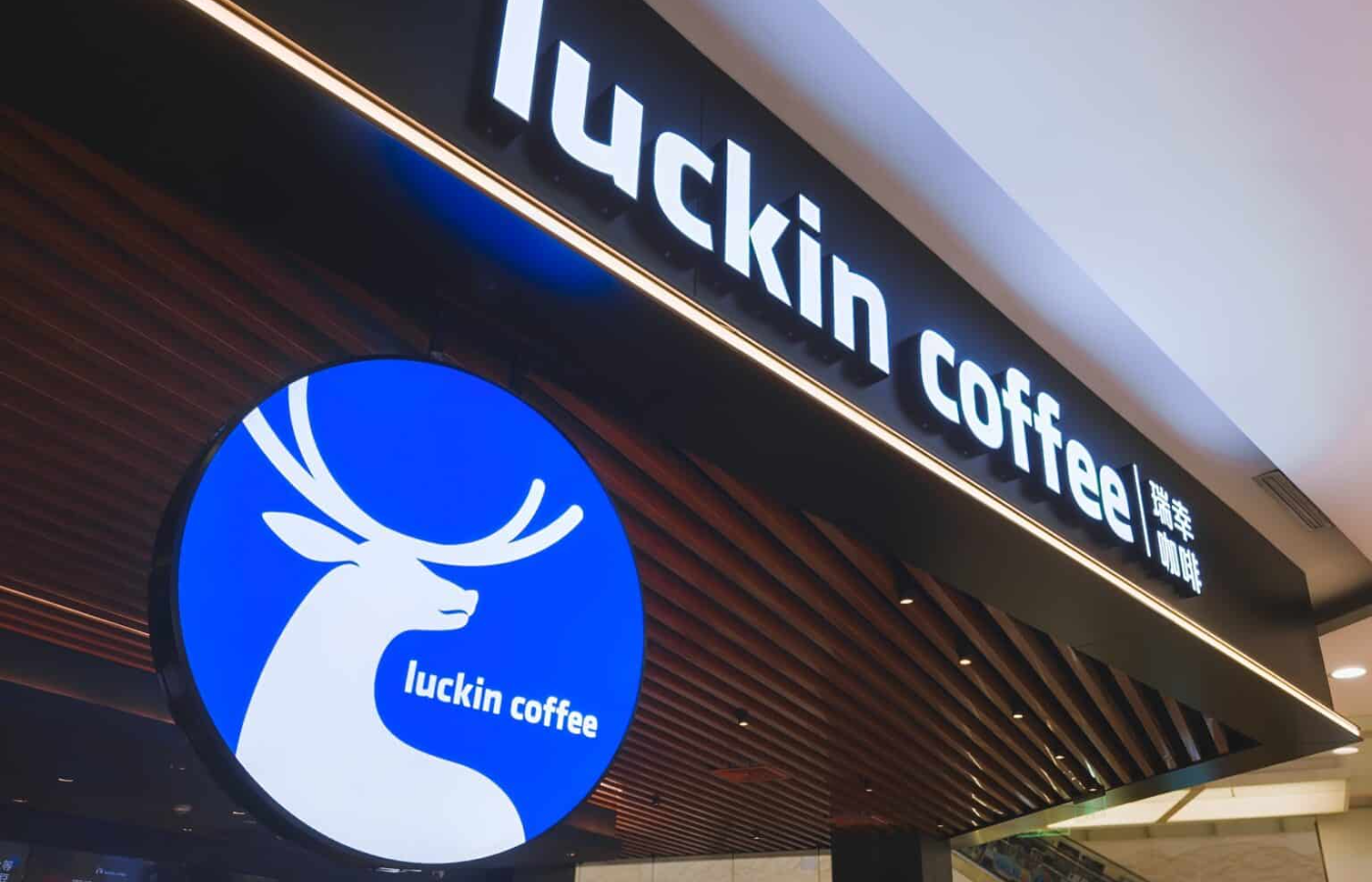
Chinese beverage chain Luckin Coffee said cumulative sales from its non-coffee beverage business had surpassed 20 billion yuan as of May 31, 2026, as the company deepened sourcing operations in coffee-producing countries including Ethiopia to support its rapidly expanding beverage portfolio.
The company said its global store network had exceeded 35,000 outlets, while 22 beverage products had each recorded cumulative sales of more than 100 million cups, highlighting growing demand beyond its core coffee business.
Luckin identified Ethiopia among its major sourcing origins alongside Brazil, Indonesia and China’s Yunnan and Guangxi provinces, where it procures coffee beans and other raw materials used across its beverage lineup.
The company has expanded its procurement footprint in Ethiopia in recent years as part of a broader global sourcing strategy launched in 2023. Ethiopian beans, including premium Yirgacheffe and Gesha varieties, have increasingly featured in Luckin’s single-origin and specialty coffee offerings sold across China.
Luckin’s Coconut Latte remained its best-selling beverage with cumulative sales surpassing 2.1 billion cups, while Orange Americano exceeded 500 million cups sold. Light Jasmine Milk Tea recorded more than 400 million cups in sales, followed by Little Butter Latte with nearly 300 million cups and Active Apple Kale Tea with more than 100 million cups sold.
The company said it continued investing in supply chain and manufacturing infrastructure to support large-scale beverage production and distribution. Its operations include a green coffee bean processing plant in Baoshan, Yunnan province, as well as roasting centres in Qingdao, Kunshan, Pingnan and Xiamen.
Luckin said the integrated network covering ingredient sourcing, processing, product development and digital distribution had strengthened its ability to scale products across multiple beverage categories as competition intensifies in China’s freshly made drinks market.
The company added that coffee and tea chains in China were increasingly diversifying beyond traditional product categories, with operational scale, sourcing capabilities and product innovation emerging as key competitive factors across the sector.




