

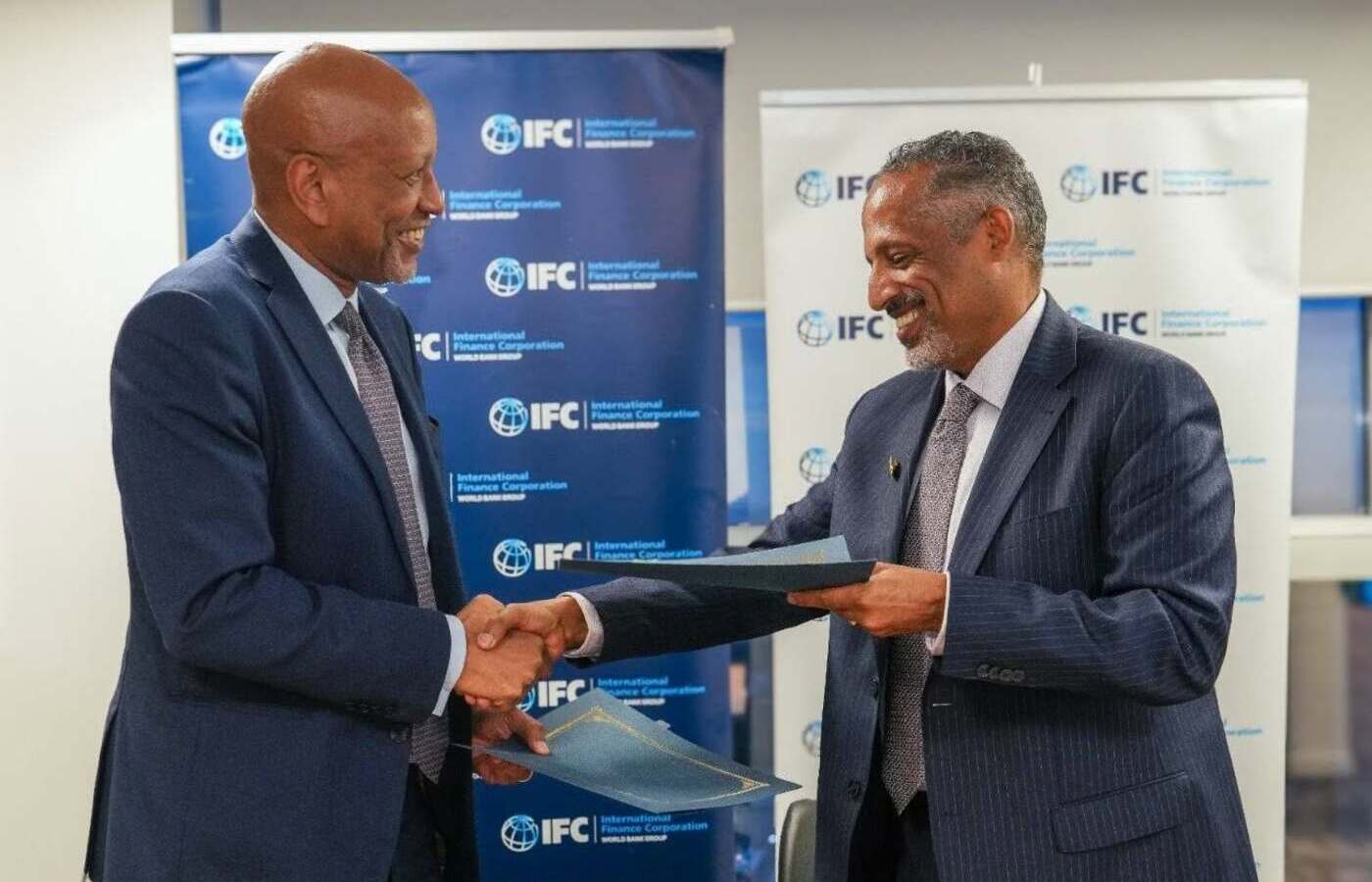
MIDROC Investment Group has secured 80 million US dollars from the International Finance Corporation (IFC) to refurbish Sheraton Addis and build a new luxury hotel in the capital, as Ethiopia’s largest private conglomerate doubles down on high-end hospitality at a time of sweeping economic reform.
The agreement, signed in Nairobi by MIDROC chief executive Jemal Ahmed and IFC vice president for Africa Ethiopis Tafara, closes a financing process that had been under consideration by the World Bank’s private-sector lending arm since January.
The money will fund the modernisation of Sheraton Addis, long the symbolic centrepiece of Ethiopia’s luxury hospitality industry, while also financing a new hotel developed to Sheraton standards in Addis Ababa.
The investment comes as Ethiopia attempts to reposition Addis Ababa as a more competitive destination for conferences, diplomatic gatherings and business travel, even as foreign exchange shortages, rising operating costs and economic reforms continue to test the private sector.
For MIDROC, the financing signals a deeper move into hospitality at a moment when international hotel brands are expanding cautiously across Africa’s fast-growing capitals. The group has steadily assembled one of the country’s largest hotel portfolios, spanning Sheraton Addis, Westin Addis and several Marriott-affiliated properties in regional cities.
It has also taken over the historic Wabi Shebelle Hotel, which is being redeveloped under Marriott International’s Autograph Collection brand, while branching into eco-tourism through the recently inaugurated Denbi Eco Lodge.
Sheraton Addis occupies a singular place in Ethiopia’s modern economic history. Opened in 1998, the hotel became one of the first visible symbols of large-scale private investment in post-Derg Ethiopia, hosting heads of state, African Union summits and generations of diplomats, executives and investors passing through the capital.
IFC said the financing is intended to expand hospitality capacity and support employment, as Addis Ababa faces rising competition from other African cities seeking a larger share of conference and business tourism.




