

The Addis Ababa Drivers and Vehicles Licensing and Control Authority has begun issuing Ethiopia’s new standardised vehicle plates, bringing the country’s long-planned registration overhaul from policy into the streets of the capital.
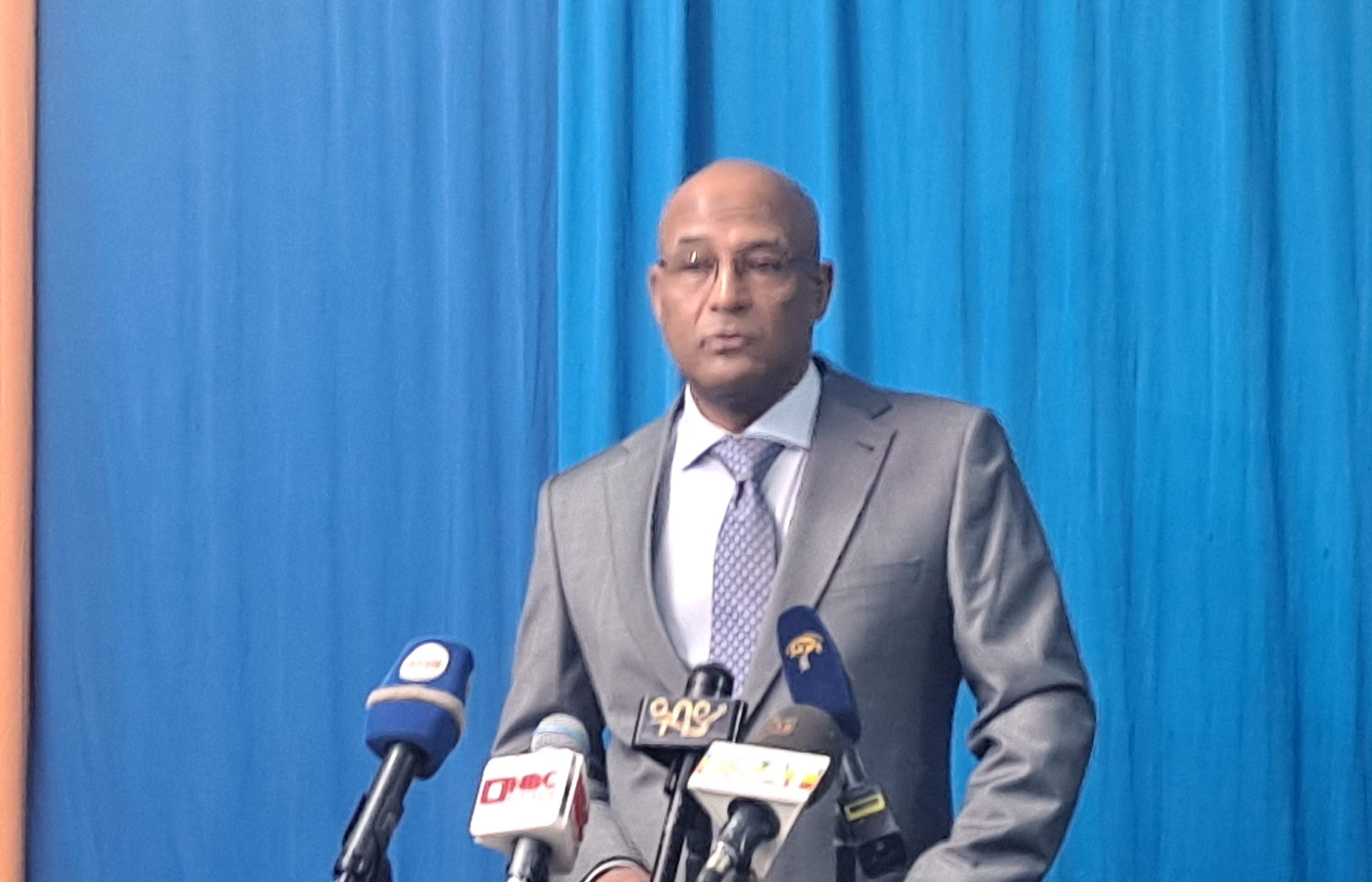
The authority launched the rollout on Thursday across its 11 branches after briefing reporters at its headquarters in Addis Ababa.
Zegeye Belayneh, director-general of the authority, said the previous plate system was vulnerable to damage, difficult to produce and distribute, and exposed to forgery.
Under the new system, vehicles will carry a uniform format featuring the national identifier "ETH" and the Ge'ez inscription "ኢት", alongside alphanumeric sequences, replacing the regional plate codes that have been used for decades. Officials said the previous "ET" designation was not recognised under the Vienna Convention because the code had already been assigned to Egypt.
The new plates incorporate Radio Frequency Identification (RFID) technology, QR codes and dedicated classifications for environmentally friendly vehicles. Authorities said each plate will remain with a vehicle throughout its operational life and will enable regulators to access vehicle information through a centralised system shared across major regions.
Officials said the technology-backed system is intended to address longstanding concerns over plate duplication, illegal activities and administrative inefficiencies associated with the previous registration framework.
At the Bole Sub-city branch visited by BirrMetrics on Thursday, dozens of vehicle owners queued to obtain the new plates following months of anticipation after the federal government's announcement. Taye Dibaba, the bureau's director, said about 100 vehicle owners had already registered at the branch for the new plates.
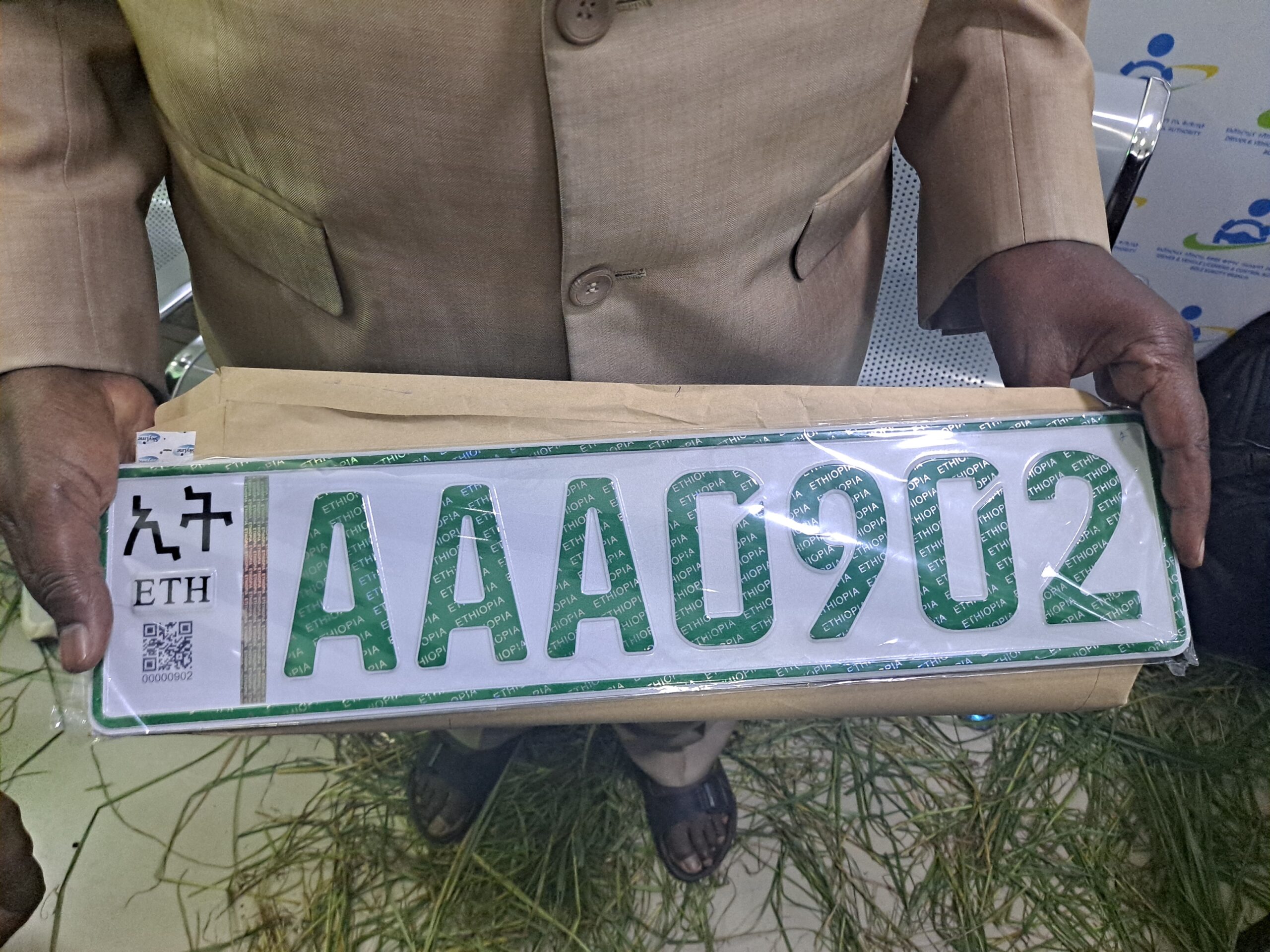
According to the tariff schedule, private vehicles powered by fuel will pay 56,000 birr, while electric vehicles will pay 44,500 birr. Public transport vehicles will pay 11,000 birr.
The authority said the initial phase is focused on newly registered vehicles. Addis Ababa currently has about 800,000 registered vehicles, according to the authority. More than 1,000 vehicles have already been registered to receive the new plates, while details on future phases and deadlines for existing vehicle owners will be announced later.
The Ministry of Transport and Logistics first unveiled the new plate system in October, when Transport Minister Alemu Sime (PhD) and State Minister Bareo Hassen outlined plans for a nationwide rollout.
At the time, officials said the replacement process would begin within two months. However, Assefa Hadis, head of Transport Service Supervision at the ministry, said implementation was delayed by system deployment challenges and repeated technical adjustments.
Assefa said regional states would begin issuing the new plates once they complete preparations. The ministry has already imported around four million plates produced by a Chinese company, whose name he declined to disclose.
Future production will be undertaken domestically by the Ethiopian Public Service, he added.
The rollout is among the first major implementations of Directive No. 1050/2025, introduced by the Ministry of Transport and Logistics to replace Ethiopia's region-based registration system with a unified national platform.




