

Ethiopia has earmarked 542.1 billion birr (3.4 billion US dollars) for debt servicing in its 2026/27 draft federal budget, underscoring how repayment obligations are taking up an increasingly large share of public spending as the government advances a record 2.3 trillion birr fiscal proposal.
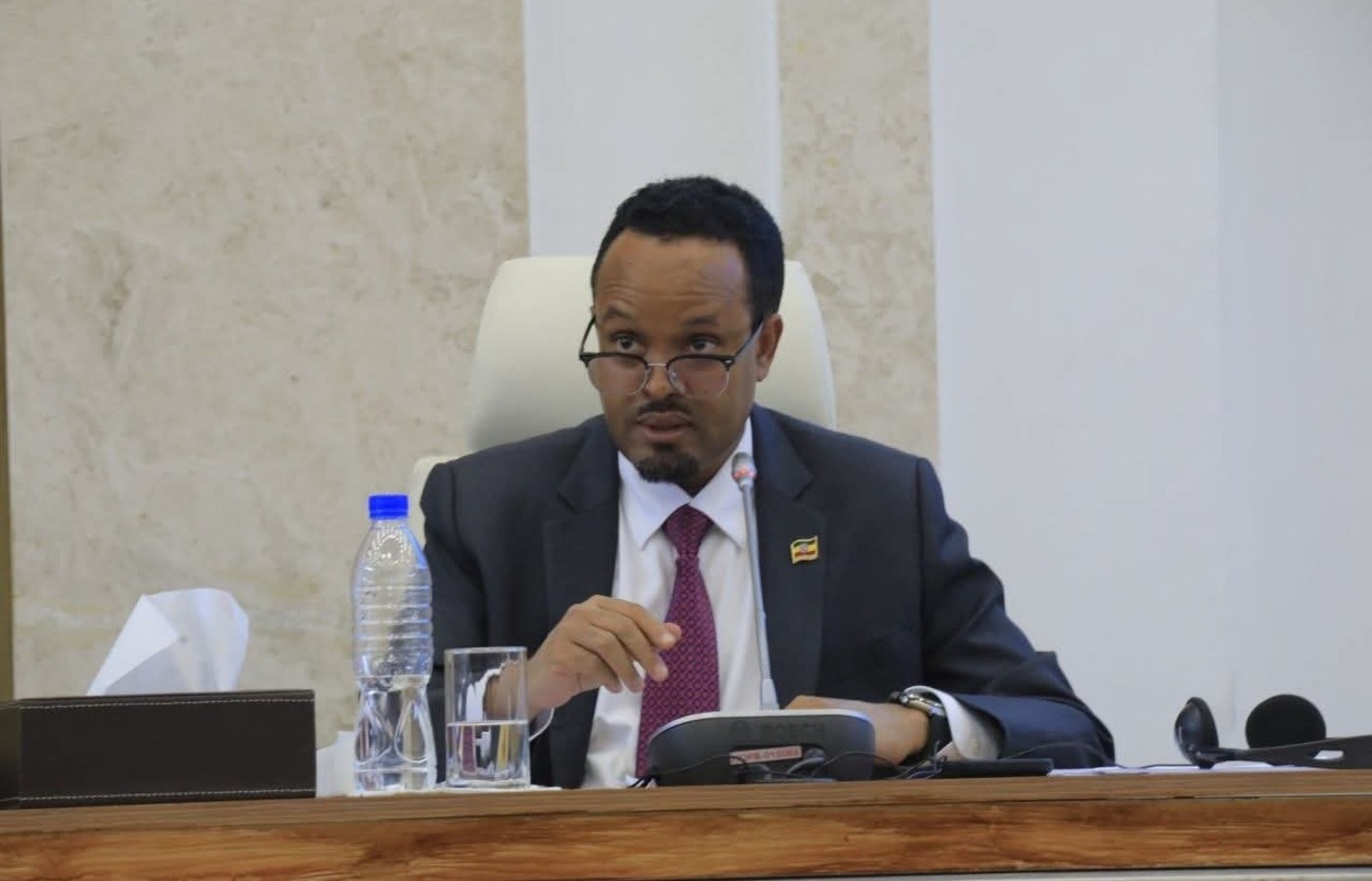
The allocation was presented to the House of Peoples’ Representatives by Finance Minister Ahmed Shide as part of a budget framework shaped by rising spending needs, debt restructuring talks, currency pressures and an ambitious 10.1 percent economic growth target.
The proposal comes at a delicate moment for Ethiopia’s public finances. The country is implementing a reform programme backed by the International Monetary Fund, working to restore external debt sustainability, liberalise parts of the foreign exchange market and conclude negotiations with creditors after years of pressure from foreign exchange shortages, conflict-related spending, inflation and external debt distress.
Debt service is now one of the most dominant items in the budget. It accounts for 43.8 percent of recurrent expenditure and 59.9 percent of a broader 904.6 billion birr allocation covering reserves and other payments. Officials said the actual repayment requirement stands at 581.1 billion birr, leaving a financing gap of about 39 billion birr.
The latest provision also marks a notable increase from the 463.4 billion birr allocated for debt servicing in the 2025/26 fiscal year. The rise reflects not only Ethiopia’s heavy borrowing profile, but also the fiscal impact of a weaker birr, which raises the local-currency cost of external obligations.
The pressure is particularly important because Ethiopia is still trying to resolve its external debt restructuring process. The country defaulted on its one billion US dollars Eurobond in late 2023 and has since been negotiating with bondholders and official creditors under a broader effort to restore debt sustainability. The budget therefore arrives not simply as an annual spending plan, but as a signal of how much fiscal space remains after debt obligations are met.
Total revenue and grants are projected at 1.82 trillion birr, while total expenditure is expected to rise by 21.3 percent year on year. Tax revenue is expected to generate about 1.5 trillion birr, or roughly 82 percent of total revenue, showing the government’s continued dependence on domestic revenue mobilisation.
Major tax sources include 97.3 billion birr from withholding tax on salaries, 427.5 billion birr from domestic direct taxes, 263 billion birr from corporate income tax and 278 billion birr from indirect taxes. Value added tax from local goods and services is projected at 339 billion birr.
On the spending side, recurrent expenditure is projected at 1.2 trillion birr, while capital expenditure is set at 568 billion birr. Subsidies, including fertiliser and fuel support as well as the recapitalisation of the Ethiopian Fuel Enterprise, are allocated 236.4 billion birr, highlighting the continued fiscal burden of shielding key sectors and consumers from price shocks.
Budget support to federal and regional administrations is set at 520.6 billion birr, with an additional 14 billion birr allocated for regional implementation of the Sustainable Development Goals.
Despite the expansion in total spending, the government projects a net federal budget deficit of 308.6 billion birr, equivalent to 1.4 percent of gross domestic product based on an estimated GDP of about 22 trillion birr. Financing is expected to come mainly from domestic borrowing of 302.9 billion birr, with only 5.7 billion birr expected from external sources.
That financing mix points to another policy challenge. As external borrowing remains constrained by debt negotiations and creditor caution, the government will continue to rely heavily on domestic sources to close its budget gap.
This could intensify competition for local financing unless revenue performance improves and debt restructuring delivers meaningful relief.
The Council of Ministers has approved the draft budget and forwarded it to Parliament for review.
Lawmakers are now expected to deliberate on a fiscal plan that seeks to balance growth ambitions with rising repayment costs, subsidy pressures, limited external financing and the need to preserve space for development spending.




