

Preliminary agreement to halt hostilities raises prospects of renewed energy flows, while negotiations over Tehran's nuclear programme and sanctions relief remain unresolved.
Oil prices fell sharply and global markets rallied on Monday after Washington and Tehran announced a preliminary agreement to end months of conflict and reopen the Strait of Hormuz, easing concerns over disruptions to one of the world's most important energy shipping routes.
Brent crude dropped more than 4 per cent in early trading as investors responded to signs that oil and gas shipments through the strategic waterway could resume after months of restrictions that had unsettled global energy markets and raised shipping costs.
The framework agreement, described by both sides as a first step towards a broader settlement, marks the most significant diplomatic breakthrough since fighting erupted following joint US-Israeli strikes on Iran in February. The conflict has killed thousands, displaced large numbers of civilians across the region and heightened fears of a wider Middle East war.
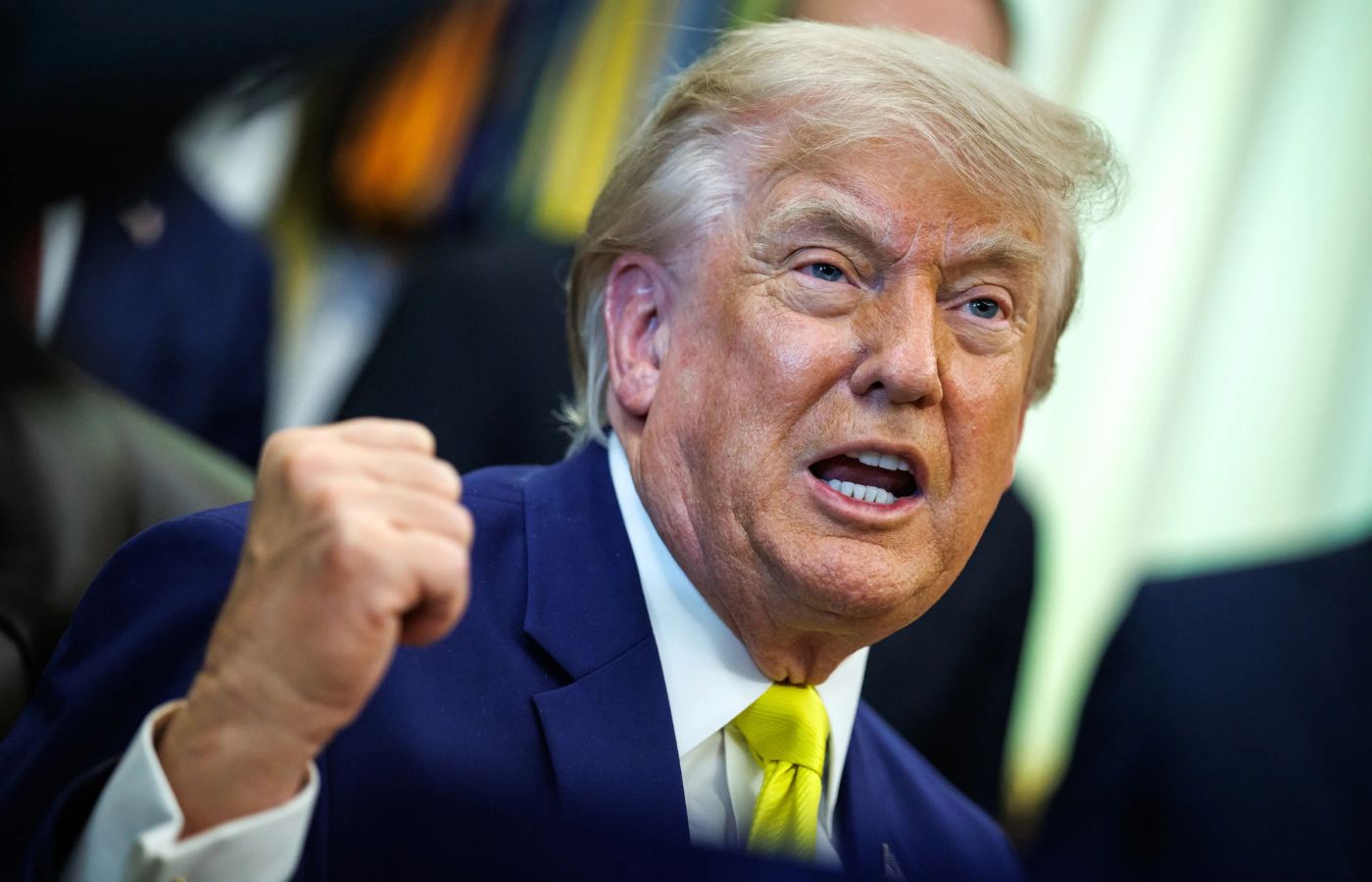
US President Donald Trump said the agreement would include the reopening of the Strait of Hormuz and an end to the US blockade of Iranian ports. Pakistani Prime Minister Shehbaz Sharif, whose government helped facilitate negotiations, said a memorandum of understanding had been reached and was scheduled to be formally signed in Switzerland later this week.
The Strait of Hormuz handles roughly a fifth of global oil consumption and serves as a critical transit route for crude exports from Saudi Arabia, Iraq, the United Arab Emirates, Kuwait and Iran. Any disruption to traffic through the passage has historically triggered volatility across global energy markets.
While the announcement reduced immediate concerns about supply shortages, major issues remain unresolved. Iranian and US officials indicated that negotiations over Tehran's nuclear programme, sanctions relief and longer-term regional security arrangements would continue during a proposed 60-day ceasefire period.
Iran's deputy foreign minister, Kazem Gharibabadi, said broader talks would address the wider conflict and economic restrictions imposed on Tehran. Iranian officials have also linked future progress to sanctions relief and the release of frozen overseas assets.
The future of Iran's nuclear programme remains one of the most contentious issues. The Trump administration has maintained that any final agreement must lead to the dismantling of Iran's nuclear capabilities, while Iranian officials have insisted that the country retains the right to pursue a civilian nuclear programme.
The ceasefire framework also seeks to halt military operations across the region, including in Lebanon, where fighting between Israel and the Iran-backed Hezbollah movement has caused extensive casualties and displacement. Lebanon has emerged as one of the most difficult aspects of negotiations, with Israeli and Hezbollah forces continuing exchanges despite repeated international calls for restraint.
Iranian Foreign Minister Abbas Araqchi said a complete cessation of Israeli military operations in Lebanon would be necessary for the agreement to hold. Israel, however, has signalled it intends to maintain operational freedom in southern Lebanon, highlighting the challenges that could complicate implementation of the deal.
The agreement arrives at a politically sensitive moment for Washington. Rising fuel prices and concerns over energy security have become increasingly prominent ahead of US midterm elections, while divisions have emerged within Trump's Republican Party over the administration's approach towards Iran.
European governments welcomed the breakthrough. Britain, France, Germany and Italy said they were prepared to consider easing sanctions if Iran takes verifiable steps to limit its nuclear activities, while China also expressed support for the agreement.
Markets reacted positively to the prospect of reduced geopolitical risk. Beyond the decline in oil prices, equity markets advanced and investors moved away from defensive assets as expectations grew that energy supplies could stabilise after months of uncertainty.




