

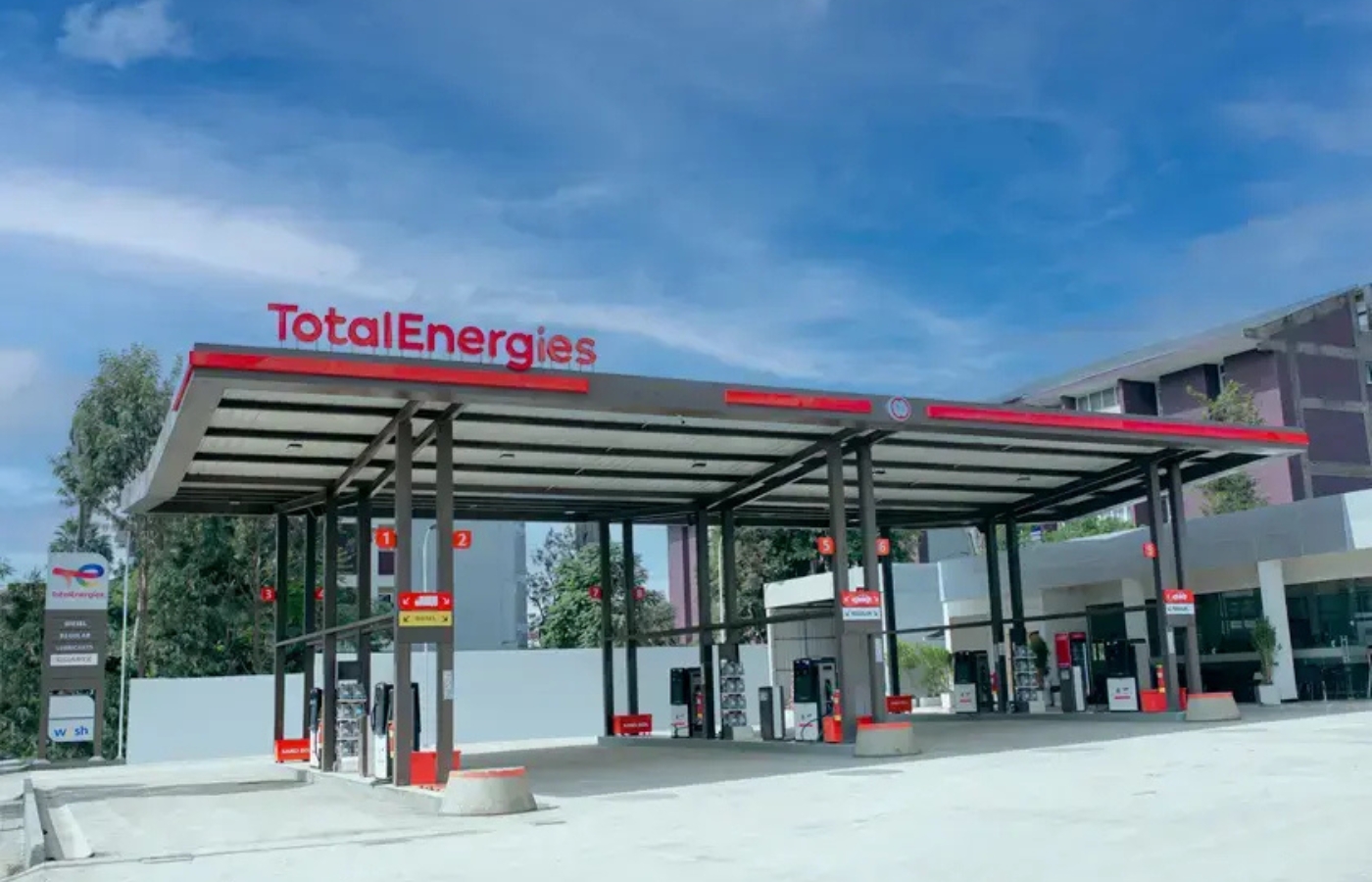
TotalEnergies is reportedly preparing to exit Ethiopia’s fuel retail market by selling its local service station network to OLA Energy, formerly OiLibya, in a transaction that would reshape one of the country’s largest downstream petroleum businesses.
According to Africa Business, the French energy major has reached an agreement to sell its Ethiopian network of around 120 service stations to the pan-African fuel retailer. The value of the transaction has not been disclosed, and neither TotalEnergies nor OLA Energy has publicly confirmed the deal.
If completed, the sale would mark a major shift in Ethiopia’s fuel distribution market, where TotalEnergies has operated for decades and remains one of the country’s most visible fuel retail brands. The company says it has been marketing products and services in Ethiopia since 1950, serving retail customers through service stations as well as business customers through petroleum, petrochemical and specialty products.
TotalEnergies’ own public materials give different figures for the size of its Ethiopian network. Its global country profile lists about 120 service stations and describes the company as the country’s third-largest fuel retailer, while TotalEnergies Marketing Ethiopia’s local website says it operates 143 service stations offering fuel sales, oil change, tyre service, car wash, café and mini-shop services.
The reported buyer, OLA Energy, is already one of Ethiopia’s established fuel marketers. The company operates across African growth markets and says its pan-African retail business includes 1,350 service stations, 175 convenience stores and 161 cafés and restaurants.
The potential sale comes as TotalEnergies continues to rationalise parts of its global retail network. The company has previously sold or reduced exposure to service station businesses in several markets, including Brazil, Pakistan and parts of Europe, while saying its marketing and services strategy is focused on high-market-share geographies and improved returns.
In Ethiopia, the deal would further consolidate the position of OLA Energy in a market dominated by a small group of large distributors, including National Oil Ethiopia, OLA Energy, TotalEnergies and Yetebaberut. The sector has become increasingly important as Ethiopia continues to face high fuel import costs, periodic retail price adjustments and tighter regulation over fuel distribution and digital payments at stations.
The transaction, if formally announced and approved by regulators, would also represent another step in the gradual retreat of foreign oil majors from parts of Africa’s conventional fuel retail business, even as demand for petroleum products remains closely tied to transport, logistics and industrial activity.
For now, the sale remains unconfirmed publicly by the two companies. But if finalized, it would transfer one of Ethiopia’s most recognizable international fuel station networks to an operator that already has a large footprint in the country and across the continent.




