

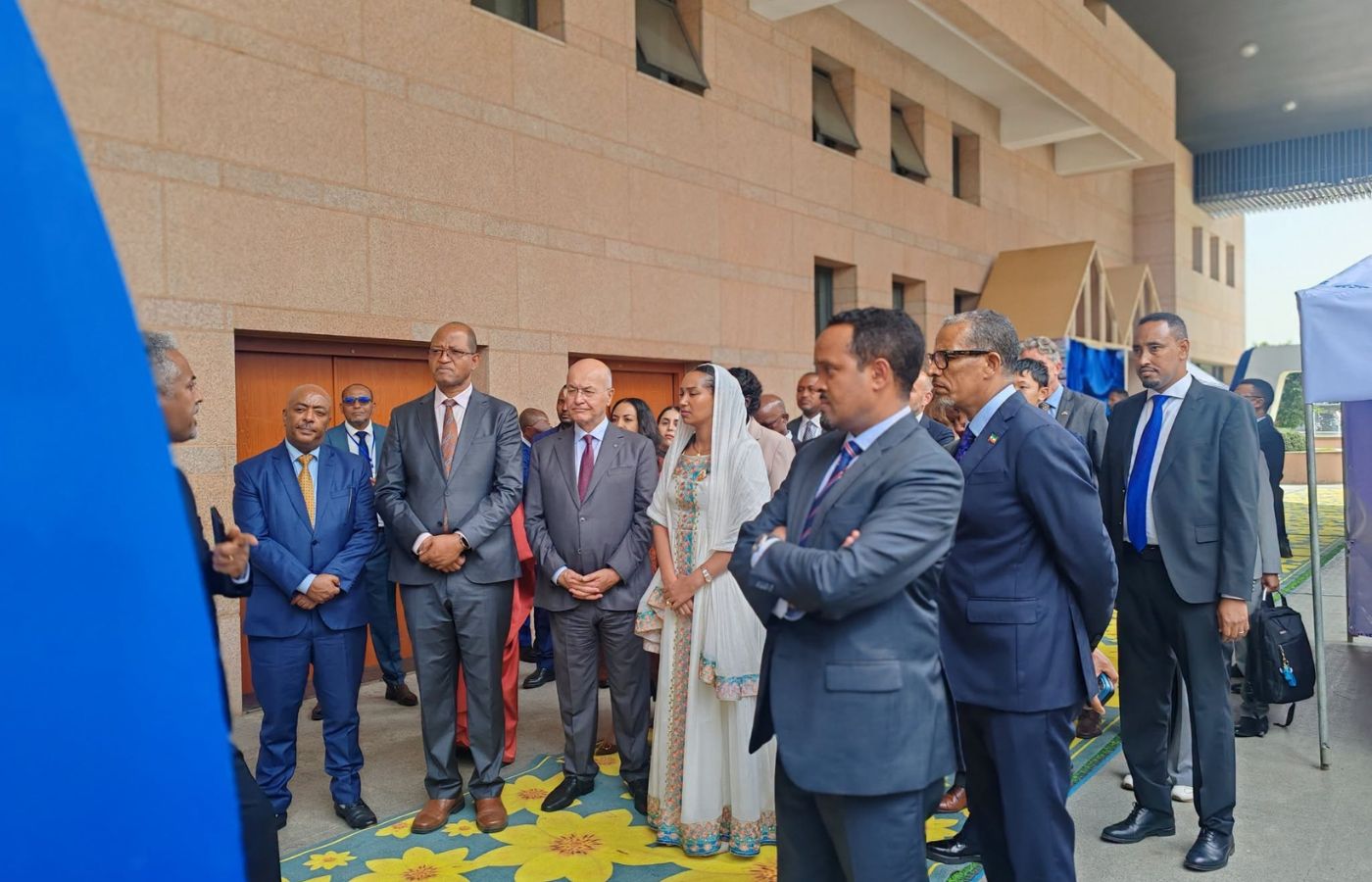
Ethiopia has launched a new framework aimed at integrating refugees into national systems and local economies, shifting its approach from emergency assistance toward longer-term development planning.
The Makatet Roadmap, launched in Addis Ababa, seeks to transform traditional refugee settlements into integrated communities connected to government services while expanding access to livelihoods and economic opportunities for refugees and host communities.
The framework was developed through a collaboration between federal and regional institutions, development partners, UN agencies, civil society organisations and refugee representatives.
The policy shift comes as Ethiopia hosts more than 1.1 million refugees and asylum-seekers, including tens of thousands of people who have fled conflict in neighbouring Sudan since April 2023.
The move also comes amid growing pressure on humanitarian financing, with UN agencies warning that funding shortages are affecting refugee operations globally and limiting the ability to expand longer-term solutions. In Ethiopia, UNHCR and partners have previously warned that funding gaps threatened assistance programmes for refugees and host communities.
At the launch event, Refugees and Returnees Service Director-General Teyiba Hassen said the roadmap represented a shift from fragmented humanitarian responses toward coordinated planning.
"Today, we moved beyond encampment toward comprehensive town masterplans and integrated, shared services," she said.
Finance Minister Ahmed Shide said embedding refugee support within domestic systems would improve resource efficiency and strengthen economic resilience.
"Sustainable economic resilience cannot be built in isolation," Shide said. "With the launch of the Makatet Roadmap, the Government of Ethiopia transitioned from short-term humanitarian management to an inclusive development model that treats refugees as active contributors to our national growth."
The roadmap focuses on linking refugee-hosting areas with wider development planning, including access to services, documentation and livelihoods.
For Ethiopia, which has hosted large refugee populations from countries including Sudan, South Sudan, Somalia and Eritrea, the challenge will be moving from policy commitments to implementation, including financing, infrastructure and local capacity.
UN High Commissioner for Refugees Barham Salih said Ethiopia’s approach showed that refugee protection and national development could advance together.
"The Makatet Roadmap serves as a blueprint for translating that vision into practical action," Salih said.
The approach is already visible in places such as Ura settlement in Benishangul Gumuz Regional State, where more than 14,500 Sudanese refugees live alongside host communities. Refugees there have started businesses and participate in local economic activity.
Mohyadin Ahmed Mohammed Ali, a Sudanese refugee who fled Al Jazeera State, rebuilt his livelihood in Ura after arriving in Ethiopia. He started by collecting and selling plastic bags before opening a small shop selling food and household goods.
"When I came to Ethiopia, I got back to what I had been doing before," Ali said. "Business is getting better."




