

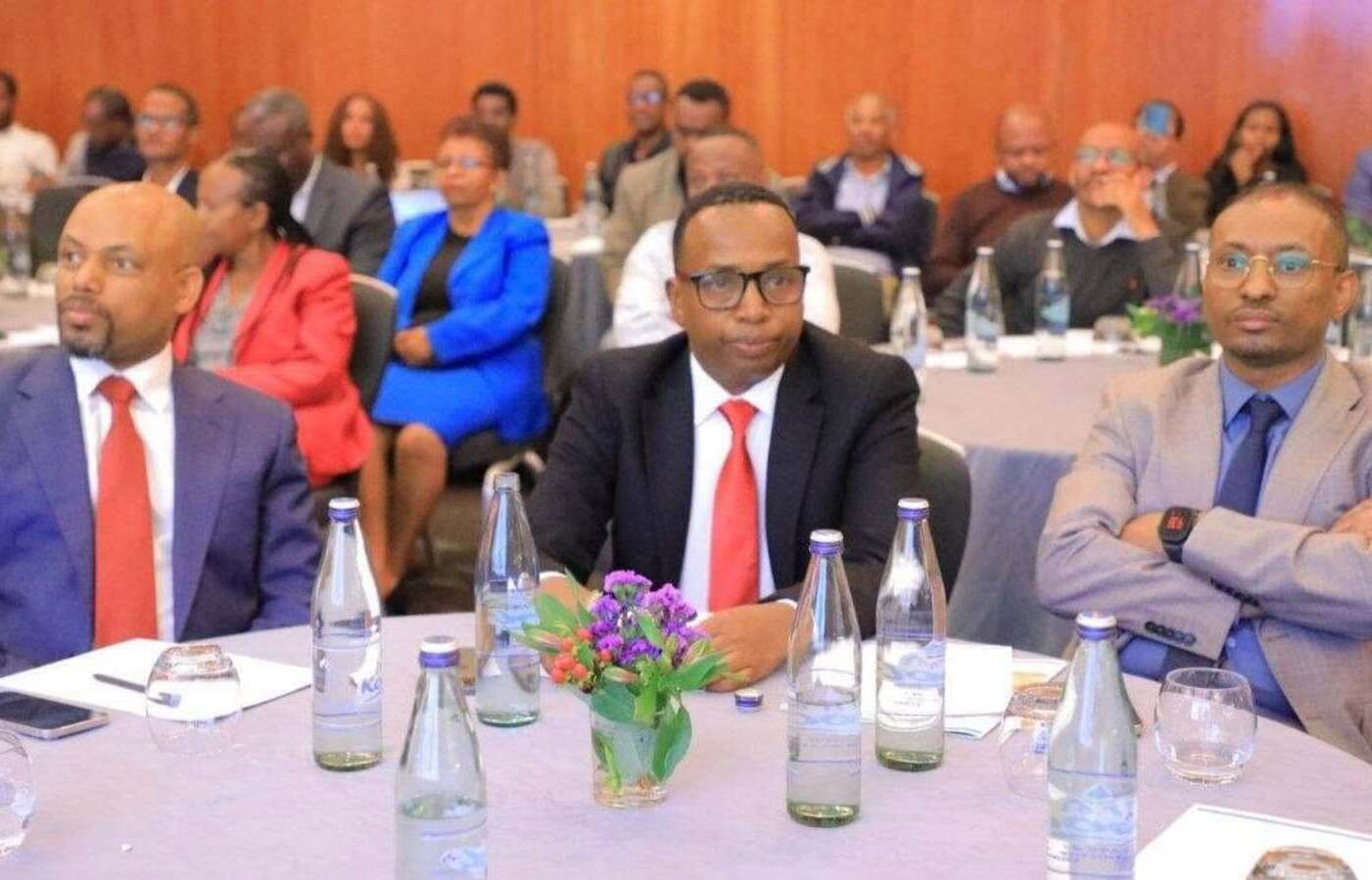
Ethiopia is preparing an electricity access strategy requiring more than 18 billion US dollars in investment as the government seeks to extend reliable power to the entire country by 2035 while expanding renewable energy generation and modernising the electricity network.
The Ministry of Water and Energy said the strategy is being developed under the third phase of the National Electrification Programme (NEP), which will guide investments in electricity generation, transmission and distribution over the coming decade.
Speaking at a national workshop on the programme's implementation, State Minister for Energy Development Sultan Woli said reliable and affordable electricity remains essential for Ethiopia's economic growth and broader development agenda. He said the third phase will prioritise expanding clean energy, strengthening the sector's resilience to climate change, increasing electricity access for productive economic activities and accelerating the digitalisation of the power sector.
The ministry said implementation of the new phase will require investment exceeding 18 billion US dollars, with the strategy designed to address financing and implementation gaps identified during the first two phases of the electrification programme.
Officials said the government is also reviewing Ethiopia's energy policy to encourage greater participation by private investors in electricity generation and related infrastructure, supporting broader efforts to mobilise capital for the sector.
The strategy comes as Ethiopia continues to expand its electricity infrastructure by increasing generation capacity and constructing new transmission and distribution networks to improve nationwide access.
Ashbir Balcha, chief executive of Ethiopian Electric Power, said construction of new power generation plants, transmission lines and substations would continue under the programme. Getu Geremew, chief executive of Ethiopian Electric Utility, said the government aims to provide electricity access across the country by 2035.
The strategy has been under preparation for more than a year, according to Mesfin Dabi, head of Electrification and Energy Information at the Ministry of Water and Energy, who said it will provide the long-term framework for implementing Ethiopia's national electrification agenda.
Ethiopia has one of Africa's largest renewable energy resources, with electricity generation dominated by hydropower and supported by growing investments in wind, solar and geothermal projects. While installed generation capacity has expanded in recent years, electricity access remains uneven, particularly in rural areas, prompting the government to pursue a combination of grid expansion and off-grid solutions under the National Electrification Programme.
The government is also seeking to strengthen regional electricity interconnections by increasing power exports to neighbouring countries through the Eastern Africa Power Pool. Ethiopia already exports electricity to countries including Djibouti, Sudan and Kenya, with additional cross-border transmission projects expected to support regional energy integration and generate foreign exchange earnings.




