

The Development Bank of Ethiopia is financing a new glass bottle factory in Debre Birhan as domestic manufacturers seek to close a long-standing supply gap in Ethiopia’s glass industry and reduce reliance on imports.
The bank said Ethiopia’s annual demand for glass bottles is estimated at 265 million units, while existing producers have been able to meet only about a quarter of that requirement. The 265 million-unit estimate, however, dates back to a feasibility study cited in industry reports in 2015, when Addis Ababa Bottle & Glass was planning a major expansion.
The supply shortfall has historically left manufacturers dependent on imported glass products, including bottles, float glass for construction and pharmaceutical packaging. Ethiopia imported about 69.2 million US dollars worth of glass and glassware in 2023, according to United Nations Comtrade data compiled by Trading Economics.
Against that backdrop, the Development Bank has financed Dede Bottle Factory, a project designed to add domestic capacity to the market. Getachew Fentaw, vice-president of SME Financing and Branch Banking at the bank, said addressing identified gaps between demand and supply is one of the lender’s key financing priorities.
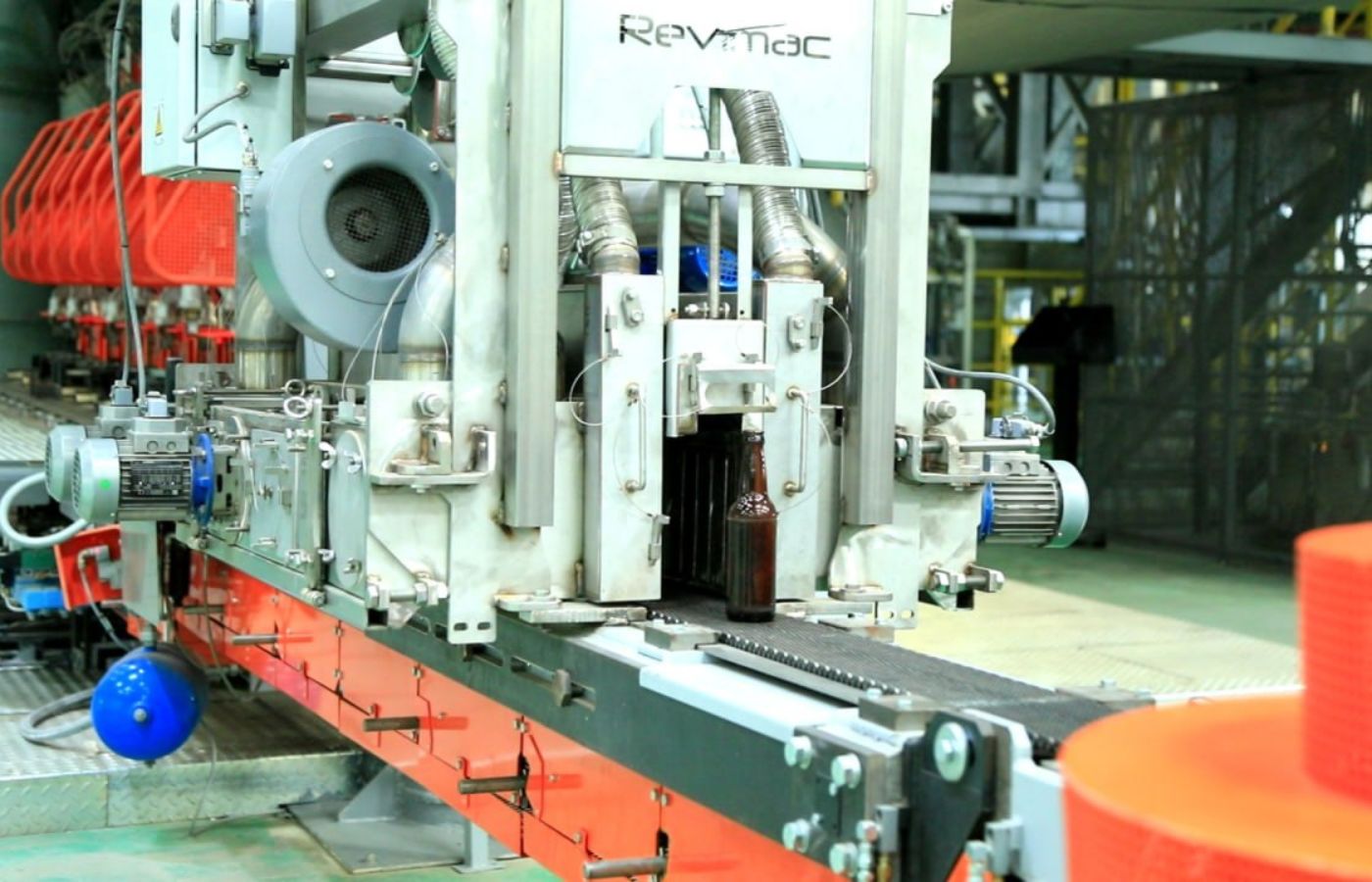
Located in Debre Birhan, the factory is primarily producing bottles for food packaging. It has a production capacity of up to 450,000 bottles a day and has created 300 permanent and 100 temporary jobs, according to the bank.
The factory’s scale has also been highlighted by government officials. Deputy Prime Minister Temesgen Tiruneh visited Dede Bottle Factory in November 2025 and said the plant produces 450,000 bottles a day and supplies beverage and pharmaceutical manufacturers across the country. The factory sources 86 percent of its raw materials locally.
That local sourcing is significant for a sector that depends on inputs including quartz sand, limestone and dolomite. Dede sources limestone largely from the Lemmi area, according to the Development Bank, creating a link between glass manufacturing and domestic mineral production.
The project therefore gives the bank a route to support import substitution while increasing the use of locally available industrial inputs. The bank said such investments are intended to reduce foreign-exchange requirements for imported goods and increase domestic value addition.
The factory is currently undergoing machinery testing and is expected to begin production soon, Getachew said. It has already established a market linkage with a major manufacturing company ahead of commercial operations.
The Development Bank provided 70 percent of the factory’s financing and is conducting field inspections, construction and operational assessments and technical follow-up, according to the institution.
Dede’s planned output also adds a significant volume to a market that has historically struggled to keep pace with demand. In 2015, a feasibility study used by Addis Ababa Bottle & Glass estimated national demand at 265 million bottles a year, while the company was then planning to expand its own annual capacity to 153 million bottles.
The new capacity comes as Ethiopia continues to develop domestic manufacturing in sectors where imports have traditionally supplied a substantial share of the market. Beyond replacing imports, the Development Bank said the project is expected to generate employment and additional tax revenue.




