

City Cabinet clears new and expanded land allocations for projects classified as nationally important, but does not disclose beneficiaries, locations or terms
Addis Ababa has cleared the way for new and expanded land allocations to hotels, shopping malls, apartment developments, industrial projects and other investments classified as being of national importance, potentially opening a fresh pipeline of increasingly valuable urban land for commercial development.
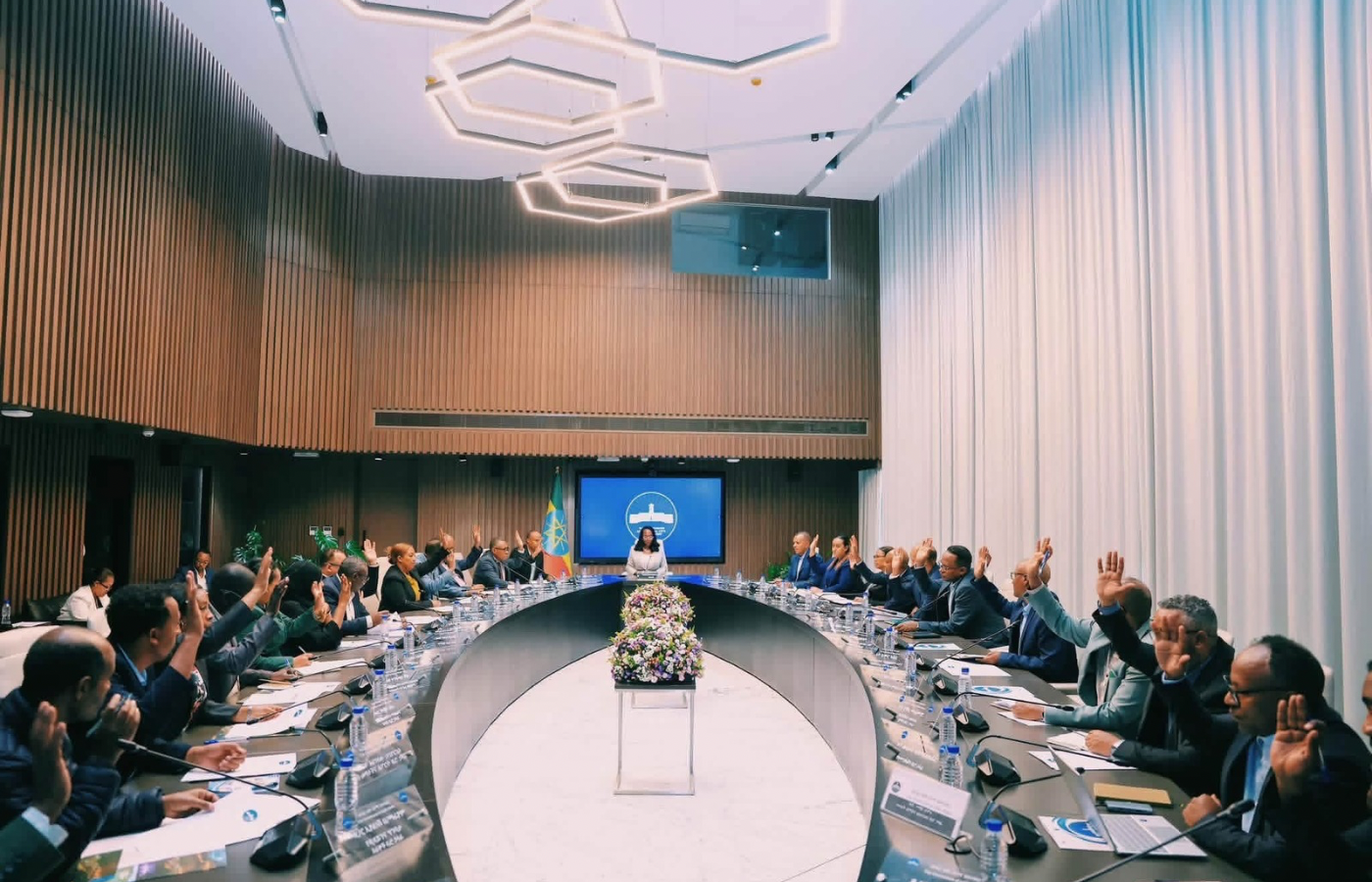
The decision was approved by the Addis Ababa City Administration Cabinet at its first regular meeting of the sixth administrative year on Thursday, alongside measures covering unfinished corridor developments and the city’s community-based health insurance system.
Under the land decision, projects eligible for new allocations or expansion include hotels, shopping malls, apartment complexes, industrial developments, charitable organisations, government institutions and medical facilities.
The breadth of the decision makes land the most consequential part of the Cabinet’s latest resolutions in a city where access to developable land has become one of the biggest constraints facing investors and property developers.
The administration said the measure is intended to facilitate projects considered important to the country’s development and accelerate investment in the capital.
However, the announcement did not disclose how much land could be made available, where the plots are located, which existing projects could receive additional land or the criteria that will be used to determine whether a private commercial development qualifies as a project of national importance.
It also did not identify prospective beneficiaries or provide details on the pricing and allocation mechanisms that will apply to the land.
Those details could prove significant. Hotels, malls and apartment developments are commercial assets capable of generating substantial private returns, while urban land in Addis Ababa remains one of the capital’s most scarce and commercially valuable resources. The classification of such developments as nationally important could therefore make the implementation rules surrounding the Cabinet decision as significant as the approval itself.
The move comes as Addis Ababa undergoes an aggressive physical transformation driven by corridor development, redevelopment projects, new commercial construction and infrastructure expansion.
The Cabinet separately approved measures aimed at completing corridor developments where work has been carried out only partially. Areas in which some sections have been upgraded while adjoining sections remain undeveloped will now be required to undergo more comprehensive development, according to the administration.
The decision is expected to put additional pressure on property owners and developers located along designated corridors to bring buildings and surrounding spaces into line with the city’s redevelopment requirements.
The Cabinet also approved changes to the contribution structure of Addis Ababa’s Community-Based Health Insurance scheme, which primarily targets households and workers outside formal employment arrangements.
The administration said the revision is intended to improve the performance and sustainability of the scheme, although it did not disclose the new contribution rates or indicate how much households will be required to pay under the revised system.
All three measures have been forwarded to the relevant city institutions for implementation.
For the land decision, however, the critical details are likely to emerge during implementation: who receives the land, how much they receive, what they pay for it and what exactly makes a hotel, mall or apartment development a project of national importance.




