

Tariff and services concessions negotiated with WTO members remain out of public view even as Ethiopia moves closer to ending a 23-year accession process
Ethiopia has signed bilateral market-access agreements with 10 World Trade Organization members as its long-running accession negotiations move toward their final stages, but the specific tariff concessions and service-sector commitments contained in the deals remain confidential.
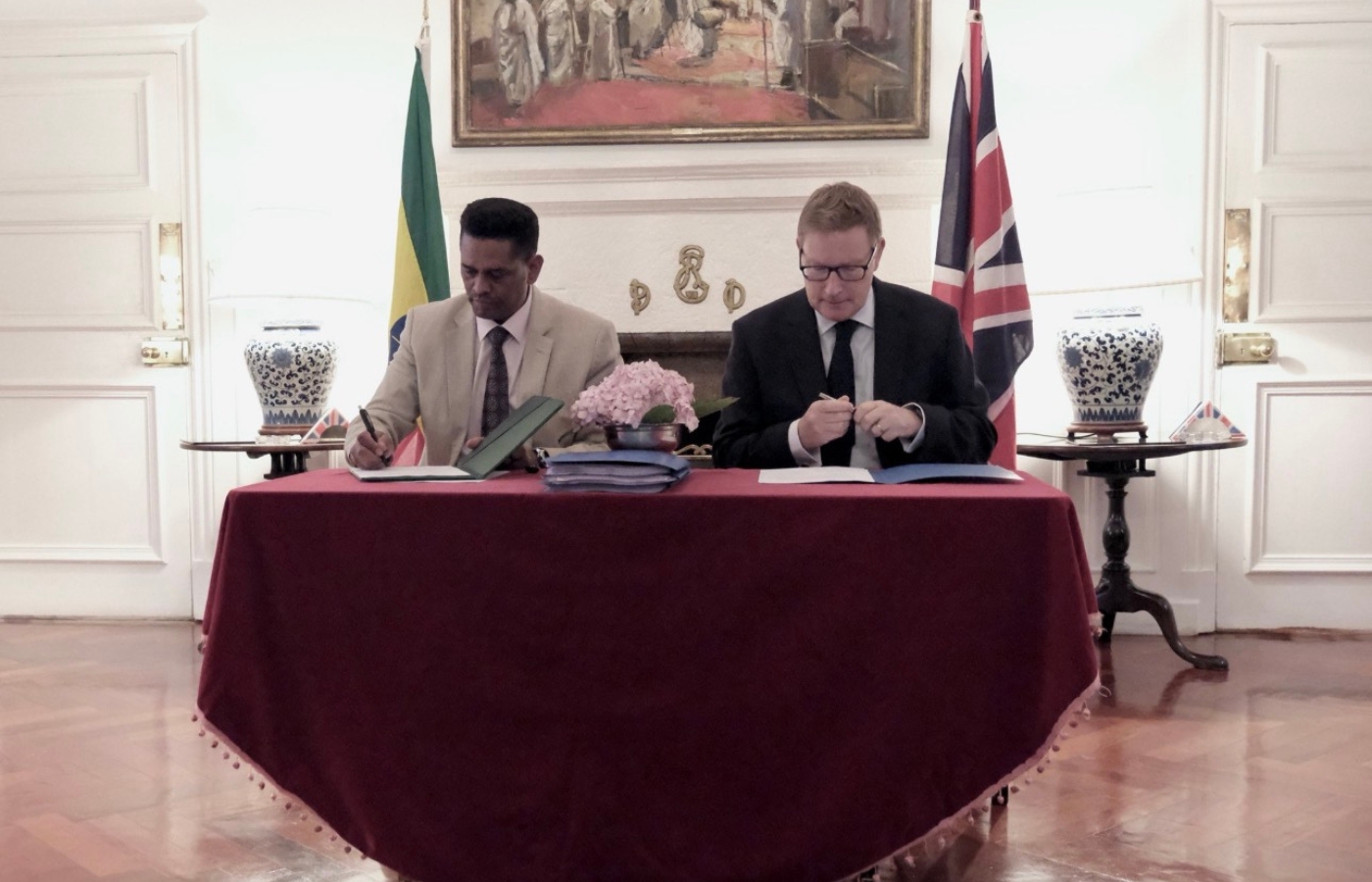
The latest agreement was signed with the United Kingdom on August 21 by Trade and Regional Integration Minister and Chief WTO Negotiator Kassahun Gofe and UK Ambassador to Ethiopia Darren Welch.
The UK became the 10th WTO member to formally sign a bilateral market-access agreement with Ethiopia and the 11th country to conclude bilateral negotiations. Ethiopia previously signed agreements with China, Russia, Argentina, Türkiye, Brazil, Japan, India, New Zealand and Thailand.
The growing number of agreements marks significant progress in Ethiopia’s effort to join the WTO, which dates back to the establishment of its accession Working Party in 2003.
But the commercial terms negotiated in the bilateral agreements have not been made public, leaving Ethiopian businesses without a full picture of the tariff ceilings, services commitments and transition periods that could eventually govern foreign competition in individual sectors.
That confidentiality is part of the WTO accession process. Bilateral agreements submitted by an applicant and negotiating member remain confidential while negotiations continue.
Once bilateral negotiations are completed, the concessions are consolidated into draft schedules covering goods and services. The most liberal commitments negotiated with individual countries are generally incorporated into the consolidated schedules and extended to all WTO members under the most-favoured-nation principle.
That means an opening negotiated with one country can ultimately become part of Ethiopia’s wider WTO obligations rather than remaining a concession available only to that negotiating partner.
For goods, the consolidated schedule will establish the tariffs Ethiopia agrees to bind. For services, it will specify commitments governing foreign suppliers in sectors where Ethiopia agrees to undertake market-access and national-treatment obligations.
Those final schedules will form part of Ethiopia’s accession package alongside the Working Party report and Protocol of Accession.
The government has not publicly disclosed which industries received the longest transition periods, which tariffs will ultimately be bound below existing levels or the extent of commitments made in individual service industries.
Kassahun said the agreement with the UK was negotiated in a manner that protected Ethiopia’s national interests and policy space, but no sector-by-sector details were released.
The unanswered details are increasingly important as accession negotiations move closer to completion.
At the seventh meeting of Ethiopia’s WTO Working Party in April, the government said negotiations had reached a “decisive juncture.” WTO members urged Ethiopia and remaining negotiating partners to conclude outstanding bilateral market-access talks and sign agreements as quickly as possible.
The negotiations have already coincided with significant changes to Ethiopia’s trade and economic regime.
The government told WTO members in April that it had taken decisions addressing concerns over foreign-exchange rules and customs valuation, removed certain duties and charges, eliminated WTO-inconsistent quantitative import restrictions and fees, advanced trade-facilitation measures and made changes to intellectual-property regulation.
Earlier negotiations also coincided with reforms opening Ethiopia’s banking industry to foreign investment, liberalising the foreign-exchange system and easing requirements facing foreign investors.
Not all of those reforms necessarily represent concessions contained in Ethiopia’s bilateral market-access agreements. The WTO accession process consists of separate bilateral negotiations over goods and services and multilateral negotiations covering domestic laws and compliance with WTO rules.
The distinction makes Ethiopia’s still-confidential goods and services schedules particularly important for businesses trying to understand what additional changes accession could bring.
The completed accession package ultimately contains schedules detailing the applicant’s market-access commitments on goods and services. Those commitments become part of the terms under which the country enters the organisation.




