

The state power producer’s first major net-profit declaration follows a sweeping restructuring that shifted 263.3 billion birr in EEP-related debt onto the federal government’s balance sheet
Ethiopian Electric Power has reported a record net profit of 39.5 billion birr, marking a striking financial reversal for a state enterprise whose earnings were long overshadowed by the enormous debt and financing costs accumulated while constructing Ethiopia’s flagship hydropower projects.
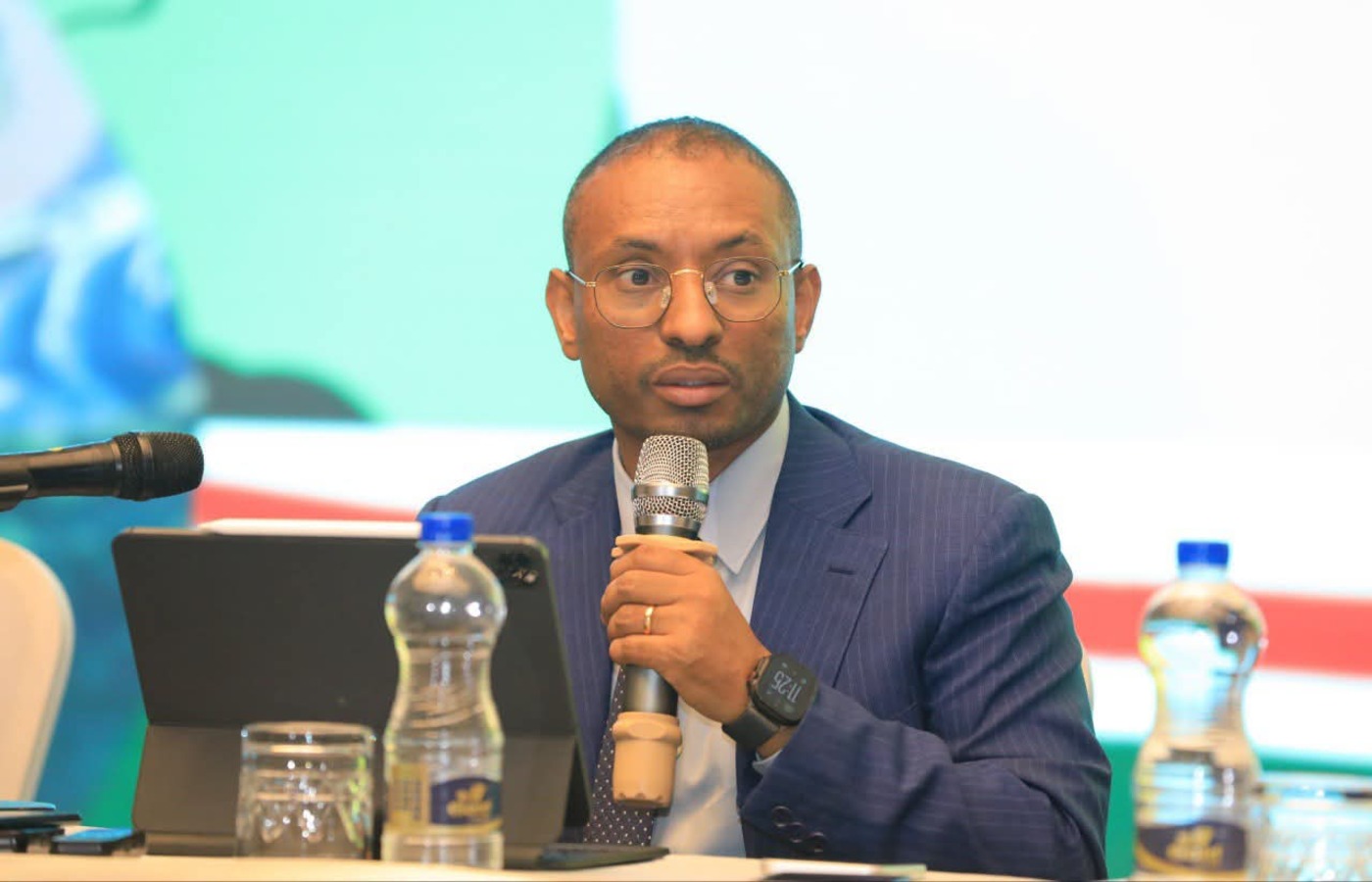
EEP generated total revenue of 124.2 billion birr during the just-ended 2025/26 fiscal year, Chief Executive Officer Engineer Ashebir Balcha disclosed on Thursday.
The scale of the profit is significant not simply because it is the highest reported in the company’s history. It comes after years in which EEP, despite operating some of Ethiopia’s largest revenue-generating public assets, was treated as one of the country’s most financially vulnerable state-owned enterprises.
EEP was responsible for financing and constructing capital-intensive dams, generating facilities and transmission networks. The resulting debt burden, combined with financing costs, below-cost electricity tariffs and delayed project returns, prevented the enterprise from translating its expanding generation capacity into a clear bottom-line profit.
That financial structure has now changed substantially.
In July 2024, the federal government issued a 10-year security worth 263.3 billion birr to settle Commercial Bank of Ethiopia claims associated with EEP’s debt. The transaction effectively moved a substantial portion of the utility’s legacy liabilities from the company and the Liability and Asset Management Corporation onto the central government’s balance sheet.
The measure followed earlier rounds of restructuring. In 2019, the government converted more than 48.2 billion birr in loans on-lent to EEP into equity. In 2021, EEP was among six heavily indebted state-owned enterprises whose domestic liabilities to the Commercial Bank of Ethiopia were transferred to the Liability and Asset Management Corporation.
The latest profit is the product of both stronger commercial performance and a major reallocation of debt—in addition to an increase in electricity sales.
The International Monetary Fund previously identified EEP, Ethiopian Railway Corporation and Ethiopian Sugar Industry Group as three loss-making enterprises that together accounted for 90 percent of the birr-denominated debt held by non-financial state-owned enterprises at the end of the 2022/23 fiscal year.
The IMF also warned that transferring their liabilities to the asset-management corporation had not initially been accompanied by sufficient improvements in operational viability. Restoring EEP’s financial health was subsequently identified as a priority because of the risks its debt posed to the banking system and the federal budget.
Against that background, a 39.5 billion birr net profit represents more than an annual earnings milestone. It suggests that debt restructuring, increased electricity generation, tariff adjustments and growing foreign-currency sales are beginning to produce a visibly stronger income statement.
EEP also earned 475.7 million US dollars during the fiscal year ended July 7, 2026, representing a 25 percent increase from the previous year. The foreign currency was generated mainly through electricity exports to neighbouring countries and power supplied to domestic data centres under contracts settled in foreign currency.
These earnings have become particularly important following Ethiopia’s shift to a market-based foreign-exchange regime. Unlike most state enterprises, EEP has the potential to earn foreign currency from infrastructure already built, providing the country with an export that does not depend on imported raw materials, international shipping or commodity-market prices.
Regional electricity sales could also gradually turn Ethiopia’s large hydropower investments into a recurring source of hard currency, provided that transmission infrastructure, payment arrangements and demand in neighbouring markets continue to expand.
Hydropower supplied 97 percent of the electricity generated during the just-ended fiscal year, underlining both EEP’s renewable-energy advantage and its heavy dependence on a single generation source.
The company said installed generation capacity increased by 23 percent to 9,730 megawatts as additional generating units became operational. However, installed capacity does not necessarily equal electricity delivered or sold. Transmission constraints, maintenance requirements, seasonal water conditions and limitations in the domestic distribution system can prevent available generation capacity from being fully monetised.
EEP reported an overall plan-performance rate of 101.83 percent for the 2025/26 fiscal year.
The company’s stronger finances could give it greater room to maintain existing plants, invest in transmission infrastructure and prepare new generation projects. But the record profit does not mean the historical cost of Ethiopia’s power expansion has disappeared. A substantial part of that burden has instead been transferred to the government, which must service the bonds issued to clean up EEP-related liabilities.
This makes the quality and sustainability of the profit as important as its size. Whether EEP can continue generating large profits without further debt transfers will depend on collection efficiency, electricity tariffs, export volumes, operating costs and its ability to finance new projects without recreating the liabilities that previously weakened its balance sheet.
During the 2026/27 fiscal year, EEP plans to begin construction of the Genale Dawa 6 hydropower project and launch a domestically financed 100-megawatt solar power plant. It also expects the Aysha wind project to reach completion, initially adding 40 megawatts to the national grid.
If sustained, the turnaround could reposition EEP from one of Ethiopia’s biggest sources of public-sector financial risk into a major source of government revenue and foreign exchange.




