

Consumer inflation climbed to 15.1 percent in August 2026, up from 13.6 percent a year earlier, with higher food prices and a sharp increase in education costs contributing to the acceleration.
Food and non-alcoholic beverage inflation reached 14.9 percent, driven by increases across most major food categories. Sugar, honey and chocolate recorded the steepest increase at 38.3 percent, followed by meat at 22.6 percent, fruits at 19.1 percent, oil and butter at 18.8 percent, and dairy products and eggs at 18.7 percent.
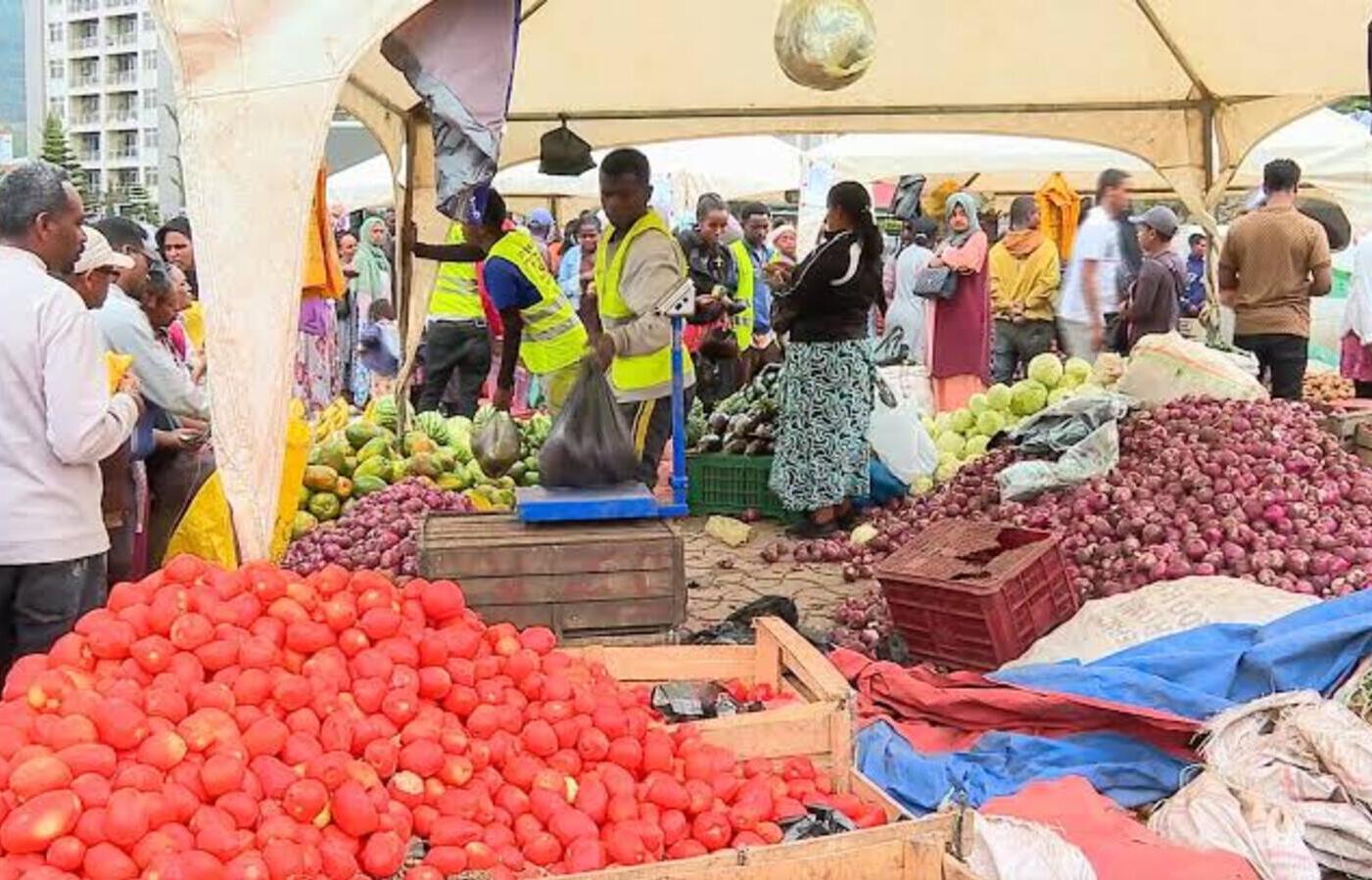
Prices of other food products rose 16.8 percent, while vegetables increased 12.1 percent. Bread and injera prices rose 8.1 percent.
Non-food inflation stood at 15.4 percent, exceeding the rate recorded for food and non-alcoholic beverages. Education recorded the highest increase in the non-food basket at 25.3 percent, followed by other goods and services at 19.3 percent.
Transport prices rose 15.6 percent, while alcoholic beverages and tobacco increased 16.0 percent. Restaurant and hotel prices rose 15.3 percent, health costs increased 12.8 percent and communication prices rose 8.0 percent.
The August 2026 reading comes as monetary and foreign-exchange reforms continue to reshape domestic prices. The central bank has been using foreign-exchange auctions and other measures to improve access to hard currency, while the government has also been implementing fiscal and structural reforms aimed at stabilising the economy.
The latest inflation data indicate that price pressures remain broad-based, with both essential food items and services contributing to the annual increase.
For continuous coverage of Horn of Africa macroeconomic restructuring, exchange rate dynamics, and regional financial analysis, visit BirrMetrics and follow official labor and economic updates via the Ethiopian Statistical Service.




