

MIDROC Expansion 120000 Jobs Target Set as Sheikh Al-Amoudi Directs Growth
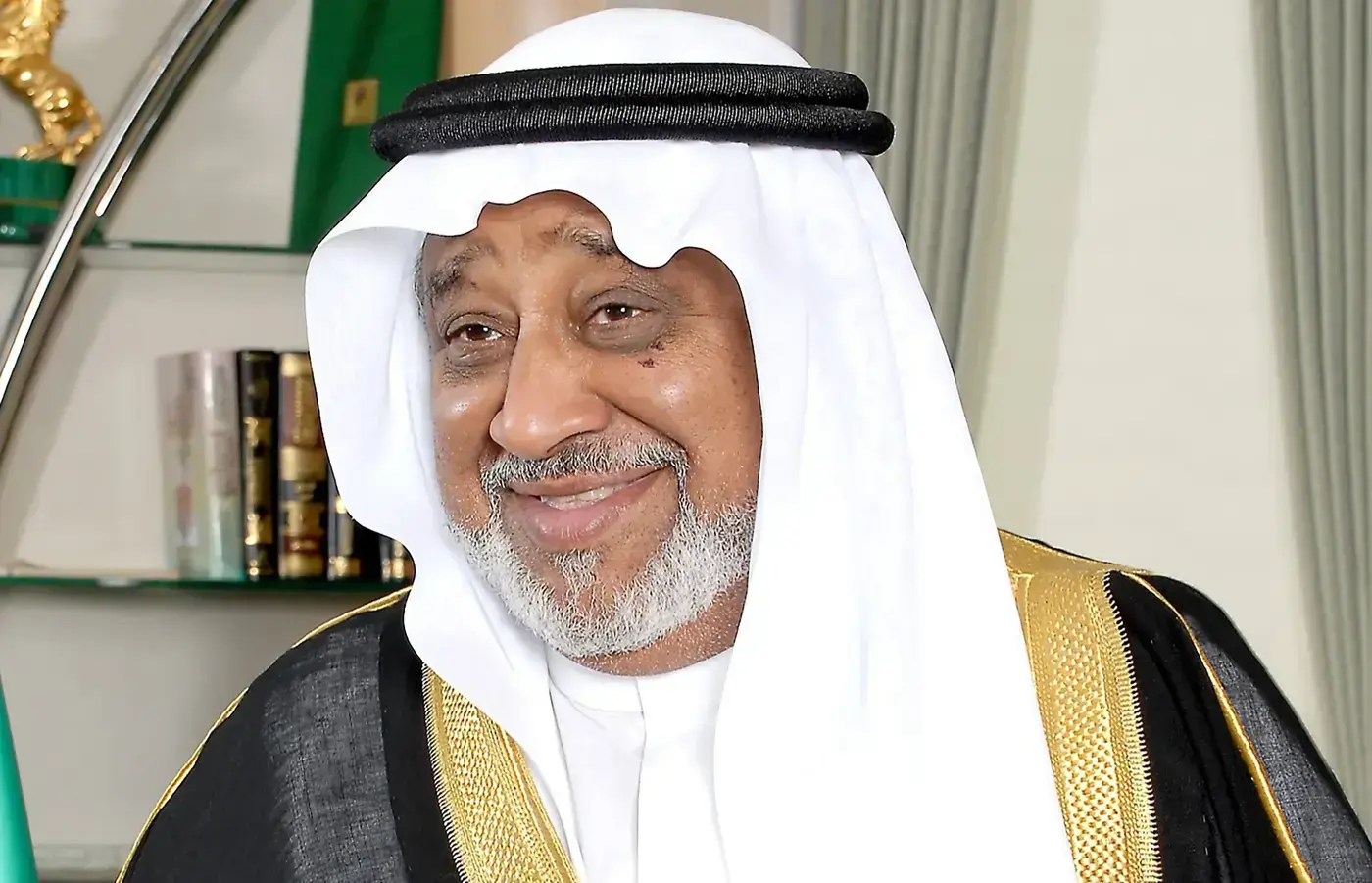
MIDROC Investment Group plans to increase its workforce from 80,000 to as many as 120,000 as it prepares a new wave of mega projects, its founder and chairman, Sheikh Mohammed Hussein Ali Al-Amoudi, has announced.
In rare remarks delivered during a meeting of MIDROC managers and employees, the Saudi-Ethiopian billionaire Al-Amoudi called on the conglomerate’s leadership to create between 20,000 and 40,000 additional jobs, making employment generation a central measure of the group’s next phase of expansion.
“Major mega projects are waiting for us in the coming years,” he said. “Management and employees must work together to increase our workforce from 80,000 to 100,000 or 120,000.”
Al-Amoudi did not identify all the planned projects, disclose their investment value or provide a deadline for reaching the employment target. However, he said MIDROC should aim to double the scale of its development activity over the coming year.
The announcement signals an aggressive expansion by one of Ethiopia’s largest private business groups, which operates more than 45 companies across agriculture, agro-processing, manufacturing, mining, construction, real estate, commerce and hospitality.
Among the projects disclosed was an ultra-luxury hotel that Al-Amoudi said he intends to supervise personally.
He described the proposed development as a “ten-star hotel” designed to attract some of the world’s wealthiest individuals and enable them to hold major gatherings in Ethiopia.
The description is not a formally recognised international hotel classification but appears to signal an ambition to develop a property above conventional five-star standards.
“Ethiopia has enough hotels, but it needs a hotel that matches their expectations,” Al-Amoudi said, referring to the world’s richest businesspeople.
He said he had already begun preparing engineers for the project and would oversee its progress through video and other remote monitoring systems rather than transferring full responsibility to MIDROC Chief Executive Officer Jemal Ahmed.
Al-Amoudi called on the federal government to provide the approvals and other support required to implement the development.
“If the government gives us what we need, I am ready to do this,” he said.
No location, cost, construction schedule, brand or operating partner was disclosed for the proposed hotel.
The project would add to MIDROC’s growing hospitality portfolio, which includes Sheraton Addis, Blue Nile Resort Hotel and several hotels under construction or development across Addis Ababa and regional cities.
MIDROC Ethiopia Plc recently secured an USD 80 million long-term loan from the International Finance Corporation to refurbish Sheraton Addis and construct another Sheraton hotel in the capital. The combined cost of the two-hotel investment is estimated at up to USD 116 million.
Al-Amoudi also raised the issue of land previously taken from MIDROC, saying the conglomerate expects the government to return some of the properties.
“There are lands that were taken from us in the past,” he said. “We have not asked the government, but we are waiting, believing that the government will consider the matter itself and return them to us.”
He did not identify the properties, their locations, their current users or the legal basis on which MIDROC expects their return.
Several MIDROC projects were delayed for years, while large plots allocated to the group remained fenced but undeveloped. Some properties were subsequently reclaimed by government authorities.
MIDROC management has previously argued that not all the delays were caused by the company. In some cases, the group said it paid for land but could not take full possession because government institutions or existing occupants had not vacated the properties.
Al-Amoudi positioned MIDROC’s expansion as part of the government’s wider development programme, calling for closer cooperation between the state and the private sector.
He said MIDROC would follow the government’s development roadmap and concentrate on commercial activities that complement rather than compete with the state’s responsibilities.
“MIDROC is a development institution,” he said. “It belongs to the Ethiopian people and works with the Ethiopian government.”
Al-Amoudi praised the government’s recent development record and predicted that Ethiopia would soon be recognised among developed and prosperous countries if the state and private sector continued working together.
He also urged MIDROC to support the government against internal and external forces seeking to obstruct Ethiopia’s development. His remarks included criticism of neighbouring countries that he said were unhappy with Ethiopia’s progress, although he did not name any country.
The chairman’s strong endorsement of the government comes as MIDROC expands its involvement in high-profile national projects and pursues major foreign-currency financing for hotels, manufacturing and other investments.
Al-Amoudi directed MIDROC management to pay greater attention to employees’ living conditions, warning that salary increases alone may not be sufficient if workers continue to struggle with rising costs.
He welcomed recent salary adjustments but asked management to determine whether the increases had meaningfully reduced the financial pressure on employees.
“Management must examine carefully whether the salary increase makes their lives easier,” he said. “We must pay attention to workers, understand their problems and encourage them.”
The responsibility falls particularly on the group’s chief executive and deputy chief executives, he said, because employees who feel secure and supported are more likely to protect company assets and improve productivity.
Al-Amoudi linked job creation with national stability, arguing that young people with reliable employment would be less vulnerable to destructive activities.
“The objective of MIDROC’s entire management must be to open employment opportunities for young people,” he said.
The chairman also referred to previous failures inside the business empire, saying individuals he trusted to manage companies had betrayed that trust and allowed assets to deteriorate.
Al-Amoudi said he had handed companies to managers with instructions to develop them, only to find that some had been damaged beyond recovery.
He said he subsequently instructed Jemalto restore businesses that could still be saved while protecting employees from unnecessary dismissals.
The comments reinforce recent disclosures by MIDROC’s chief executive that the group had once been pushed close to collapse by losses, debt, alleged asset stripping and weak oversight.
Some subsidiaries had become unable to pay salaries, while creditors moved to auction machinery, vehicles and other properties. MIDROC later consolidated its fragmented businesses under a cluster-based structure and introduced annual external audits, centralised oversight and stronger financial controls.
Al-Amoudi credited employees and the current management team with rebuilding the group.
“It is your work, your effort and your commitment that brought MIDROC to where it is today,” he told employees.
Al-Amoudi, who addressed the gathering remotely, said he expected to meet MIDROC employees in person within months after a prolonged absence.
“You may not have seen me for eight years, but from now on you will not wait years,” he said. “It will be months. I will come, meet you face to face and visit each organisation.”
He also dismissed repeated rumours about his death.
“The media have killed me once or twice,” he said. “But, thank God, I am alive, and you can see me now.”
Al-Amoudi was detained in Saudi Arabia in November 2017 during Crown Prince Mohammed bin Salman’s anti-corruption crackdown. He was released in January 2019 after more than 14 months in custody.
His detention created uncertainty around MIDROC’s Ethiopian businesses, many of which had depended heavily on his personal financing and supervision.
The latest appearance signals his intention to become more directly involved in the conglomerate’s next phase. However, MIDROC has yet to disclose the individual mega projects, financing requirements and implementation timetable behind its target of creating up to 40,000 additional jobs.
Check out cross-border financial networks in PAPSS China India Expansion 2027: Payment Linkage Beyond Africa, and also follow market updates directly on the Nairobi Securities Exchange (NSE) portal.




