

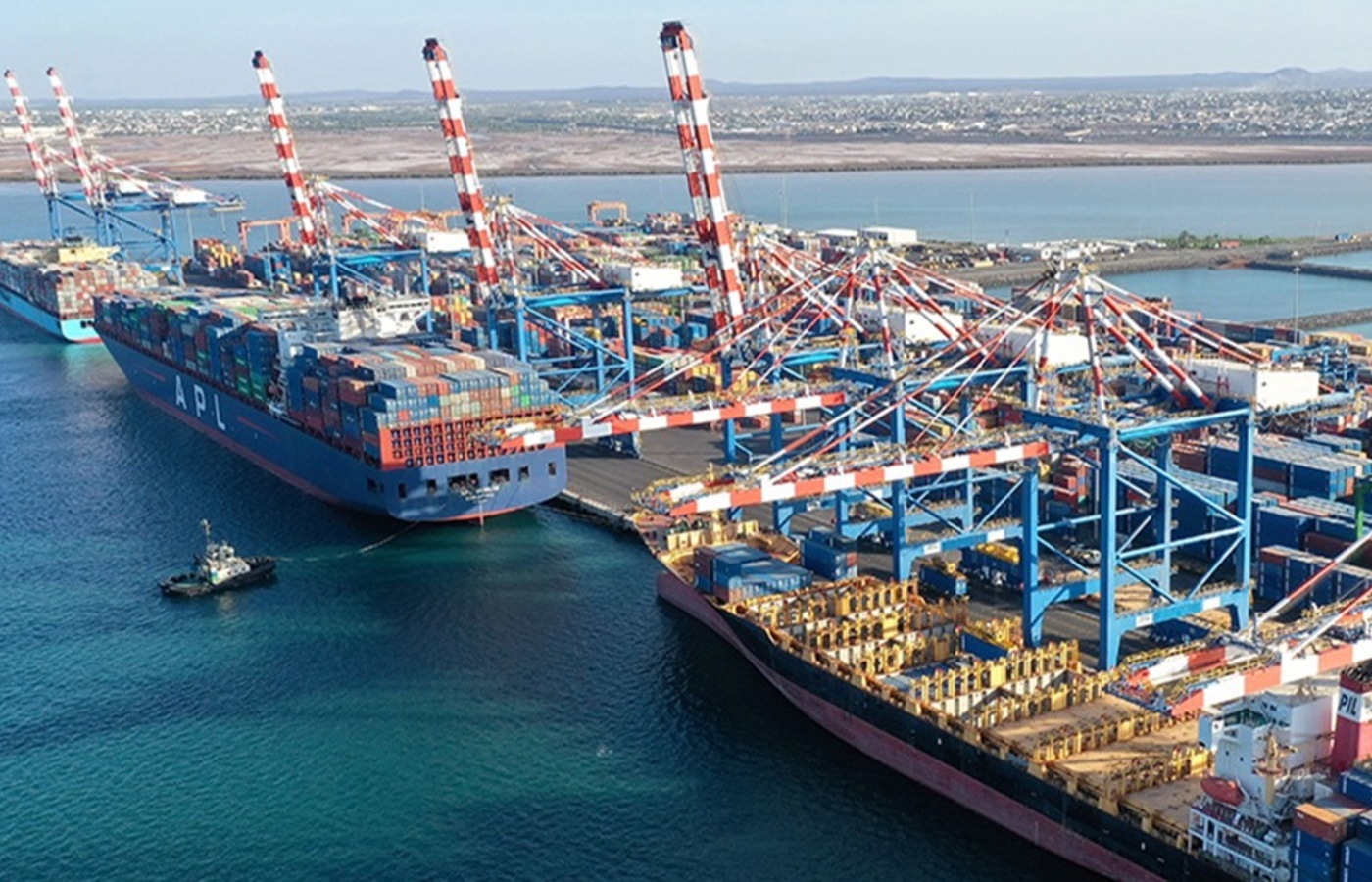
Persistent cold-chain infrastructure bottlenecks along the primary trade corridor connecting Ethiopia to the Port of Djibouti continue to suppress domestic horticultural export revenues, creating a severe structural gap between regional agricultural output and international market penetration.
According to sectoral trade data published on September 19, 2026, Ethiopia produced over one million tonnes of bananas in 2019, with major growing zones recently generating peak harvests approaching 1.6 million tonnes over a five-month span. Despite these high yields, combined national export revenues for bananas and avocados totaled just 38 million US dollars over a five-year period—a minute fraction of the global banana trade, which reached 16.7 billion US dollars in 2025.
Industry analyses indicate that while baseline farm-gate production quality remains a preliminary obstacle, the absence of an integrated temperature-controlled logistics network presents the primary structural barrier to commercial export scaling. Perishable agricultural commodities suffer high post-harvest loss rates and quality degradation during transit from regional farming clusters to maritime departure points.
To address the transport bottleneck, trade and transport corridor analysts highlight the underutilized capacity of the Ethio-Djibouti Railway. Deploying specialized reefer wagons along the electric rail network offers a viable solution to preserve temperature integrity during cargo movement toward maritime terminals at the Port of Djibouti.
The trade route remains Ethiopia’s principal commercial gateway. Figures from the Ministry of Transport and Logistics show that the corridor handled 15.34 million metric tons of cargo in the 2025/26 fiscal year, representing 96.7 percent of the country’s total maritime import and export volume. Total national freight reached 17.57 million metric tons over the same twelve-month period, with exports accounting for 1.64 million metric tons.
Road freight continues to dominate corridor traffic, moving 80.2 percent of total freight volume, while the Ethio-Djibouti Railway carried 18.9 percent. Air cargo handled less than one percent of total tonnage, primarily servicing time-sensitive, high-value perishables such as floriculture shipments.
Regional logistics executives emphasize that improving cold-chain reliability, streamlining customs clearance protocols, and expanding multimodal rail integration are necessary prerequisites to lower holding costs and position Ethiopian fresh produce competitively within high-value Gulf and European import markets.




