

The latest financing will expand cash transfers, public works, livelihood grants and employment support across 88 cities as rising living costs place greater pressure on low-income urban households.
Ethiopia has begun preparing the rollout of the third additional financing phase of its flagship urban safety-net programme, which aims to extend income and employment support to as many as three million people across 88 cities.
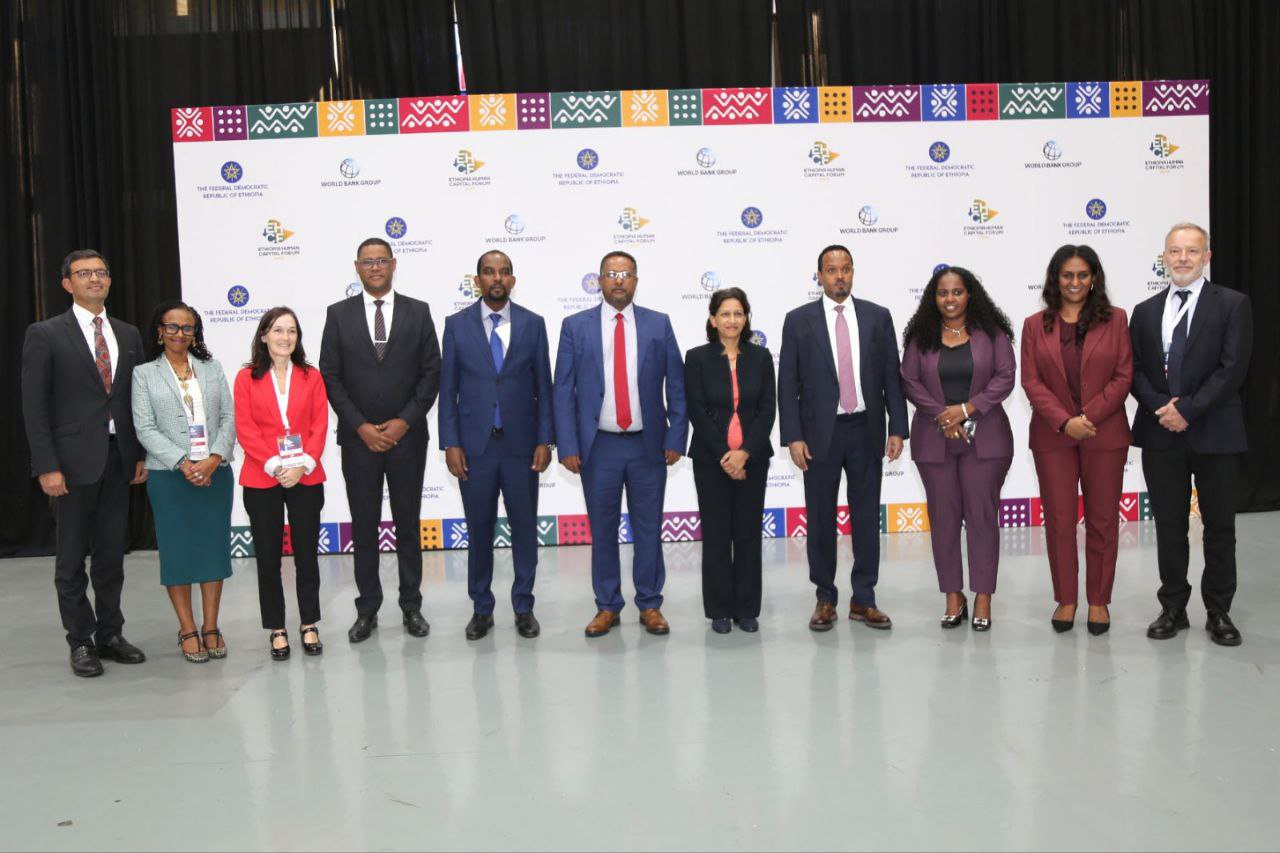
The Ministry of Urban and Infrastructure brought together municipal trade and finance officials in Hawassa on September 21, 2026, to review the programme’s financial performance and determine budget allocations, implementation targets and disbursement schedules for participating cities.
The new phase is backed by a 250 million US dollars additional financing agreement signed by the Ethiopian government and the World Bank in January. It is intended to expand labour-intensive public works, livelihood grants, cash transfers and employment services for vulnerable urban households, disadvantaged young people, refugees and host communities.
The financing comes as persistent inflation and the rising cost of food, housing and transport continue to erode the purchasing power of low-income urban households. The programme is expected to provide temporary income protection while helping beneficiaries establish businesses, acquire workplace experience or move into more sustainable employment.
Berhanu Teshome, head of the Urban Food Security and Safety Net Office, said the programme has expanded from an initial 11 cities to 88 urban centres. The third financing phase will seek to bring the cumulative number of people reached by the programme to approximately three million.
The three-million figure covers the programme’s broader beneficiary population rather than urban youth alone. Beneficiaries include people participating in public works, households receiving direct cash support, young people enrolled in apprenticeships, recipients of livelihood grants, homeless people receiving reintegration services, and refugees and host communities.
World Bank figures indicate that the programme was already reaching about 2.4 million people across 88 cities before the latest expansion. It had provided employment to approximately 1.1 million urban residents, while 334,481 people had received training and grants to start or expand businesses. Another 59,865 young people had participated in apprenticeship programmes.
The programme was initially approved in 2020 with a 400 million US dollars grant from the World Bank’s International Development Association and 150 million US dollars in government financing. Subsequent financing rounds, including the latest 250 million US dollars package, have pushed total commitments towards 1 billion US dollars, making the initiative one of Ethiopia’s largest urban social-protection interventions.
Under the programme, able-bodied beneficiaries receive payments for participating in labour-intensive public works, while households without members able to work—including elderly people, people with disabilities and other highly vulnerable residents—receive direct assistance. Other components provide apprenticeships, technical training and startup grants intended to help participants move from temporary support into employment or self-employment.
Officials attending the Hawassa review discussed how the latest financing should be divided among participating cities and assessed previous expenditure, disbursement and implementation performance. Municipal finance offices will be responsible for directing allocations towards eligible public works and ensuring that payments reach beneficiaries on time.
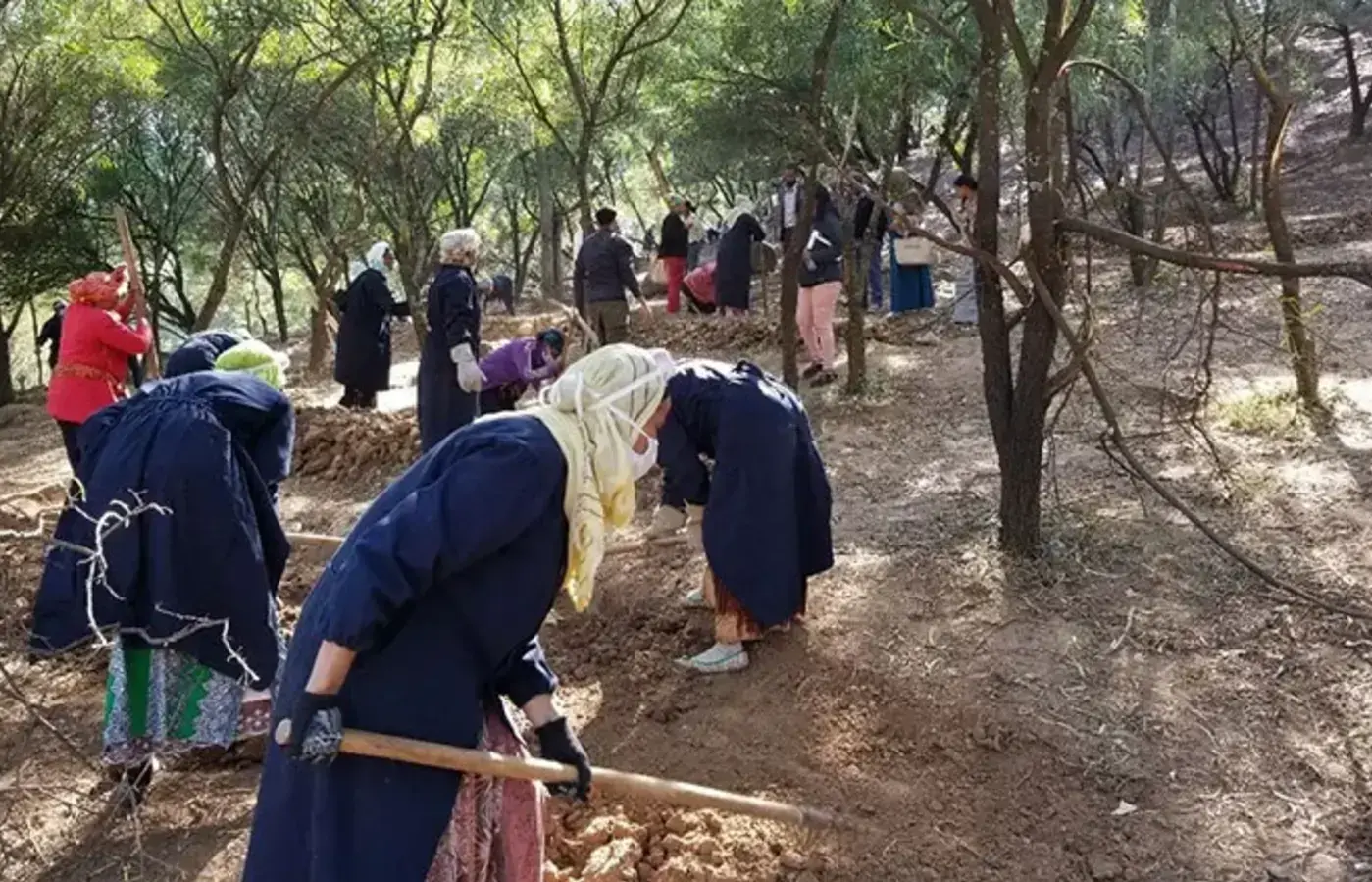
The public works component finances projects selected and implemented at city level, including environmental rehabilitation, sanitation, road and pedestrian infrastructure, green spaces and selected community facilities. In Hawassa, municipal authorities have integrated safety-net labour and financing into urban corridor and public-infrastructure projects.
Hawassa Deputy Mayor Chernet Filate said the city had achieved a high rate of fund utilisation, enabling it to create temporary income opportunities for low-income residents while delivering public infrastructure.
The review is also expected to establish performance benchmarks for each participating administration. Priority areas include strengthening digital payment systems, improving beneficiary registration and verification, conducting selection audits and expanding livelihood and technical-skills support.
The scale-up places greater responsibility on city administrations to ensure that beneficiaries are selected transparently and that public works produce durable community assets. Timely payments will also be critical, particularly because delays and inflation can sharply reduce the real value of support received by poor households.
The third additional financing represents more than another cash-transfer allocation. It is a test of whether Ethiopia can turn a rapidly expanding urban safety net into an effective bridge between short-term protection and lasting economic independence.
For more coverage on Ethiopian macroeconomic updates, policy analysis, and social development funding, explore BirrMetrics Regional News, and monitor national market updates via the Ethiopian Securities Exchange (ESX) portal.




