

Dangote calls for African capital to be redirected into industry as AfCFTA, deeper financial markets and private investment emerge as priorities for the continent's growth
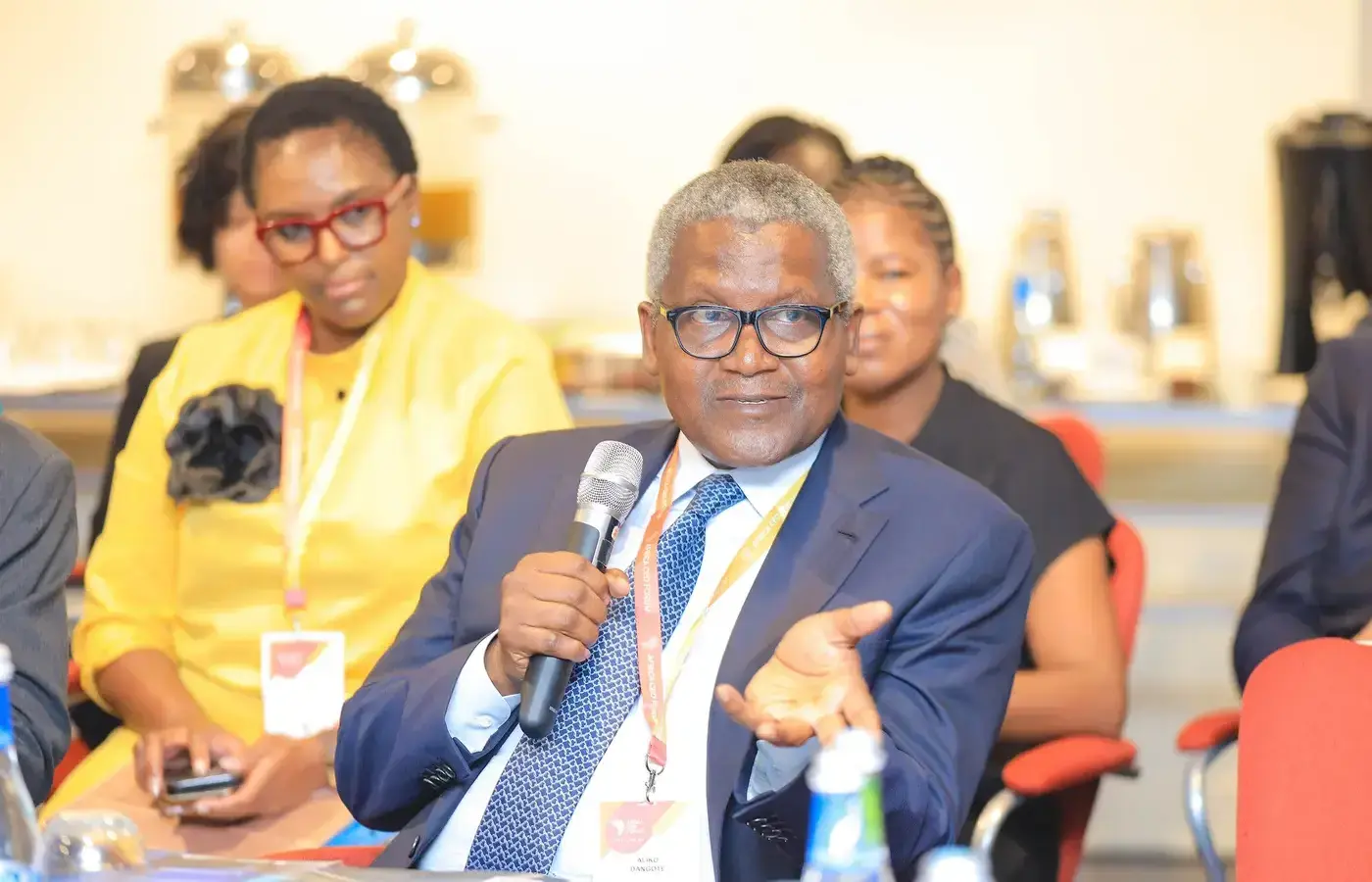
Africa needs to retain more of its capital and direct it toward industrial investment if the continent is to build the manufacturing capacity needed to support long-term economic growth, Dangote Group President and Chief Executive Aliko Dangote said at the Unstoppable Africa 2026 forum in New York.
Dangote told more than 3,000 African and global business leaders and heads of state that Africa could not build industrial strength on the scale achieved by Asia while substantial capital generated on the continent continued to flow into foreign banks and markets.
“We must believe in our continent,” Dangote said, according to the United Nations Global Compact, which organised the two-day forum.
His comments put capital retention, rather than simply attracting foreign investment, at the centre of discussions about Africa's industrialisation. The continent needs financing for manufacturing, energy, infrastructure and other productive sectors, while many African financial markets remain relatively shallow and national markets are fragmented.
Dangote pointed to his group's investments in large-scale industrial projects, including refining, as examples of the capital required to build productive capacity on the continent. He also called for broader public ownership as African businesses expand, according to the event organisers.
The push for larger domestic pools of capital comes alongside efforts to create bigger markets for African companies.
The African Continental Free Trade Area (AfCFTA) is intended to reduce trade barriers and create a single continental market for goods and services. Its implementation is expected to give businesses greater access to regional markets, potentially improving the economics of investments that require scale.
Zeine Zeidane, director of the African Department at the International Monetary Fund, highlighted structural reforms, stronger domestic financial markets and wider markets created through AfCFTA as important elements in attracting private investment.
For African companies, the combination of capital availability and market size remains central to the expansion of industrial businesses. Larger regional markets can support higher production volumes, while deeper domestic financial markets can provide more financing options for companies investing in factories, infrastructure and technology.
The forum also highlighted the rapid expansion of Africa's digital economy.
Olugbenga Agboola, chief executive of payments company Flutterwave, pointed to the continent's young and increasingly connected population as a market for digital payments, artificial intelligence and other technologies.
The digital sector is also being used to address inclusion gaps. Elly Savatia, founder and chief executive of Signverse, said the company had received 2 million US dollars in funding from Google and developed what it describes as the largest publicly documented dataset for an African sign language. The company is building a framework intended to support additional local sign languages.
South Africa's investment proposition featured separately at the forum through the South African Business Initiative for Impact, which focused on connecting local investment opportunities with international capital and partnerships.
Africa's creative industries were also presented as an increasingly export-oriented sector.
Khanyi Mashimbiye, manager of creatives at Afreximbank, said the bank's CANEX programme had connected African fashion companies with international buyers through trade platforms including Tranoï in Paris and Japan and Coterie in New York.
Since 2022, the programme has secured more than 120 offtake agreements, according to Afreximbank. Zimbabwean fashion brand Vanu Vanwerk, one of the companies supported through the programme, now sells in more than 50 stores globally.
The discussions extended into youth development and sport. Namibian President Netumbo Nandi-Ndaitwah signed a partnership agreement between the Netumbo Nandi-Ndaitwah Foundation and the Queens of the Continent Foundation, founded by former WNBA All-Star and ESPN host Chiney Ogwumike. The partnership will explore programmes supporting young people in Namibia, with a focus on girls and young women.
Artificial intelligence was another major theme at the forum.
UN Deputy Secretary-General Amina J. Mohammed said Africa had an opportunity to use AI to accelerate economic development, but would require infrastructure, investment and access to deploy the technology at scale.
The discussions point to a broader financing challenge for African economies: mobilising enough capital, through domestic savings, financial markets and international investment, to fund projects at industrial scale.
For Dangote, keeping more African capital within the continent is part of that equation. His argument links the availability of capital with the ability to build larger industrial businesses and use the expanded regional market created by AfCFTA.
The forum ended with a focus on converting investment interest into projects capable of generating production, employment and economic value across African markets.




