

The Democratic Republic of Congo has retained its position as the most profitable regional market for Kenyan banks for a third consecutive year, according to Central Bank of Kenya.
Lenders continue to expand into the mineral-rich but politically volatile nation, drawn by its vast resources and largely unbanked population.
Regional subsidiaries of Kenyan banks posted a 33.2 percent rise in profits in the year to December 2025, contributing 611.6 million US dollars to group earnings, up from 458.9 million US dollars a year earlier. The DRC accounted for more than half of that total.
The country's dollar-based economy and vast mineral wealth have generated substantial foreign exchange income for lenders. These resources include cobalt, copper and coltan, key inputs for electric vehicle batteries.
Its population of about 115 million remains largely unbanked, offering significant untapped potential. Fewer than 10 percent of Congolese hold bank accounts, according to industry estimates.
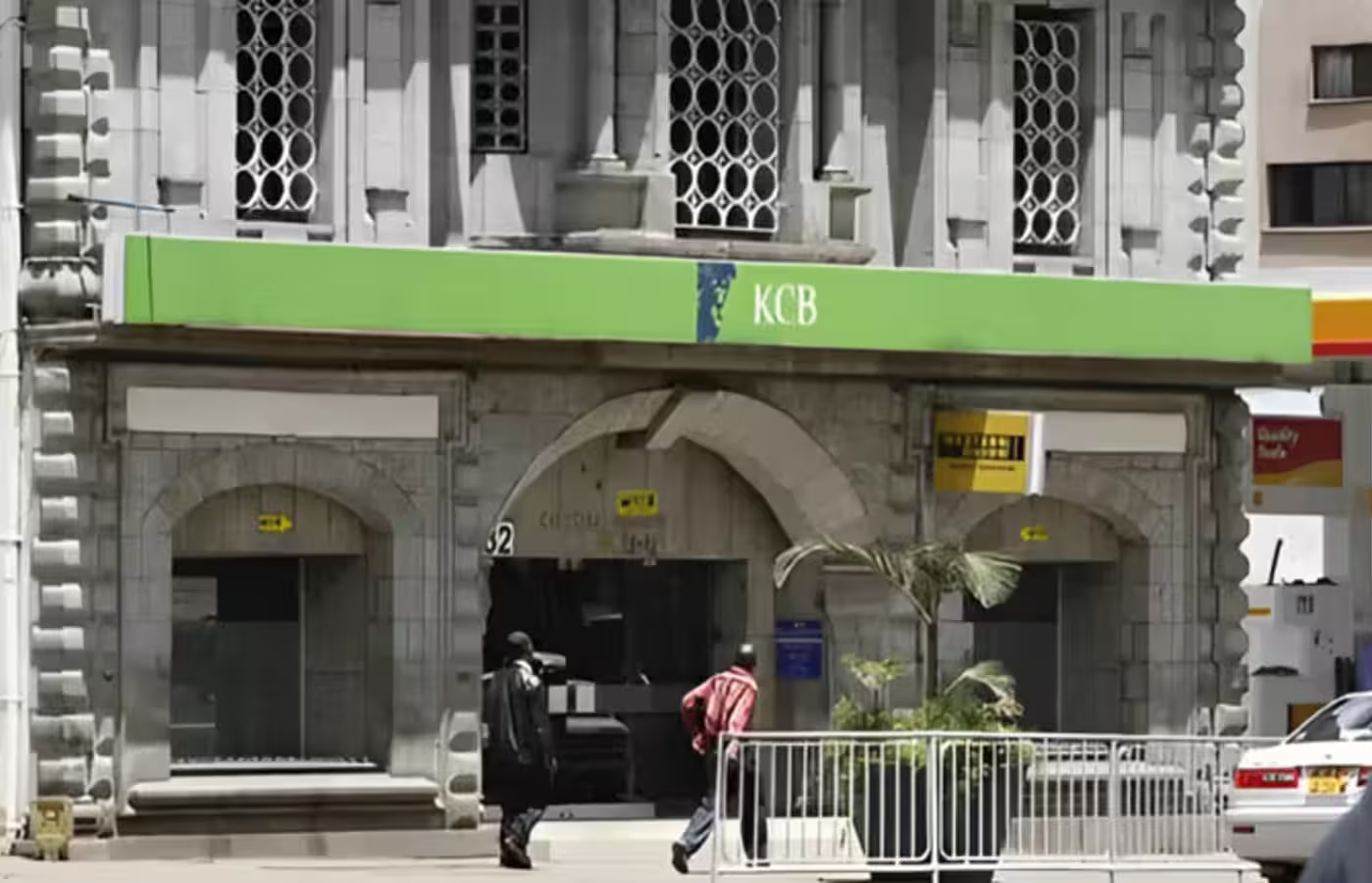
Equity Group and KCB Group, the only Kenyan lenders operating in the DRC, reported a combined profit of 314.7 million US dollars, up from 236.4 million US dollars, according to the CBK data.
The DRC's emergence as a banking frontier reflects a broader shift in African finance. The country, which spans 2.3 million square kilometres, roughly the size of Western Europe, holds an estimated 24 trillion US dollars in untapped mineral reserves.
Yet decades of conflict and mismanagement left its financial system severely underdeveloped. As recently as 2019, only a handful of international banks maintained meaningful operations in Kinshasa.
The tide began turning with the election of President Félix Tshisekedi in 2019 and his subsequent push for economic reform. The government's National Digital Plan, launched in 2024, explicitly targets financial inclusion as a development priority, inviting partnerships with regional lenders.
Prime Minister Judith Suminwa Tuluka has publicly courted banking sector investment. In February 2026, she met with KCB and Trust Merchant Bank executives to discuss financing for infrastructure, energy and digitalisation projects.
Equity Group's acquisition of Banque Commerciale du Congo in 2020, then the DRC's second-largest bank, proved pivotal. The subsidiary, now operating as Equity BCDC, holds 4.1 billion US dollars in deposits. That represents 29.3 percent of all deposits held by Kenyan bank subsidiaries abroad, and it generated 36.5 percent of Equity's regional profits in 2025.
The DRC's mining sector has driven much of this growth. Equity has conducted 15 trade missions to the country in four years, connecting Kenyan suppliers with mining operations in Lubumbashi and Kolwezi.
The bank signed a memorandum with the Congolese youth entrepreneurship fund in December 2025 to formalise and finance small businesses, targeting 5,000 enterprises nationwide.
The shift marks a reversal of the previous trend, in which Rwanda was regarded as the most reliable market for Kenyan bank subsidiaries. The DRC's rise has come despite persistent security challenges and political uncertainty in Kinshasa, particularly in the eastern regions, where armed conflict has displaced millions.
The country's risk profile remains elevated. Returns on equity in Congolese banking average 25 to 30 percent, among the highest on the continent.
However, the boom has so far favoured large corporations over ordinary citizens, raising questions about whether the growth will genuinely broaden financial access.
Inflation stood at 17.8 percent in 2025, and GDP per capita remains just 688 US dollars, among the lowest globally. The country's currency has depreciated steadily against the dollar, though the banking sector's dollar-denominated operations have insulated lenders from some of that pressure.
Kenyan lenders are pressing ahead with further expansion. Equity Group has said it plans to enter Angola, Mozambique, Zambia, Ethiopia and Libya, aiming for a presence in 15 countries within four years.
NCBA Group, which is being acquired by South Africa's Nedbank, has identified the DRC and Ethiopia as its next target markets.
The Central Bank of Kenya compiles the regional data from annual returns filed by Kenyan lenders with cross-border operations.
For deeper coverage on African financial markets, regional banking trends, and macroeconomic analysis, read full coverage on Congo Leads Kenyan Banks Regional Profit Growth, or access regulatory data on the Central Bank of Kenya portal.




