

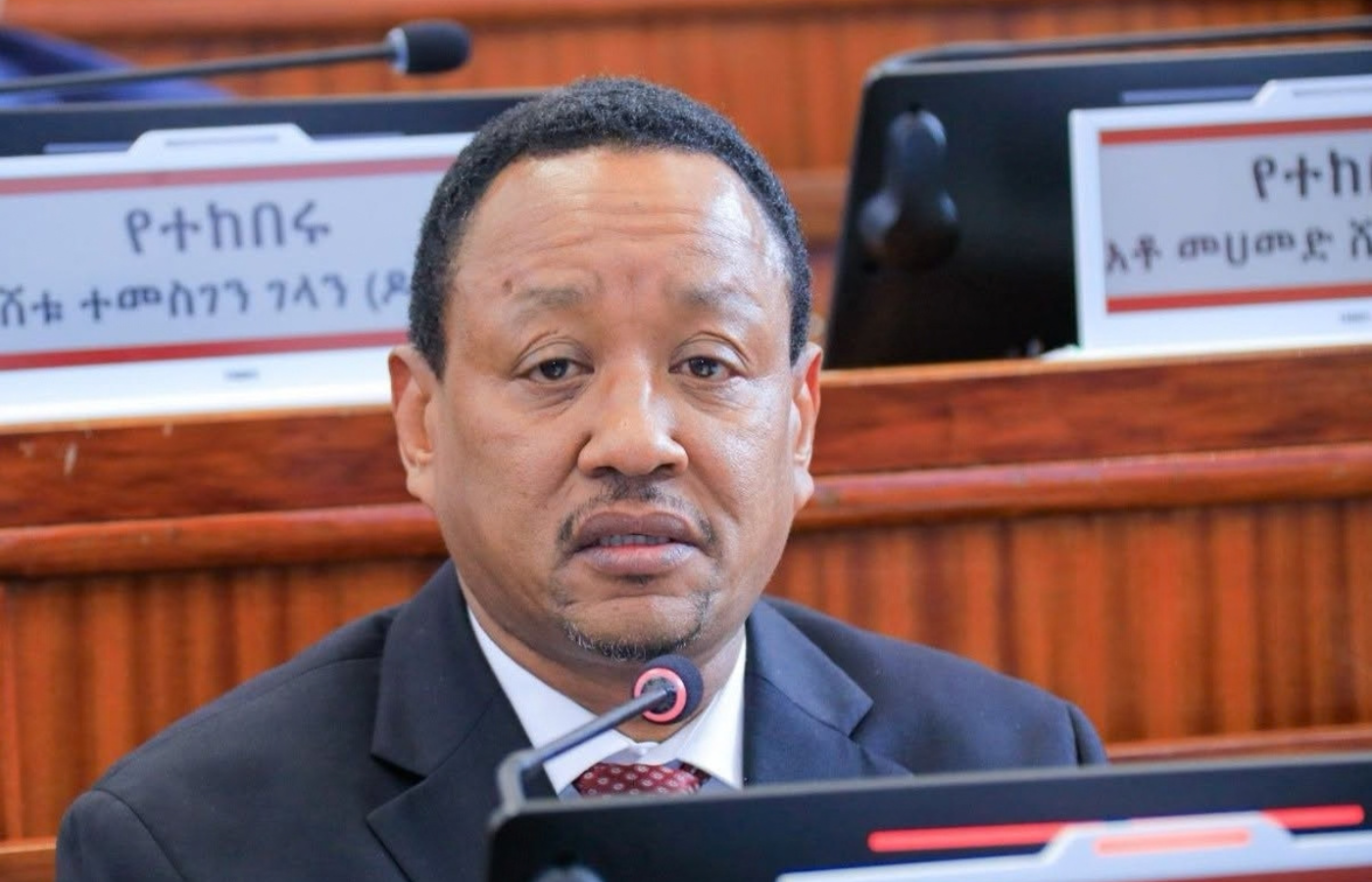
Prime Minister Abiy Ahmed’s new administration is moving to replace Ethiopia’s Ministry of Planning and Development with a Ministry of National Strategy, one of the most significant institutional changes proposed under a restructuring of the federal executive being debated by Parliament.
The House of Peoples’ Representatives began considering the draft proclamation on Wednesday, October 7, during the first special session of Ethiopia’s seventh Parliament. The legislation sets out the names, organisational structures, powers and responsibilities of federal executive institutions for the new government.
Despite the restructuring, the total number of ministries will remain unchanged at 22, according to an explanation presented to lawmakers by government representative Fikadu Tessema.
The most notable change is the proposed transformation of the Ministry of Planning and Development into the Ministry of National Strategy, signalling a potentially broader role for the institution beyond conventional development planning.
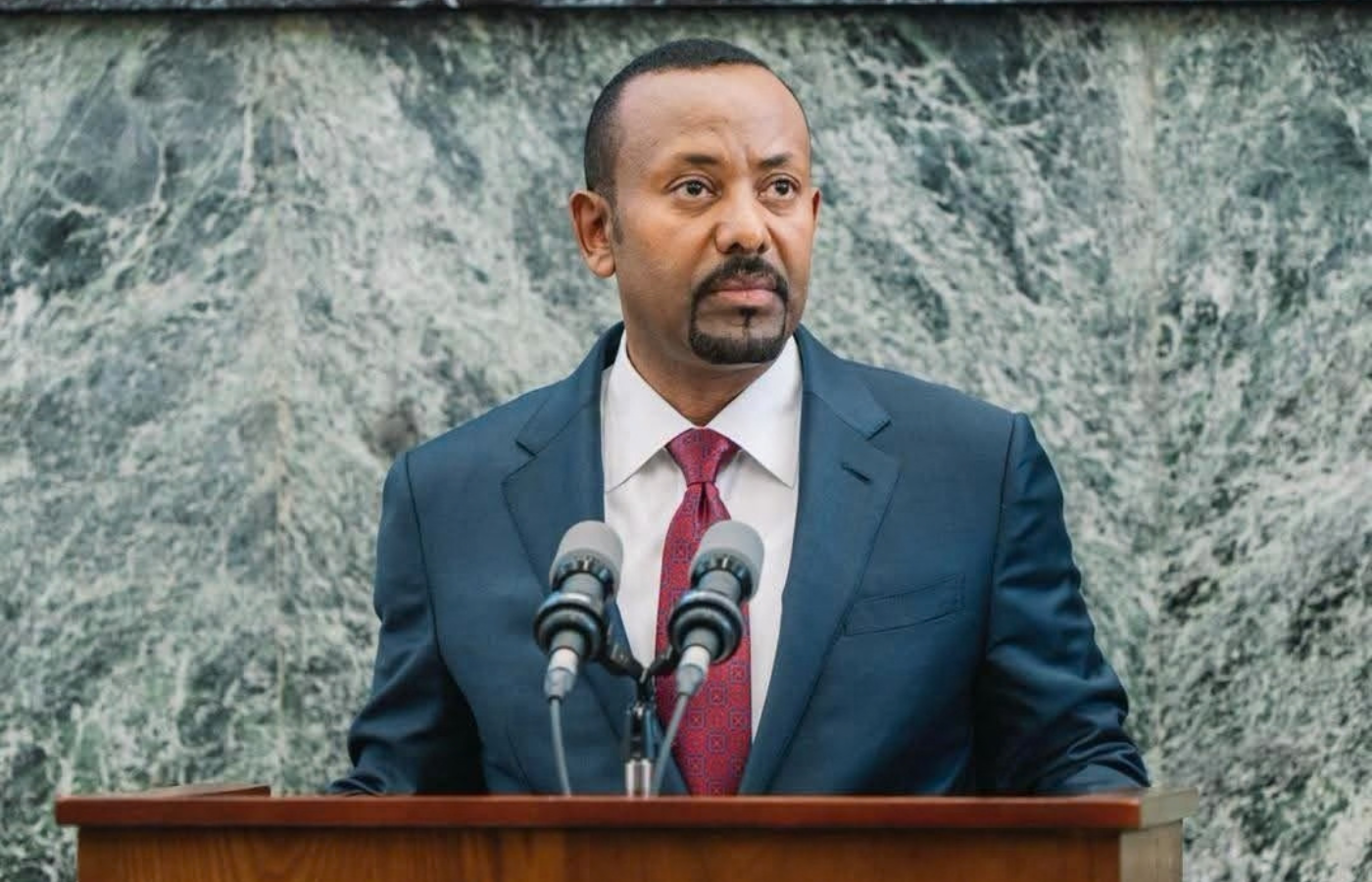
The draft proclamation, presented by the new government whip, Fekadu Tessema, is expected to define the mandate of the new ministry, including which responsibilities currently exercised by the Planning and Development Ministry will remain under it and whether additional strategic and policy-coordination functions will be transferred to the institution.
Planning and Development Minister Fitsum Assefa (PhD) presented lawmakers with a detailed explanation of the proposed restructuring during the session.
The government said the changes were intended to improve the effectiveness of federal institutions and better align their structures with their respective mandates.
Another major change would see the Ministry of Transport and Logistics renamed the Ministry of Logistics, removing transport from the ministry’s title. The restructuring raises questions over how transport-related responsibilities will be distributed under the new executive arrangement, with the detailed division of powers expected to be outlined in the proclamation.
The government is also reorganising responsibilities covering youth, sport, culture and tourism.
Under the proposal, the former Ministry of Culture and Sport will become the Ministry of Youth and Sport, giving youth affairs a dedicated place within the ministerial structure alongside sport.
Culture, meanwhile, will move to the tourism portfolio, with the existing Ministry of Tourism becoming the Ministry of Culture and Tourism.
The changes effectively separate culture from sport while bringing culture and tourism under a single federal ministry.
The restructuring comes as Abiy begins a new five-year term following the formation of Ethiopia’s seventh federal government, giving the administration an opportunity to reshape the machinery through which its economic, social and political priorities will be implemented.
While the overall size of the ministerial structure remains unchanged, the proposed changes indicate a shift in emphasis within the federal executive, particularly through the replacement of the country’s principal planning institution with one carrying the broader title of “National Strategy.”
The significance of that shift will ultimately depend on the powers assigned to the new ministry once Parliament completes consideration of the proclamation.
For related coverage on federal cabinet appointments and administrative reforms, read our article on Abiy Reshuffles Senior Government Posts, Names New PMO Chief or explore our overview on Who Are Abiy Ahmed’s New Cabinet Ministers? Full List & Analysis.




