

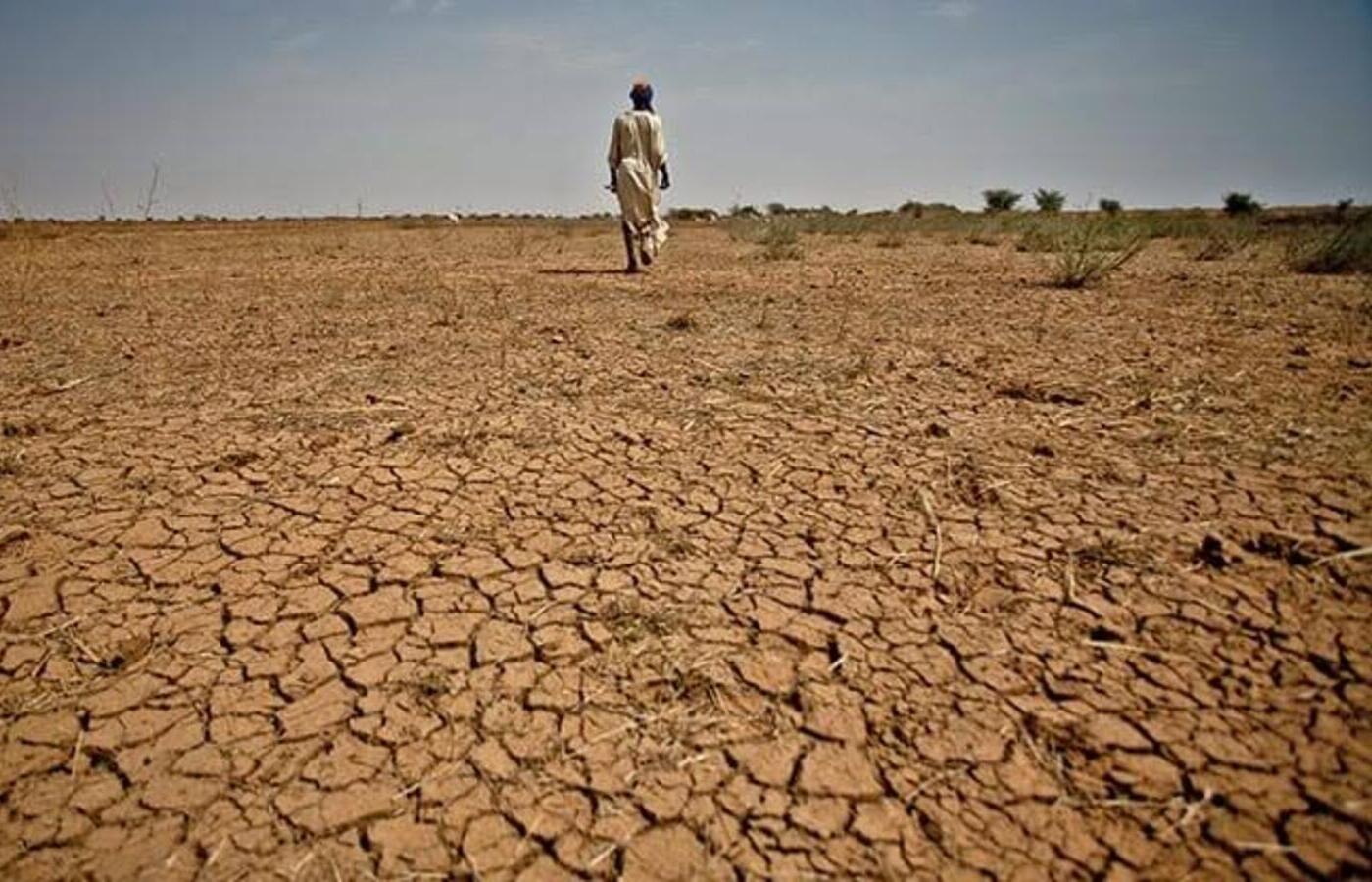
Ethiopia's climate shocks hit farms first, but factories pay the price two years later. And policymakers are flying blind.
The rains will return. They always do. But for Ethiopia's factories, the drought is just beginning.
When El Niño disrupts rainfall over the Ethiopian highlands, the immediate damage is familiar: withered crops, dying livestock, pastoralist communities pushed to the brink. Emergency appeals go out. Humanitarian corridors open. The world responds. Then the rains come, and the crisis is declared over.
The research says otherwise.
The most damaging consequences of Ethiopia's climate shocks do not unfold during the drought. They surface two years later, inside industrial parks, processing plants, supply chains, credit markets, and the paychecks of unskilled workers. By the time they appear, the damage is already locked in.
Agriculture makes up 30 percent of Ethiopia's economy and more than 70 percent of its employment. When farms fail, the shock ripples outward through supply chains, credit markets, and wage bills, straight into the industrial heart of the economy.
This is the hidden architecture of climate shock in Ethiopia: a crisis that starts in the soil and ends on the factory floor, long after the emergency declarations have been filed away. And the country is dangerously unprepared for it.
Solomon Zena (PhD), a researcher on climate-related economic risk in Ethiopia, does not hedge when asked whether the country is ready for the next El Niño shock.
"Are we ready? I don't think so," he says.
Solomon has spent years modeling the economic aftershocks of climate disruption. His simulations trace a clear path: El Niño hits agricultural productivity; output falls; and because agriculture anchors the economy, the shock radiates through every sector.
But his sharpest warning is not about the drought. It is about what comes after, and how unprepared Ethiopia's institutions are for the delayed, compounding damage that follows.
"We didn't see any research findings and such a kind of conference here," he says, referring to the rare gathering of researchers and policymakers examining these questions. "The policymakers and other institutions should coordinate to take action every time, not investing a lot of money after it is happening."
Ethiopia is reacting to climate shocks when it should be anticipating them. The price of that posture is measured in lost harvests, lost industrial productivity, lost jobs, and widening inequality.
The most striking finding from research on climate shocks and Ethiopian agro-processing firms is not the scale of the damage. It is the timing.

Agri-dependent firms show no significant productivity loss in the year of a drought, or even the year after. The worst effects hit in year two, once inventories are depleted and supply-chain damage can no longer be worked around. By then, the crisis has moved from farms to factories, from rural livelihoods to urban employment, from agricultural output to industrial productivity.
The implication is damning: support triggered by visible production declines will arrive two years too late for the firms most vulnerable to drought.
Ethiopia's drought early-warning systems track rainfall and crop conditions. They do not track what happens to factories. Climate risk is treated as an agricultural problem, not an industrial policy issue. Without warning systems that reach into industry, policymakers are always reacting late, and by the time factories feel the pain, the damage is already locked in.
The primary transmission channel is a shortage of domestically sourced raw materials. When drought cuts the supply of local agricultural inputs, firms fail to substitute with imports. In surveys, nearly two-thirds of firms named raw material shortages as a serious disruption. Almost half called it their single biggest operational problem.
The supply chain breaks down in two stages. Initial shortages ease as firms find alternatives. Then they deepen again as soil damage, livestock losses, and broken supplier relationships permanently shrink the agricultural input base.
Repeat exposure is the norm, not the exception. About 90 percent of firms hit by the 2016 drought had also been hit in 2011. For those firms, total productivity loss exceeds the sum of the two shocks by 31 percent.
The compounding effect is brutal. When the second drought strikes, firms enter it with depleted reserves, weakened supplier networks, and no financial buffers left. Each shock leaves scars; the next reopens them.
As droughts grow more frequent, a trend climate scientists expect to accelerate, this compounding effect will intensify. Every shock will find Ethiopian industry less resilient than the last.
Firms are not failing to adapt because resilience investment is unprofitable. The barrier is access to credit.
In surveys, 67 percent of firms cite lack of credit as the primary obstacle to investing in climate-resilient capital. This is not an efficient equilibrium. It is a market failure, and one that targeted financial interventions could fix.
Capital spending is strikingly immobile during droughts: firms neither disinvest nor upgrade. The result is persistent productivity loss. Firms cannot reconfigure their inputs optimally and instead absorb the entire adjustment through variable costs, and when revenues fall, they cut costs where workers have the least power to resist.
Rather than lay workers off, Ethiopian firms cut wages, and they do so selectively. The pay of unskilled production workers dropped by roughly a quarter during drought events. Skilled administrative staff were left largely untouched.
Climate shocks do not just shrink the economic pie. They quietly widen inequality inside the workplace, loading the burden onto those least able to carry it.
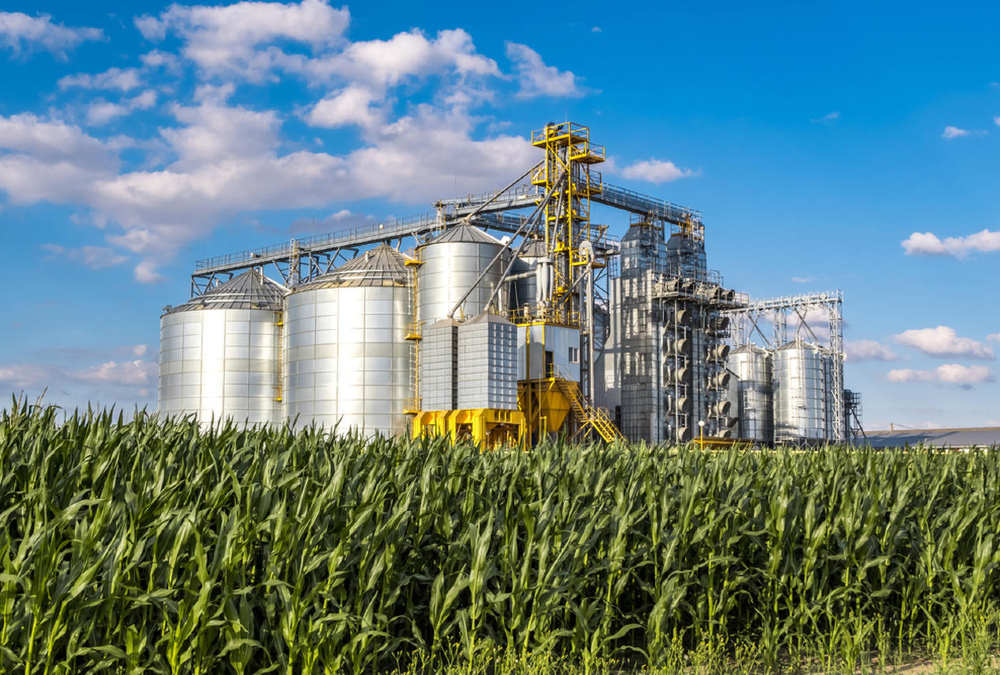
Professor Marcin Piatkowski of the University of Warsaw offers three lessons from Poland's experience, lessons that land hard for Ethiopia.
First, the safety net. A strong social safety net keeps society inclusive and ensures that whatever shocks arrive, environmental or economic, can be absorbed. Poland spends a substantially larger share of GDP on social policies than South Korea, which redirected funds toward research and development. The question for Ethiopia is not whether to strengthen its safety net, but how to expand it fast enough to protect the most vulnerable.
Second, institutions. None of the safety net or policy measures will happen unless the state can design, conceptualize, and implement them. Strong institutions are prerequisites for both mitigation and adaptation. The World Bank and the European Union stand ready to help.
Third, and here Piatkowski is deliberately blunt, there is no better way to deal with environmental shocks than to get rich in the first place.
Poland's 1997 flood had a massive monetary impact. Many people lost their homes. But it had zero impact on the economy. Why? Poland had already transformed. Agricultural employment fell from roughly one-third of the labor force four decades ago to a small fraction today. Agriculture, Poland's second-largest export sector at 55 billion euros annually, represents just 2.5 percent of GDP.
"The best way to deal with all these shocks in the future," Piatkowski argues, "is trying to continue to sustain 9, 10, 12 percent growth rate per year. Because if you have money, it will give you institutions, and it will give you ways of ensuring that the least number of people are affected."
Ali Zafar, a veteran agro-processing industrialist, points to a critical weakness: Ethiopia is a "classic famine story." The government has done a lot. Production is high. The country has enough food to feed itself. Yet food deficits persist in some regions while surpluses sit elsewhere.
The problem is logistics and market coordination.
"When I lived in Bangladesh, it was the private sector that moved food around the country and helped Bangladesh escape famine," Ali recalls. "There is significant scope for the private sector in logistics and education."
But the deeper issue is coordination between regional and federal governments. Regional governments have done impressive work at the micro level, in the Somali region, for instance, but that knowledge never reaches federal early-warning systems or the Ministries of Agriculture and Finance. The left hand and the right hand are not communicating.
Ethiopia has knowledge scattered across the country. It does not have it in a holistic framework. What is needed is a nationally led, regionally inputted emergency warning system that covers every element of the crisis, backed by solid regional data to anticipate what will happen to markets and production.
Ali also flags a darker risk: growing conflict between pastoralists and sedentary farmers over resources, already visible in the Somali region. El Niño could inflame those tensions, especially when multiple shocks converge.
The Ethiopian Disaster Risk Management Commission is not standing still.
Deputy Commissioner Idris Hassan says forecasts indicate El Niño could affect 178 woredas, or districts, across 37 zones. "Preparations are underway in coordination with relevant bodies at all levels," he notes.
He adds that El Niño could trigger both drought and flooding. "Information exchange plays a critical role in minimizing damage," he says.
According to Idris, regions and city administrations are working to strengthen their own preparedness, response, and recovery capacities so they can withstand disasters with their own resources. "Work is being carried out based on forecast information to reduce damage," he adds.
But the gap between preparation and the scale of the challenge remains wide.
Extend early-warning systems to industry. Drought monitoring must track not just rainfall and crops, but factory inventories, supply chains, and credit conditions.
Unlock credit for resilience investment. The 67 percent of firms citing credit constraints is a market failure that targeted financial interventions can fix.
Build a nationally led, regionally fed emergency warning system that connects the knowledge already scattered across Ethiopia's regions to the federal institutions that need it.
Ethiopia's climate shocks are not just agricultural crises. They are industrial crises in disguise, transmitted through supply chains, credit markets, and wage bills. The experts' warning echoes across the research: Ethiopia is not ready. The policy frameworks, financial systems, and support mechanisms are all designed around the assumption that the crisis ends when the rains return.
The rains will return. The crisis will not wait.




