


Central bank demands practical measures as stricter banking rules take effect across investment hubs developed with more than 1.5 billion US dollars in public funding.
The National Bank of Ethiopia (NBE) has called on commercial banks to address persistent gaps in financial services within the country’s special economic zones and free trade zones, pressing lenders to move beyond identifying problems and implement practical solutions as the government expands its investment and export infrastructure.
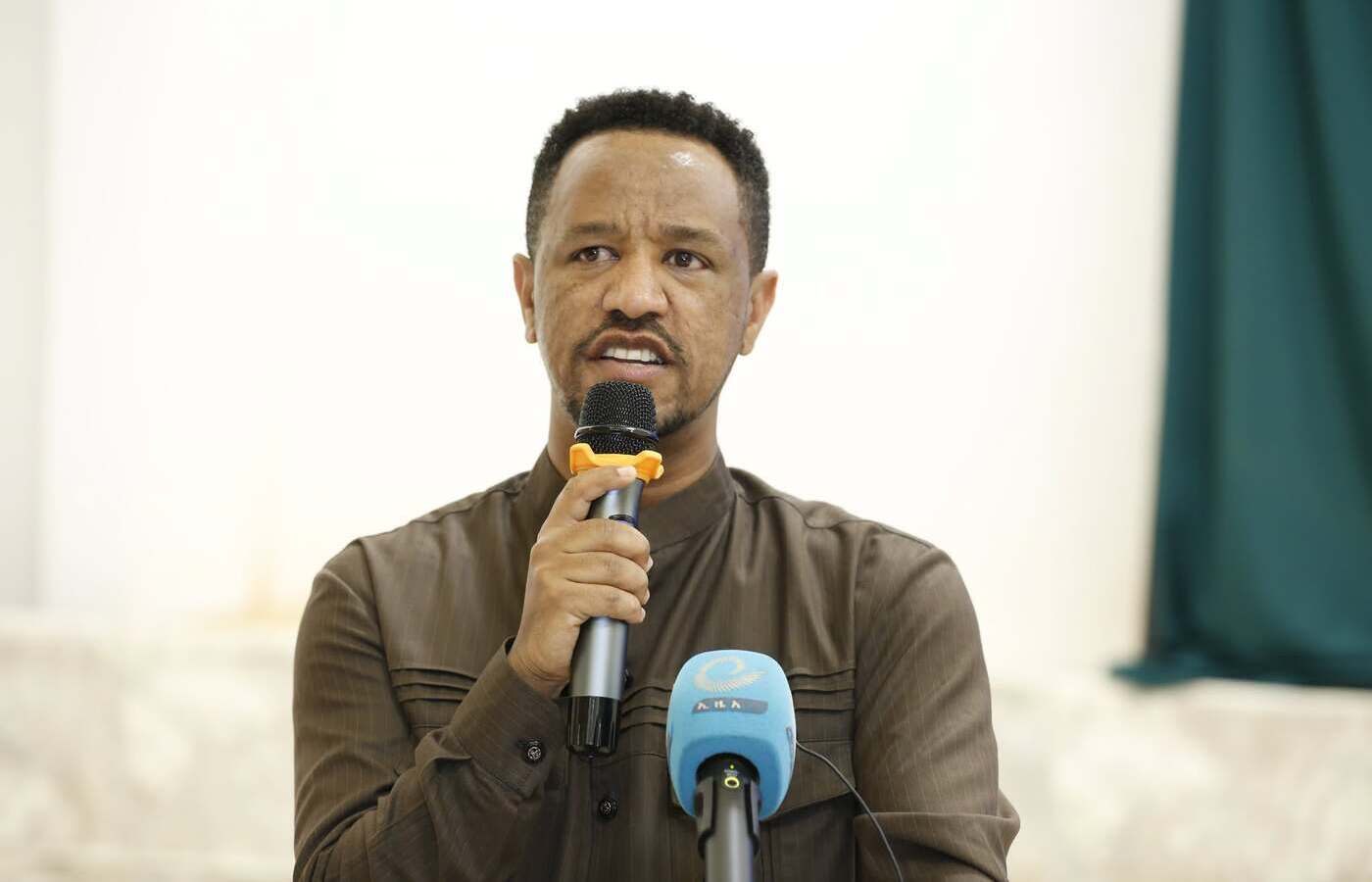
NBE Vice Governor Solomon Desta said shortcomings identified in financial service delivery must be translated into concrete proposals and implemented by financial institutions under the central bank’s direction.
The intervention comes despite a series of regulatory reforms intended to expand banking access within the zones, including a dedicated licensing directive introduced in January 2026 that requires participating banks to provide foreign exchange services and meet additional financial and operational standards.
The central bank’s latest push places attention on the implementation of these reforms as Ethiopia seeks to attract more investors into industrial parks, manufacturing centres and free trade zones that depend on banking services for payments, foreign exchange transactions, working capital and international trade.
For years, banking services in Ethiopia’s industrial parks were largely provided by the state-owned Commercial Bank of Ethiopia. That arrangement has since been opened to other commercial banks, although their participation remains subject to regulatory approval and financial eligibility requirements.
During a consultation with financial institutions in March 2026, the Industrial Parks Development Corporation (IPDC) disclosed that more than 1.5 billion US dollars had been invested in developing the zones. The consultation brought together executives from 31 financial institutions and representatives of the central bank, the Ethiopian Investment Commission and IPDC to discuss banking service delivery.
The expansion of banking participation followed the adoption of Special Economic Zone Proclamation No. 1322/2024, approved by Parliament in April 2024. The law established a broader investment framework covering manufacturing, trade, logistics and other economic activities, replacing the narrower industrial park model with a regime offering additional tax, customs and administrative incentives.
Under the proclamation, eligible investors benefit from customs exemptions, zero-rated value-added tax treatment for qualifying transactions and other incentives. These include provisions covering construction material imports, dividend income and the employment income of qualifying foreign nationals.
The legislation also mandates the National Bank to establish the criteria and licensing standards for financial institutions operating within special economic zones.
Acting under that framework, the central bank issued Directive No. SBB/99/2026, effective January 6, 2026, introducing separate licensing requirements for bank branches operating within the zones.
The directive prohibits banks from operating branches in special economic zones without obtaining the central bank’s approval. Licensed branches must provide foreign exchange services and make their banking services available to individuals and businesses resident in the zones.
Beyond licensing, the directive imposes financial conditions on banks seeking entry. Applicants must generally hold at least one percent of the banking sector’s total assets and maintain a capital adequacy ratio two percentage points above the applicable regulatory minimum for four consecutive quarters before applying.
Banks must also comply with minimum liquidity requirements, remain within regulatory limits on non-performing loans and demonstrate a satisfactory record of settling foreign exchange and other international banking obligations.
The rules restrict licensed branches to serving residents and businesses operating within their respective zones. The central bank also retains the authority to limit the number of branches operating in individual zones.
Banks already operating in areas subsequently designated as special economic zones have been granted a two-year transition period, ending in January 2028, to comply with the requirements. Non-compliant branches may be required to relocate or close.
These provisions establish both an expanded framework for banking participation and additional conditions governing which lenders can operate inside the zones. The obligation to provide foreign exchange services is particularly relevant to businesses importing machinery and production inputs or receiving payments from overseas buyers.
Solomon said the central bank has also introduced broader measures affecting the operation of the zones, including foreign exchange market reforms and improvements to the national payment and settlement infrastructure.
Ethiopia’s foreign exchange reforms, introduced in July 2024, shifted the country towards a market-based exchange rate system. The NBE also upgraded its existing Real-Time Gross Settlement system to the ISO 20022 international financial messaging standard in March 2025, strengthening infrastructure for high-value interbank payments.
The banking measures accompany the expansion of Ethiopia’s special economic zone network.
According to IPDC figures released in March 2026, more than 290 domestic and foreign investors were operating across 14 investment hubs managed by the corporation. Of these facilities, 11 have been designated as special economic zones, while three remain industrial parks.
Domestic investors accounted for 58.5 percent of active investments, according to figures reported by IPDC, reflecting a change from earlier years when foreign investors dominated the facilities.
The Dire Dawa Free Trade Zone, inaugurated in August 2022 as Ethiopia’s first free trade zone, represents a central part of the government’s effort to expand trade and logistics activities beyond conventional industrial manufacturing.
Located along Ethiopia’s main trade corridor towards Djibouti, the zone was established to facilitate imports, exports, logistics and commercial activities. IPDC reported in early 2026 that goods valued at more than 100 million US dollars had entered the zone since it commenced operations, while the government had set a target of handling nearly 4 billion US dollars in goods over five years.
The expansion is occurring alongside an increase in reported investment inflows.
Ethiopia attracted 4.32 billion US dollars in foreign direct investment during the 2025/26 fiscal year, an eight percent increase from the preceding year, according to the Ethiopian Investment Commission.
Exports from special economic zones reached 225 million US dollars during the same period, representing an 80 percent year-on-year increase.
The momentum continued into the first quarter of the 2026/27 fiscal year, when the Commission reported 1.432 billion US dollars in foreign direct investment, a 49 percent increase from the corresponding period a year earlier and above its quarterly target of 900 million US dollars.
The Commission also reported the signing of 110 investment agreements in special economic zones and free trade zones, against a target of 50. Export revenue from investment projects across the country reached 238 million US dollars during the quarter, while more than 22,000 jobs were reported to have been created.
The investment and export figures reflect expanding economic activity, although national foreign direct investment totals cover sectors and projects beyond special economic zones. Likewise, investment agreements represent commitments rather than necessarily completed or operational projects.
The central bank’s latest intervention therefore follows an expansion of the legal framework, investment incentives and banking eligibility rules, with the next phase focused on translating those measures into financial services available to businesses operating within the zones.
Solomon’s announcement did not provide a quantified assessment of the remaining financing gaps, the number of additional banks expected to begin operations or a timetable for implementing the proposed corrective measures.



