Corruption across customs, border security, banking, immigration and judicial institutions is enabling human trafficking, illegal mineral exports, trade misinvoicing and money laundering, threatening foreign currency earnings, tax revenues and national security.
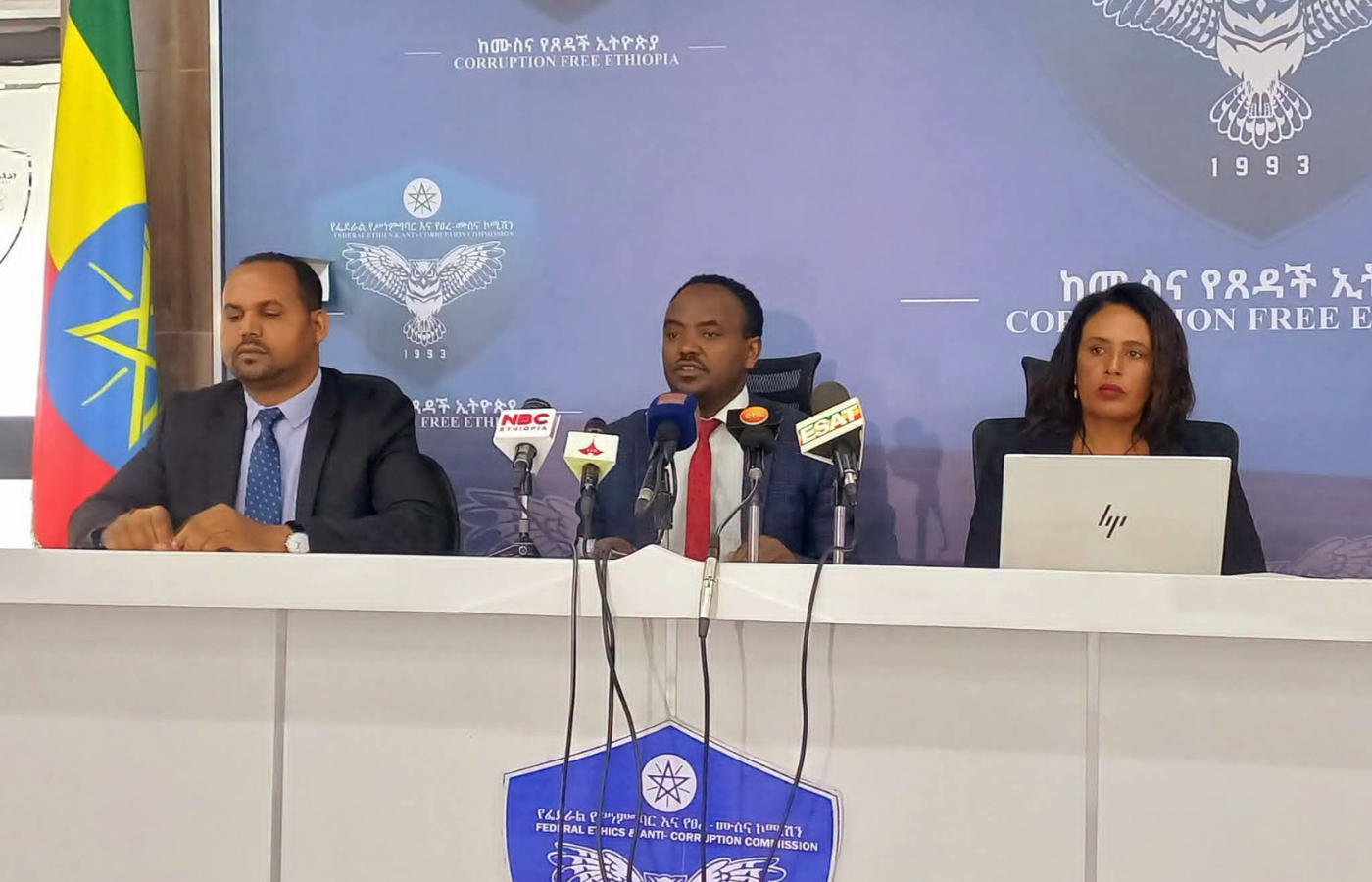
Corruption within Ethiopia's public institutions is facilitating illicit financial flows, cross-border smuggling, human trafficking and illegal mineral trading, exposing the country's foreign currency earnings and public revenues to organised criminal networks, according to a government assessment.
The assessment identifies bribery and collusion involving officials in customs, immigration, local administration, financial institutions, law enforcement and the judiciary as mechanisms through which criminal networks exploit weaknesses in public controls.
It describes several channels through which corruption facilitates illegal activities, including the issuance of fraudulent identity documents, manipulation of import and export declarations, compromised border inspections and interference in criminal investigations and prosecutions.
One area of concern is human trafficking, where officials in some district, kebele, vital registration and immigration offices are accused of accepting bribes to produce fraudulent birth certificates, identity cards and passports for underage individuals.
The documents enable brokers and trafficking networks to facilitate the movement of minors across borders using falsified identities.
The assessment also identifies alleged bribery involving some law enforcement officers and traffic police in border areas, allowing brokers to transport people across borders without undergoing proper inspections.
Corruption is also reported to affect the prosecution of trafficking suspects. Some police officers, prosecutors and judicial officials are accused of facilitating the disappearance of case files, intimidating witnesses and securing the release of suspects without adequate guarantees.
These practices expose people to deaths during journeys through deserts and across seas, sexual violence, forced labour and human organ trafficking. Weak border controls also create opportunities for the movement of armed groups and weapons.
Trade fraud and money laundering threaten foreign currency
The assessment identifies trade misinvoicing as a major mechanism through which corruption facilitates illicit financial flows and the concealment of foreign currency earnings.
Importers allegedly inflate the declared value of imported goods, while exporters understate the value of their shipments, sometimes in collusion with customs and tax officials. The manipulation allows businesses to conceal funds and retain foreign currency in overseas bank accounts rather than repatriating the full proceeds through official channels.
The banking sector is also identified as vulnerable to corruption involving some financial institution employees and money transfer operators. Their alleged collusion enables the manipulation of foreign currency allocations and the conversion of illegally obtained money into apparently legitimate funds.
Real estate and construction provide another channel for laundering criminal proceeds. The assessment describes how money obtained through illegal activities is allegedly invested in urban land and buildings, sometimes through transactions involving inflated property valuations.
Such practices can distort property markets while allowing illicit proceeds to enter the formal economy.
The assessment warns that these activities result in billions of dollars leaving the country annually, reducing foreign currency availability for essential imports, including medicines and fuel.
The issue comes amid Ethiopia's broader efforts to strengthen foreign currency inflows, expand formal export earnings and improve the availability of foreign exchange for businesses and essential imports.
Illegal mineral exports bypass formal channels
Corruption is also identified as facilitating the illegal extraction, trading and cross-border movement of gold and other valuable minerals.
At regional and district levels, some officials are accused of issuing mining licences to front companies without adequate assessments while overlooking land encroachment and environmental damage.
The assessment further identifies alleged collusion at inspection checkpoints that allows gold and precious stones to be transported into neighbouring countries instead of entering formal trading channels through the National Bank of Ethiopia.
Export misinvoicing compounds the problem, with traders allegedly understating the quality and value of exported minerals to conceal foreign currency earnings.
The resulting loss of formal export receipts reduces the country's potential foreign currency income. The assessment also warns that proceeds from illegal mineral trading can finance armed groups and conflict-related activities.
The concerns come as Ethiopia seeks to increase formal gold exports and strengthen the contribution of mineral production to foreign currency earnings. Illegal trading and under-declaration undermine efforts to capture the full value of the country's natural resources.
Six trade corridors identified as vulnerable to smuggling
The assessment also highlights corruption along major trade routes and inspection points, including Modjo Dry Port, Togochale, Moyale, Metema, Jijiga and Galafi.
Some customs officials, border security personnel and traffic police are accused of accepting bribes to allow goods to cross without proper inspection.
The commodities identified include textiles, electronics, fuel, coffee, khat and livestock, with smuggling networks allegedly exploiting weaknesses in customs enforcement and border controls.
Manipulation of the declared value and volume of imported and exported goods also facilitates tax evasion, depriving the government of customs duties and other tax revenues.
The assessment further describes cases in which seized contraband is allegedly released through corrupt arrangements, while suspects are allowed to leave custody through judicial processes involving inadequate bail conditions.
These practices create competitive disadvantages for businesses that comply with tax and customs regulations, while allowing illegal traders to operate with lower costs. They also undermine domestic manufacturers competing against goods entering the market without the applicable duties and taxes.
The broader implications extend to public finances and national security. Reduced tax collections weaken the government's capacity to finance development programmes, while the expansion of organised criminal networks increases security risks and public expenditure.
The assessment identifies the links between corruption, illicit financial flows, human trafficking, mineral smuggling and trade fraud as interconnected threats to the country's economic and institutional controls.