Kenya's transaction ceiling is more than 15 times higher, while South Africa permits incoming payments of up to 11,400 US dollars through the same extended network.
The Pan-African Payment and Settlement System (PAPSS) has specified a maximum transaction limit of 80,000 birr for incoming payments to Ethiopia through its extended network, as the country awaits full integration into Africa’s cross-border payment infrastructure.
The ceiling is disclosed in PAPSS’s November 2026 payment network coverage report, coinciding with the second edition of the Conference on Worldwide and Regional Payments (COWRY) in Addis Ababa, co-hosted by PAPSS and the National Bank of Ethiopia (NBE).
The report identifies 28 Ethiopian banks and one financial technology company as accessible through its licensed extended network partners. These institutions can receive cross-border payments, although Ethiopia’s full participation, which would enable both incoming and outgoing transactions, remains pending.
The 80,000 birr ceiling applies to individual incoming transactions routed through the extended network. PAPSS has not specified a minimum transaction amount or a cumulative daily ceiling for Ethiopia. The report describes the thresholds as indicative and subject to revision.
Ethiopia has the lowest transaction ceiling among the five African economies for which PAPSS has disclosed comparable payment thresholds. Converted into US dollars using November 26 exchange rates, Ethiopia’s ceiling is equivalent to approximately 498 US dollars, compared with 7,689 US dollars in Kenya, 1,867 US dollars in Tanzania, 1,163 US dollars in Uganda and 11,410 US dollars in South Africa.
Kenya’s transaction ceiling is more than 15 times higher than Ethiopia’s, while South Africa’s is nearly 23 times higher. Even Uganda, which has the second-lowest published threshold, permits transactions exceeding twice Ethiopia’s ceiling. PAPSS has not disclosed the criteria used to determine these country-specific limits, which apply exclusively to payments routed through its extended network.
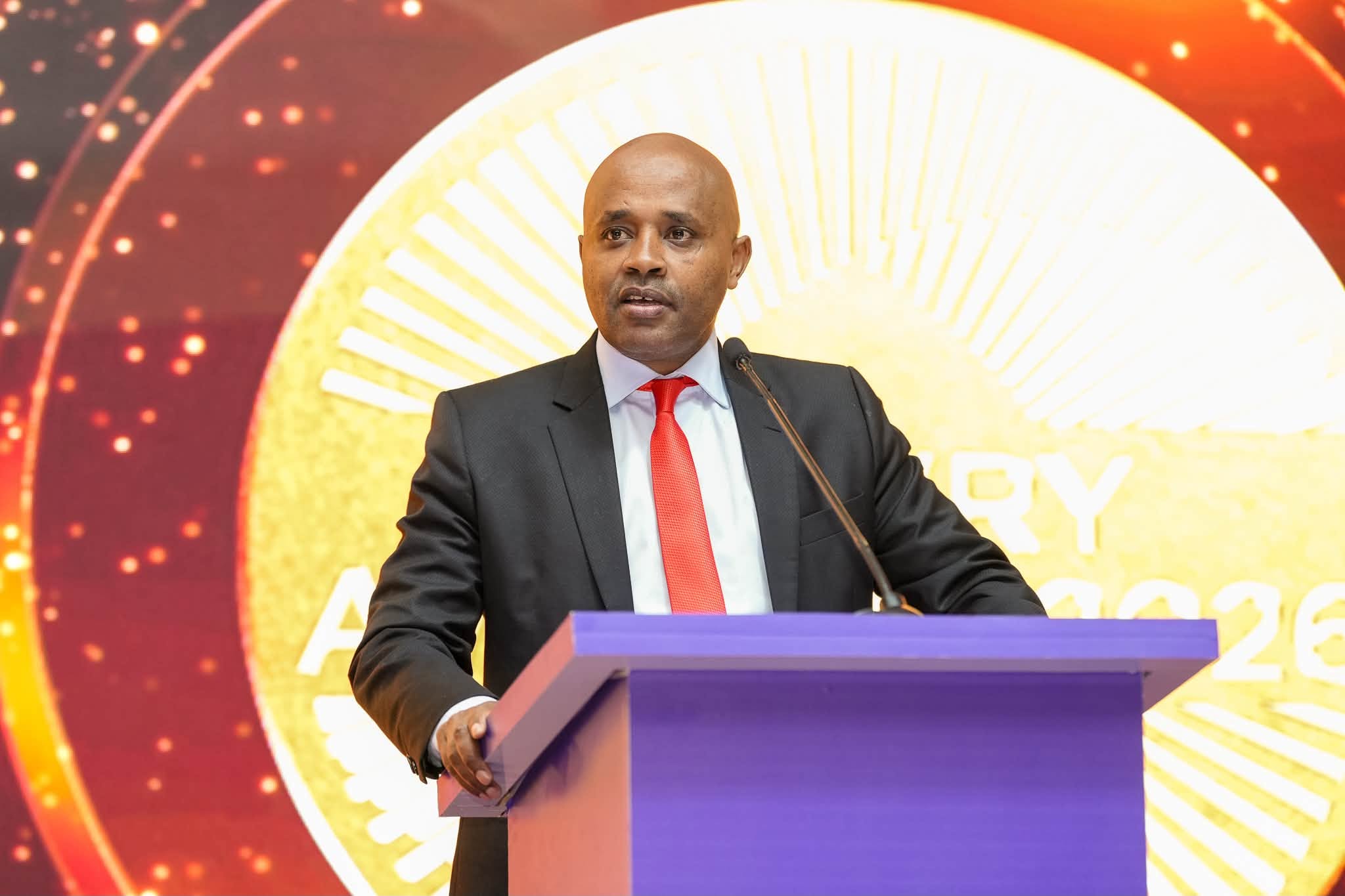
The disclosure comes six weeks after the National Bank of Ethiopia formally joined PAPSS on October 15, 2026, following a joint announcement by central bank Governor Eyob Tekalign and PAPSS Chief Executive Officer Mike Ogbalu III.
However, a review of PAPSS’s earlier network coverage report shows that Ethiopian financial institutions were already accessible through its extended network before the central bank formally joined the system.
The June 2026 report identified the same 28 banks and one fintech company as capable of receiving payments through intermediary arrangements. The number of reachable Ethiopian financial institutions has therefore remained unchanged between the June and November editions.
The November report classifies Ethiopia’s full participation status as “LIVE SOON”, alongside countries including Egypt, Algeria and the Democratic Republic of Congo. In contrast, neighbouring Kenya and Djibouti have operational participants capable of both sending and receiving payments.
For Ethiopian businesses, the 80,000 birr ceiling means commercial invoices exceeding that amount cannot be settled through a single transaction using the available extended network channel. Ethiopian importers, meanwhile, cannot yet initiate payments to African suppliers through domestic PAPSS participants.
Developed by the African Export-Import Bank (Afreximbank) in collaboration with the African Union and the African Continental Free Trade Area (AfCFTA) Secretariat, PAPSS was commercially launched in January 2022 in Accra, Ghana, following a pilot programme in the West African Monetary Zone.
The system was established to address the costs and delays associated with settling intra-African transactions through correspondent banking networks, which frequently involve converting African currencies into internationally traded currencies before converting them into the recipient’s domestic currency.
Under PAPSS, a Kenyan importer, for instance, can initiate a payment in Kenyan shillings while an Ethiopian recipient receives the equivalent amount in birr, where the relevant payment corridor is operational.
The system operates through instant payment processing, pre-funding and net settlement arrangements involving participating financial institutions. While customers can transact in local currencies, the underlying system still requires liquidity, currency conversion and settlement arrangements.
At its commercial launch, Afreximbank estimated that the continental payment infrastructure could save Africa five billion US dollars annually in transaction costs. The estimate represented anticipated savings from wider adoption rather than savings already realised.
Ethiopia’s integration into PAPSS coincides with the implementation of its commitments under the AfCFTA, which the country ratified in April 2019.
Ethiopia officially commenced preferential trading under the agreement in October 2025, with shipments of coffee, meat, fruits, vegetables and pulses to African markets.
Between October 2025 and May 2026, Ethiopia exported more than 14.4 million US dollars worth of goods under the continental agreement, while imports stood at approximately 8.65 million US dollars, according to data from the Ministry of Trade and Regional Integration.
A total of 37 Ethiopian businesses participated in exports under the preferential trading arrangement, compared with 76 companies engaged in imports.
The development of cross-border payment infrastructure is a separate component of continental integration from the elimination of customs duties. While AfCFTA tariff concessions reduce the cost of eligible goods entering participating markets, payment systems determine how businesses transfer and receive funds across national borders.
Ethiopia’s participation also follows extensive changes to its foreign exchange regime since July 2024, when the central bank introduced a market-based exchange rate system, allowing commercial banks to negotiate foreign exchange buying and selling rates with customers.

Subsequent reforms have progressively relaxed restrictions on foreign currency accounts, export proceeds retention and international payments.
However, receiving payments in birr through PAPSS differs from receiving export proceeds in foreign currency. Businesses receiving local currency payments would not automatically accumulate foreign currency balances for financing imports, servicing external debt or meeting other foreign currency obligations.
The November report does not explain how local currency receipts from commercial exports will be treated under Ethiopia’s existing export proceeds repatriation and retention requirements.
PAPSS reports that its continental network now reaches more than 450 financial institutions across 37 African countries, including over 200 operational participants and more than 250 institutions accessible through its extended network.
Despite Ethiopia’s formal accession, the report provides no timeline for activating outbound payments, identifies no Ethiopian banks as fully operational participants and does not indicate whether the 80,000 birr transaction ceiling will remain in place once the country’s full integration is completed.
Neither the reason for the existing ceiling nor the date of its introduction is specified in the report.