Industrial parks corporation reports rising local participation as it seeks to attract investment across manufacturing, agro-processing and pharmaceutical industries
Domestic investors accounted for 72 percent of active investments in Ethiopia’s special economic zones (SEZs) as of August 2026, up from 58.5 percent in March, according to the Industrial Parks Development Corporation (IPDC).
The increase points to a growing role for local businesses in the country's industrial parks, where the government is seeking to expand manufacturing capacity, increase exports and diversify industrial production.
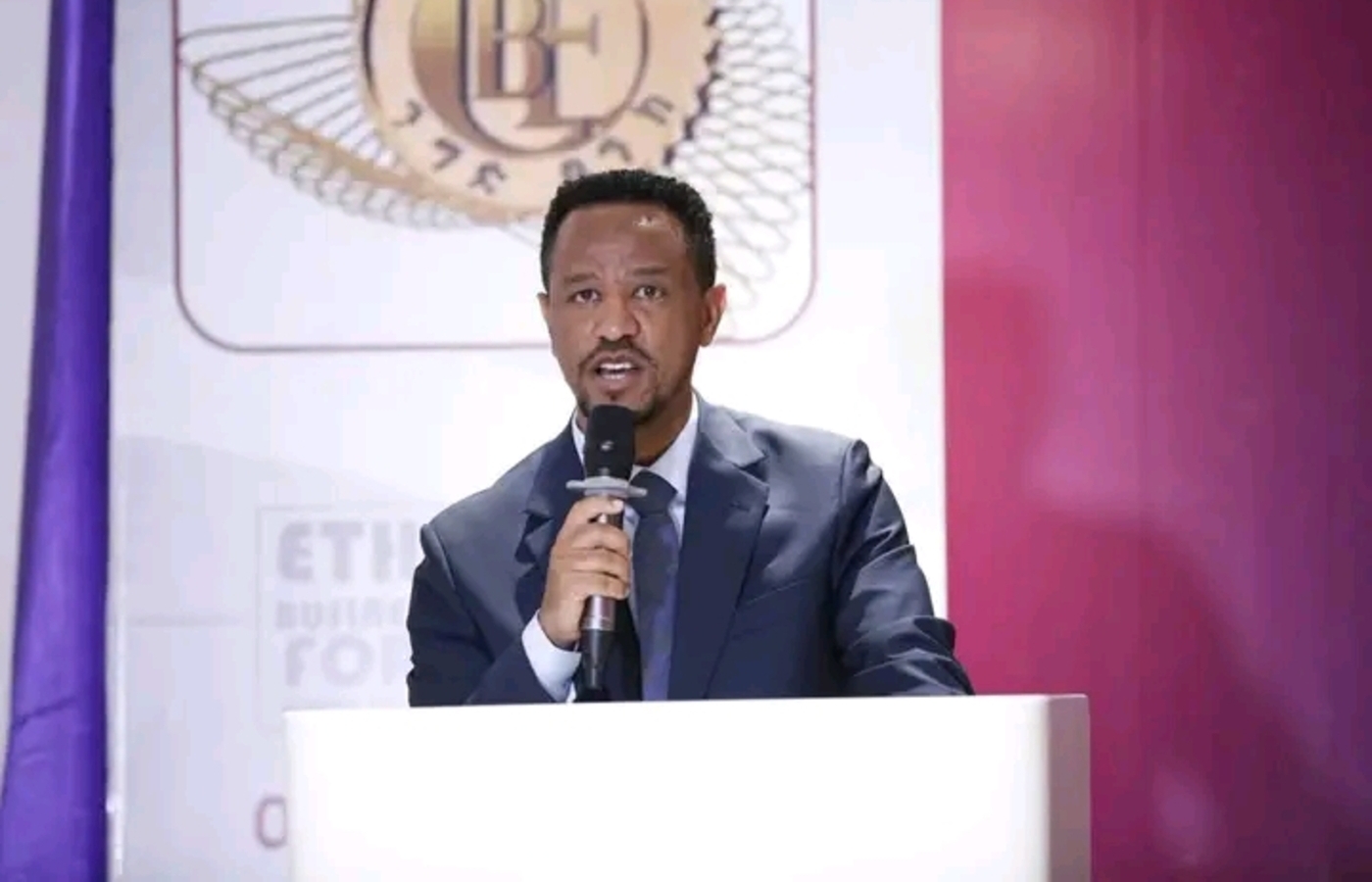
IPDC Chief Executive Officer Fitsum Ketema presented the corporation's investment opportunities and performance at the Ethiopian Business and Investment Forum (EBIF 2026) on November 28, 2026, outlining the facilities and support available to domestic and foreign investors.
Fitsum cited Ethiopia's strategic location, domestic market, natural resources, workforce and infrastructure development as factors supporting its investment potential. He said industrial parks and special economic zones provide serviced land, ready-built factory buildings, utilities and one-stop investment facilitation services.
"Ethiopia is open for business. The opportunities are here, partnership is encouraged, and the corporation is ready to work with investors," Fitsum said.
He said the corporation's services are intended to support investors throughout the establishment and expansion of their businesses, while industrial parks provide infrastructure for manufacturing and export-oriented activities.
According to IPDC, domestic investment has increased alongside efforts to attract businesses into sectors beyond textiles and garments. The corporation has identified agro-processing, pharmaceuticals, construction materials, machinery and logistics as priority areas for investment.
Solar panel manufacturers operating in Hawassa SEZ have also entered export markets, generating millions of dollars in monthly sales, according to the corporation. The development reflects the expansion of manufacturing activities within industrial parks beyond the established textile and garment industry.
Fitsum said the government had invested more than 1.5 billion US dollars in industrial park infrastructure. More than 290 domestic and foreign investors are operating across 14 IPDC-managed investment hubs, he added.
The corporation also reported that its overall export earnings had more than doubled year-on-year.
Ethiopia's Special Economic Zones Proclamation provides the legal framework governing investment and business activities in the zones, establishing a regulatory structure for companies operating within designated areas.
Hawassa SEZ remains one of the country's major textile and garment manufacturing centres. Built at a cost of 250 million US dollars, the park employed more than 35,000 workers at its peak, most of them young women entering formal employment for the first time.
In the agro-processing sector, Yirgalem Agro-Industrial Park generated more than 2.5 million US dollars from avocado oil exports to European markets during the first nine months of 2026. Of the 34 companies that signed investment agreements at the park, 10 were fully operational, according to IPDC.
Kilinto SEZ is being developed as a pharmaceutical manufacturing centre, with tax incentives intended to attract companies in the sector. Bayer has expressed interest in the park, while the World Bank has identified Ethiopia among five countries with priorities for pharmaceutical industry development.
IPDC has also introduced incentives targeting domestic manufacturers, particularly small and medium-sized enterprises. In June 2026, the corporation introduced a policy granting eligible manufacturers four years of free access to selected industrial parks, together with reduced service fees.
Under the first phase, 10 hectares of serviced land in Bole Lemi and Kilinto industrial parks were allocated to 26 medium-sized enterprises. The facilities include electricity, water, telecommunications and sewage infrastructure.
In August 2026, IPDC signed a memorandum of understanding with the Entrepreneurship Development Institute (EDI) to provide manufacturing space, access to special economic zones and logistics support for startups and small and medium-sized enterprises.
Fitsum said the partnership was intended to help emerging businesses access industrial facilities and expand their manufacturing operations. The arrangement is also expected to connect eligible enterprises with infrastructure and support services available through IPDC.
Despite the reported growth in investment, industrial park operators continue to face challenges related to infrastructure and export competitiveness. Energy supply, waste management and logistics remain among the issues affecting manufacturing operations.
The suspension of Ethiopia's benefits under the African Growth and Opportunity Act (AGOA) also exposed the vulnerability of export-oriented manufacturers to changes in international trade arrangements.
Addressing these constraints, improving trade facilitation and strengthening infrastructure will be important to sustaining investment and ensuring that industrial parks support competitive production for domestic and international markets.
Fitsum said IPDC would continue providing support to investors at different stages of their projects, including establishment, expansion and aftercare. He called on prospective domestic and foreign investors to engage with the corporation to obtain information on available industrial facilities and investment opportunities.
The corporation's investment strategy places emphasis on attracting local businesses while expanding participation from international investors, with the objectives of increasing manufacturing activity, creating employment and strengthening export capacity.