

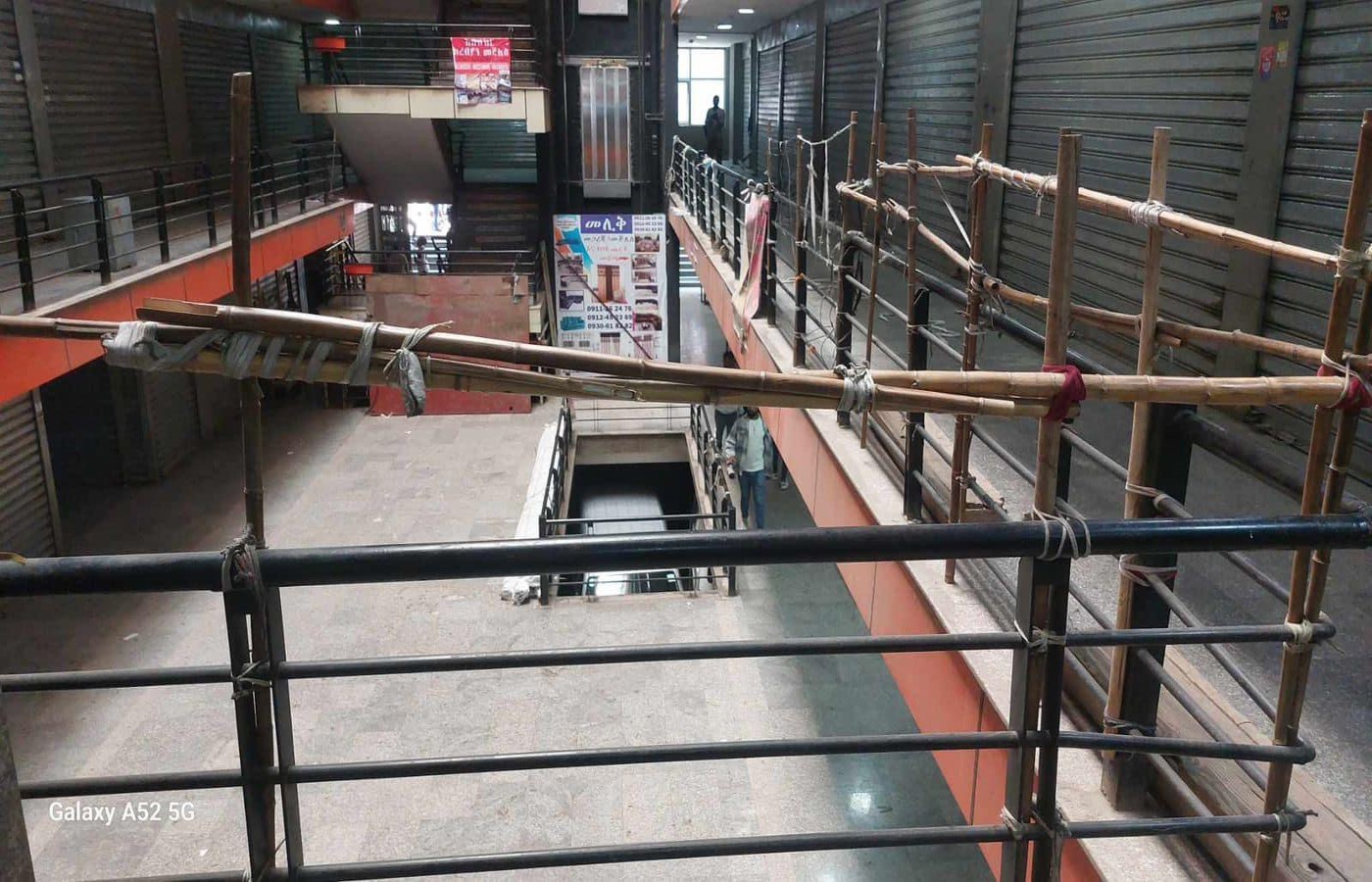
The bustling Mercato marketplace has been thrown into disarray as traders in the country's capital city of Addis Ababa refuse en masse to comply with the government's new mandatory receipt-based transaction system.
The dispute centers around traders' challenges in issuing receipts to customers. According to Solomon Siraga, a representative of the Mercato traders, the problem stems from suppliers providing under-invoiced receipts, which would force traders to pay higher taxes than their actual profits.
"We receive items with under-invoicing. If we provide a receipt to consumers, it means we will have to pay VAT on the difference and profit tax on profits we did not actually make," Siraga explained.
Another trader, Tadesse Addisu, pointed to systemic issues, noting, "We may receive receipts from suppliers, but they often issue under-invoiced receipts because the system doesn't allow them to do otherwise." He highlighted the difficulties caused by the scarcity of foreign exchange and bureaucratic hurdles, which compel suppliers to acquire forex from the parallel market, leading to inflated costs that remain outside government oversight.
Last week, Adanech Abiebie, the city's mayor, addressed recent tensions with traders in Mercato, emphasizing that illegal activities will not be tolerated. She stated, "Mercato is the largest trading center not only for Addis Ababa but for all of Ethiopia, so what happens there impacts the entire country. This makes it essential to ensure that trade activities are conducted legally."
Addis Ababa's Revenue Bureau chief, Biniam Mikiru, acknowledged the traders' concerns, citing two primary issues: the large stock of goods purchased without receipts in traders' warehouses, and the practice of under-invoicing by importers.
"First, many traders have a large stock of goods purchased without receipts in their warehouses. Second, importers are under-invoicing, which they claim inflates their income," Biniam said.
To address the unsold stock problem, the city administration has “offered traders the option to register their inventory and operate legally by issuing receipts afterward.” However, the under-invoicing issue remains a systemic challenge, with Biniam placing the responsibility on manufacturers and importers to provide accurate invoices.
Biniam pointed to recent macroeconomic reforms, such as the floating of the Ethiopian birr, as a potential solution. Officials attribute that the currency float has reduced the gap between the official and parallel exchange markets, enabling banks to approve more Letters of Credit (LCs) and weakening the informal exchange market that previously served as a major source of foreign exchange for traders.
"The system has already addressed these concerns," Biniam stated, referring to the currency float and the improved access to foreign exchange.




