

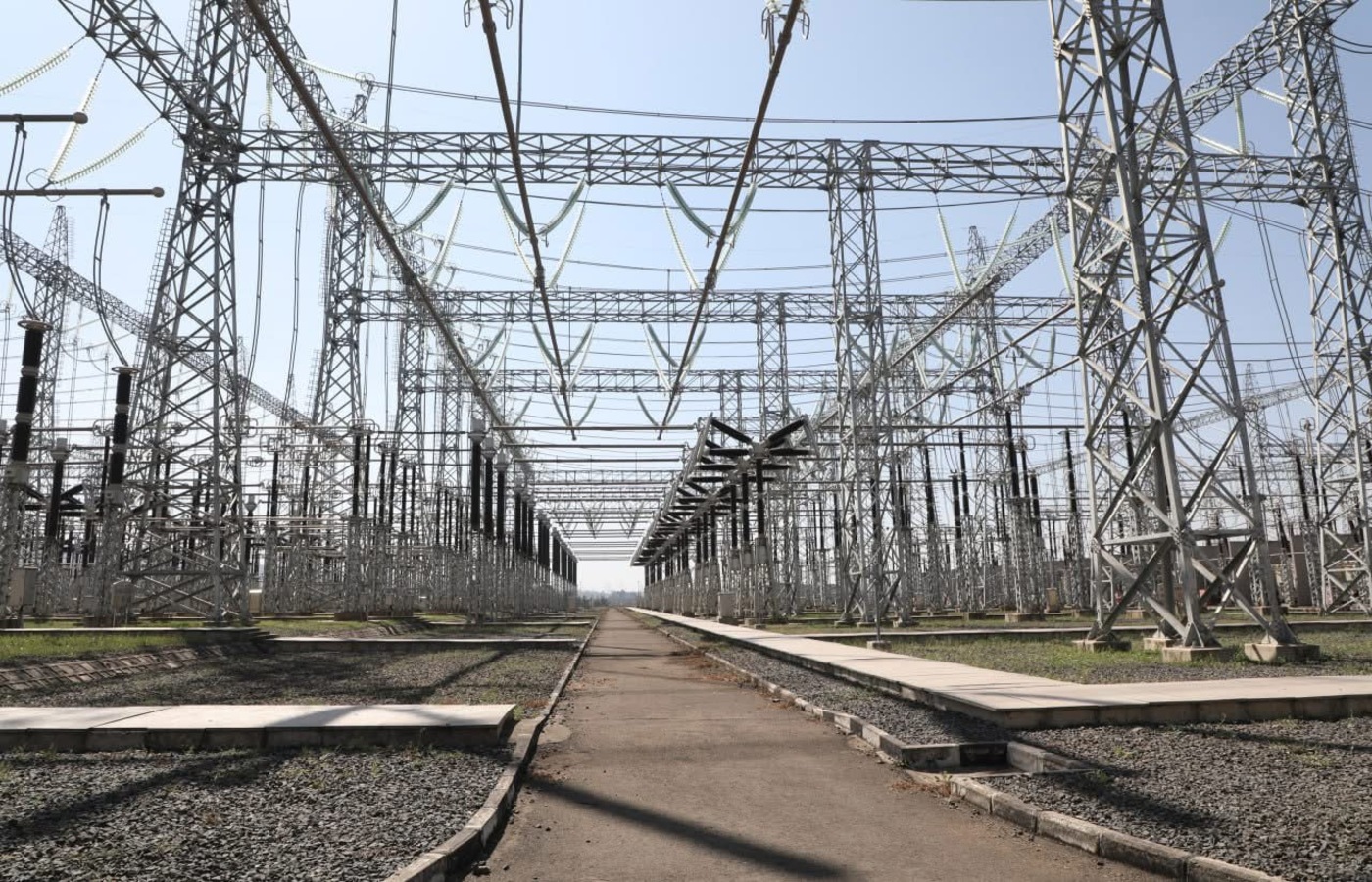
- Current output represents 29% of GERD's planned capacity
- Power distribution network spans multiple voltage levels from 500kV to 15kV
- Industrial users, including Habesha Cement, now receiving dedicated power supply
Ethiopia's flagship hydroelectric project is now feeding 1,500 megawatts into the national grid, marking a major milestone in the country's ambitious energy expansion program.
The Grand Ethiopian Renaissance Dam (GERD), which is expected to be Africa's largest hydroelectric facility, has successfully commissioned four turbines so far. The power is being channeled through the newly operational Holeta substation, located west of Addis Ababa.
"We're operating at nearly 30% of the dam's total capacity," said an official of EEP. The substation is equipped to handle the dam's full 5,150 megawatt output once all turbines are operational.
The five billion US dollars project, self-funded by Ethiopia, has been a source of regional tension since construction began in 2011. The additional power supply comes as Ethiopia seeks to establish itself as a major electricity exporter in East Africa.
The Holeta substation, featuring seven 750-megavolt transformers, distributes power through a complex network of high-voltage lines, including a 400-kilovolt transmission system serving key industrial zones around the capital.
Ethiopia's push to expand its power generation capacity comes as neighboring countries express interest in potential electricity imports, despite stalled diplomatic discussions about the dam's operation.




