

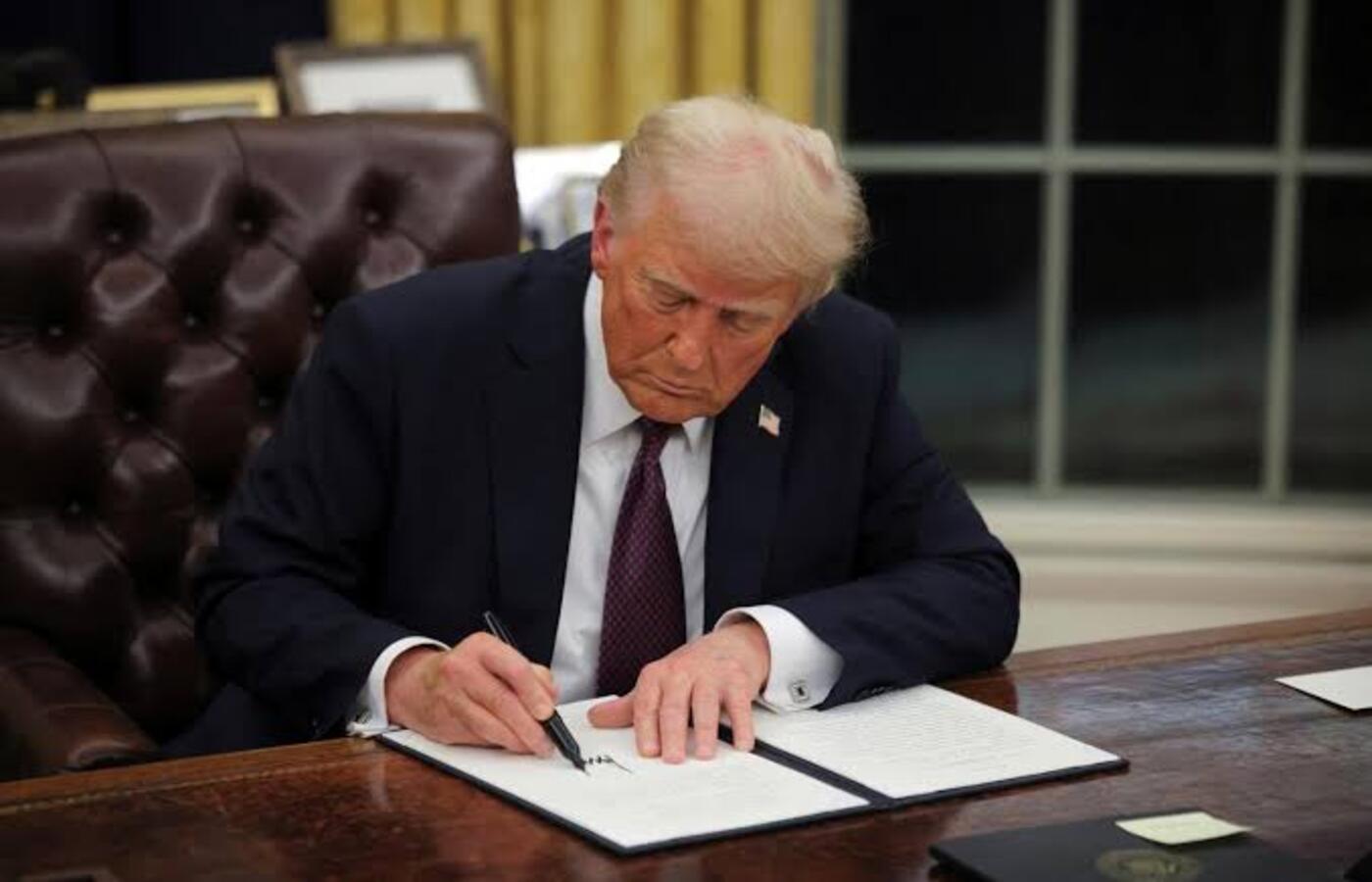
Ethiopia’s fight against HIV/AIDS faces a critical setback following U.S. President Donald Trump’s executive order freezing foreign aid for 90 days.
The decision, part of a broader review of U.S. aid programs, halts funding for the President’s Emergency Plan for AIDS Relief (PEPFAR), a program credited with saving millions of lives globally since its inception under the George W. Bush administration.
PEPFAR, administered by the State Department, provides billions in funding to combat HIV in 55 countries and currently supports antiretroviral therapy (ART) for over 20 million people worldwide, according to the House Foreign Affairs Committee.
In Ethiopia alone, PEPFAR funds the treatment of more than 1.1 million people living with HIV, along with vital programs like testing, counseling, healthcare worker training, and support for vulnerable populations.
The aid suspension, described as a “complete halt” in a U.S. Agency for International Development (USAID) memo seen by BirrMetrics, has raised alarm among healthcare professionals.
“This could open up a huge gap in the care we provide to HIV, TB, and malaria patients,” said Dr. Nuredin Luke, a public health expert in Addis Ababa.
The freeze also jeopardizes Ethiopia’s ability to combat tuberculosis and malaria, diseases that rely heavily on U.S.-backed donor programs, according to the study expert.
Combined with reduced government health spending, soaring inflation, and ongoing humanitarian crises, experts fear the disruption could lead to treatment interruptions, increased disease transmission, and higher mortality rates.
President Trump defended the freeze, stating Saturday that he wants other countries to share the burden of global aid spending. “We’re like a one-way street. We are spending billions and billions of dollars, and other countries that are wealthy are spending zero,” he told reporters aboard Air Force One.
Ethiopia’s Ministry of Health is being urged to act swiftly to mitigate the looming crisis. Experts have called on the ministry to explore alternative funding sources, engage with philanthropists like the Gates Foundation and the Buffett Foundation, and scale up collaboration with capable local pharmaceutical companies to initiate domestic production of essential drugs.
“To ensure a consistent supply of medications and to sustain their availability, the Ministry must lead efforts to develop local capacity while also demanding political leaders prioritize this likely health crisis,” said Dr. Nuredin.




