

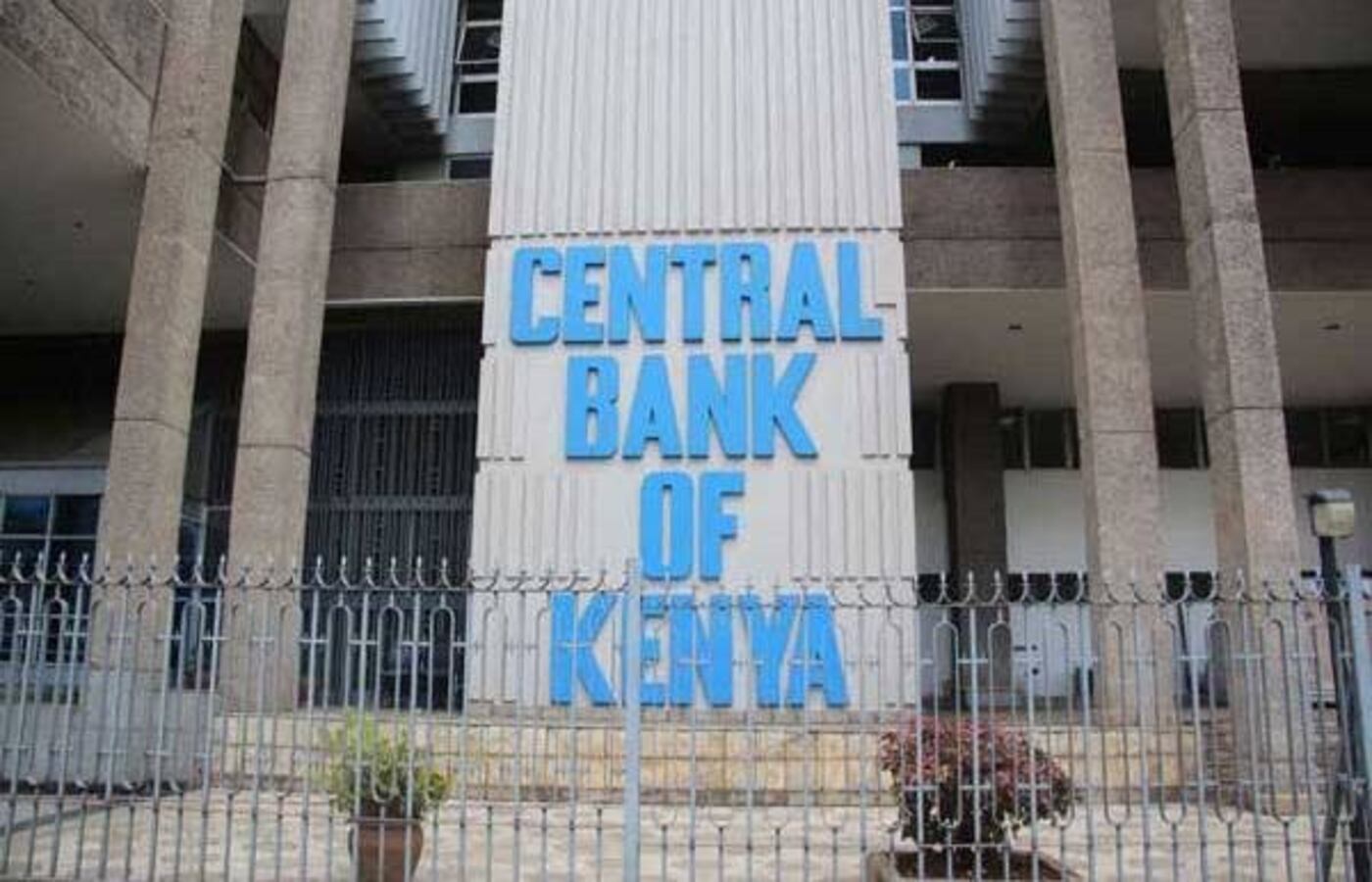
Kenya’s central bank will end a nearly 10-year freeze on new commercial bank licenses starting July 1, 2025, opening its financial sector to fresh competition, officials announced Friday.
The move follows a similar landmark decision by neighboring Ethiopia, which recently enacted a law allowing foreign banks to operate for the first time in over a century, signaling a broader regional shift toward financial liberalization.
Kenya’s moratorium, imposed in November 2015, aimed to address governance failures and instability after a string of bank collapses.
The Central Bank of Kenya said reforms, including industry consolidation through mergers and stricter regulations, have restored stability, paving the way for new entrants.
The decision comes as Ethiopia’s new legislation opens its long-protected banking sector to foreign players, creating opportunities for cross-border expansion in East Africa.
Kenya, with 39 banks led by giants like KCB Group and Equity Bank, is the region’s largest economy and a key financial hub. The license thaw is expected to attract regional and international banks, though they will face intense competition and rigorous oversight.
Kenya’s central bank aims to deepen financial access and support economic priorities, including funding for infrastructure and agriculture. However, new entrants must navigate high capital thresholds and a crowded market.
The Business Laws (Amendment) Act, adopted in December 2024, incrementally raises the minimum core capital requirement for banks from KES1 billion (7.75 million US dollars) to KES3 billion (23.25 million US dollars) by the end of 2025, reaching KES10 billion (77 million US dollars) by the end of 2029. This phased approach aims to ensure new banks are financially robust.




