

The U.N. World Food Programme will suspend aid for 650,000 malnourished Ethiopian women and children by month’s end, reeling from funding shortages worsened by the abrupt closure of USAID operations, the agency announced Tuesday.
“We’re at the breaking point,” said Zlatan Milisic, WFP’s Ethiopia director.
The USAID freeze, triggered by a Trump administration executive order citing mismanagement and fraud, has slashed critical support, leaving 3.6 million vulnerable Ethiopians at risk of losing food and nutrition aid.
Ethiopia, long a top recipient of U.S. aid in sub-Saharan Africa, relied on USAID for 1.6 billion US dollars in 2023, funding food, health, and refugee programs.
The agency’s support was vital for over 20 million people facing food insecurity, with programs like PEPFAR reducing HIV deaths by 50 percent and malaria initiatives cutting child mortality. USAID’s 451 million US dollars water and sanitation projects also bolstered public health.
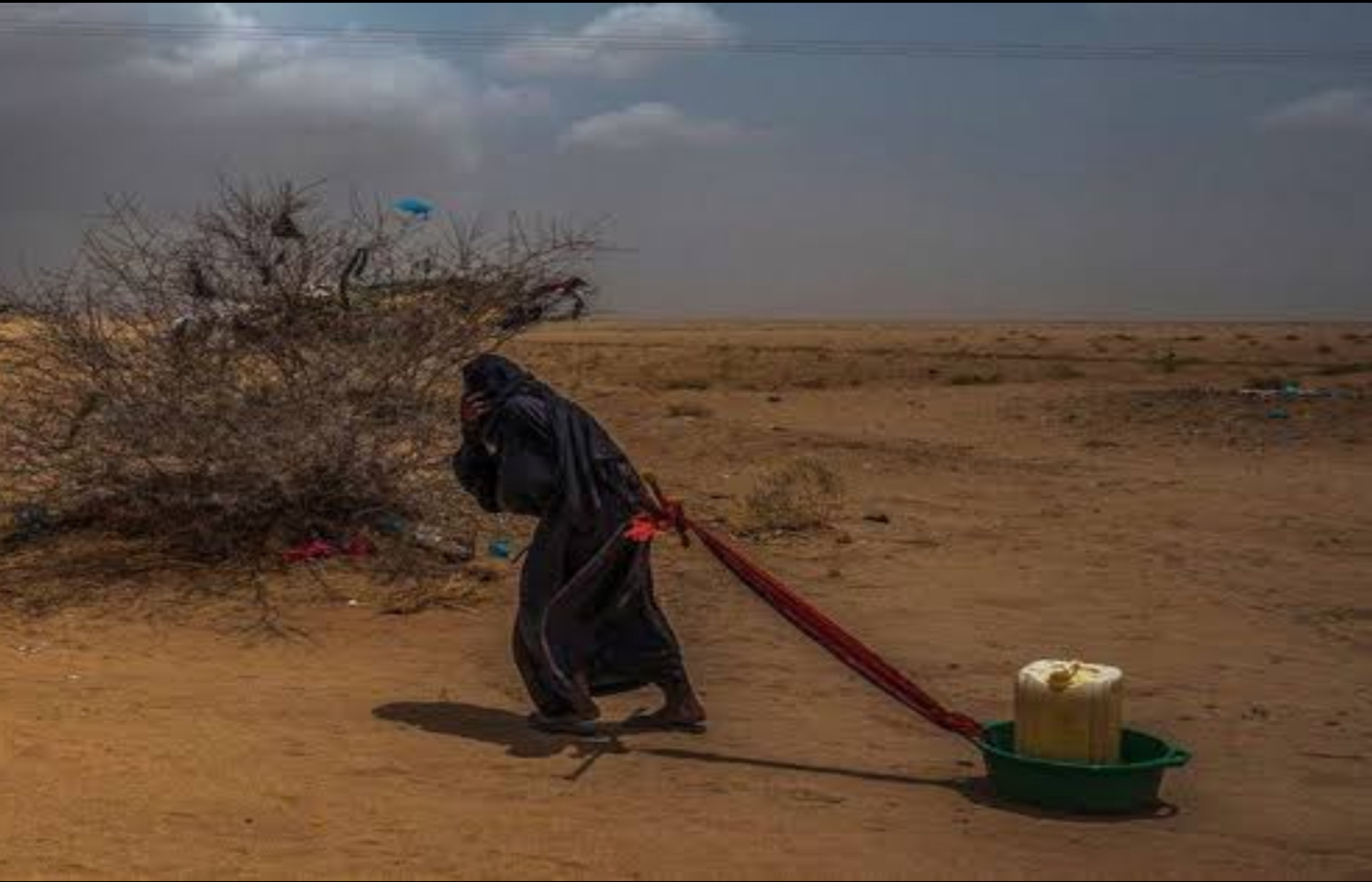
Over 10 million Ethiopians face acute hunger, including three million displaced by conflict and drought. Malnutrition afflicts four million pregnant women, breastfeeding mothers, and children, with child wasting exceeding emergency levels in Somali, Oromia, Afar, and Tigray. Ongoing violence in Amhara disrupts aid for 500,000, with theft and attacks endangering workers.
WFP, which aided 3 million this year, has cut rations—refugees receive 60 percent of normal food, displaced Ethiopians 80 percent. Despite feeding 470,000 schoolchildren monthly, the agency needs 222 million US dollars by September to reach 7.2 million people. “We have the teams,” Milisic said. “We lack the funds.”




